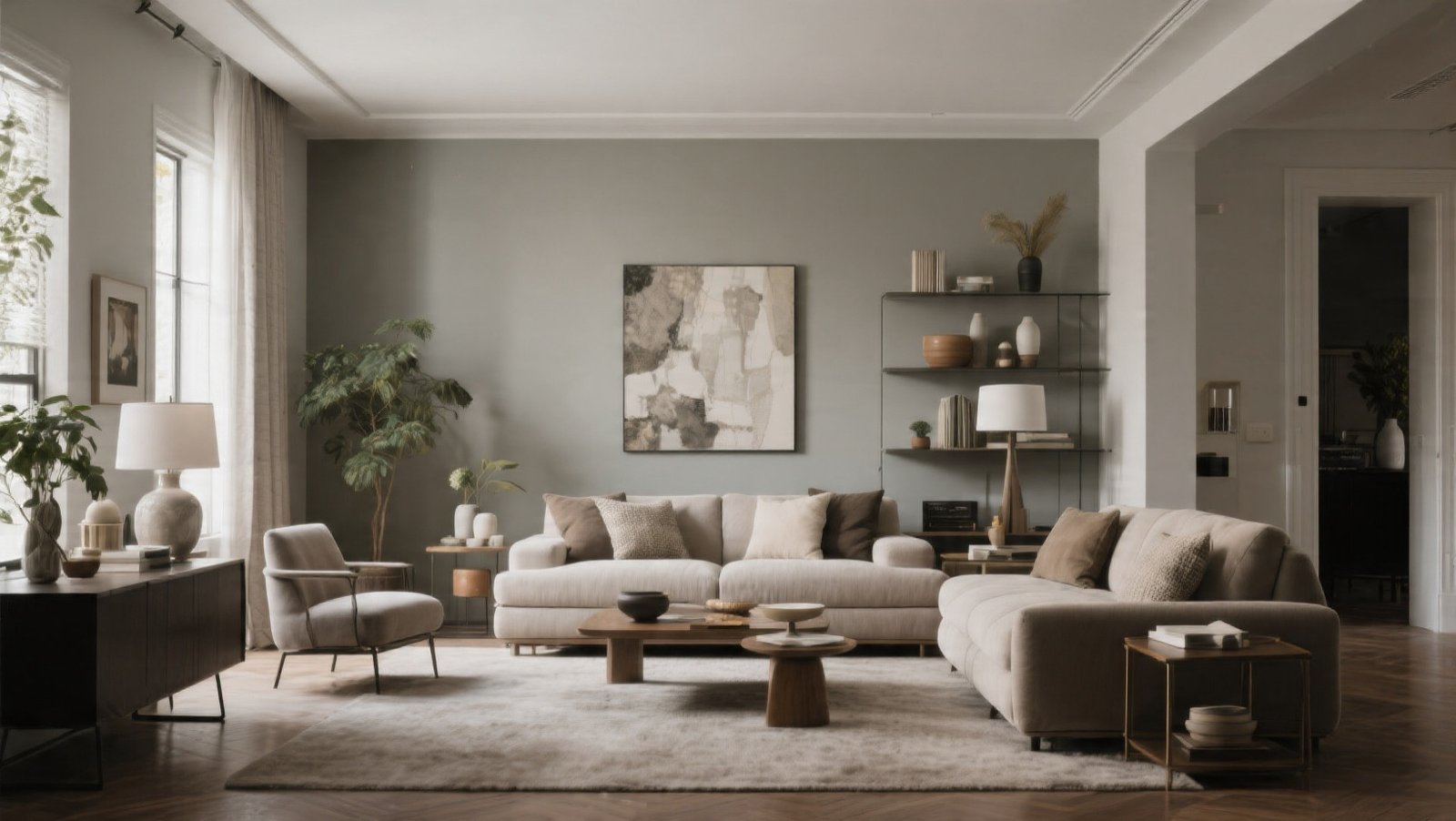
We’ve all walked into a room that just feels right . Every piece seems to belong, creating a sense of calm and cohesion.
Then there are other spaces, perhaps even our own, that despite having beautiful furniture and accessories, feel disjointed, like a collection of items rather than a curated home.
The difference lies in intentional design. It’s not about spending more, but about thinking critically about each piece and its relationship to the whole.
When every item of room decor serves a purpose or contributes to a larger visual story, your home transforms from a mere collection of items into a truly cohesive and inviting sanctuary. Here are 19 practical ways to make your spaces feel truly intentional.
Anchor Your Space with Large-Scale Art
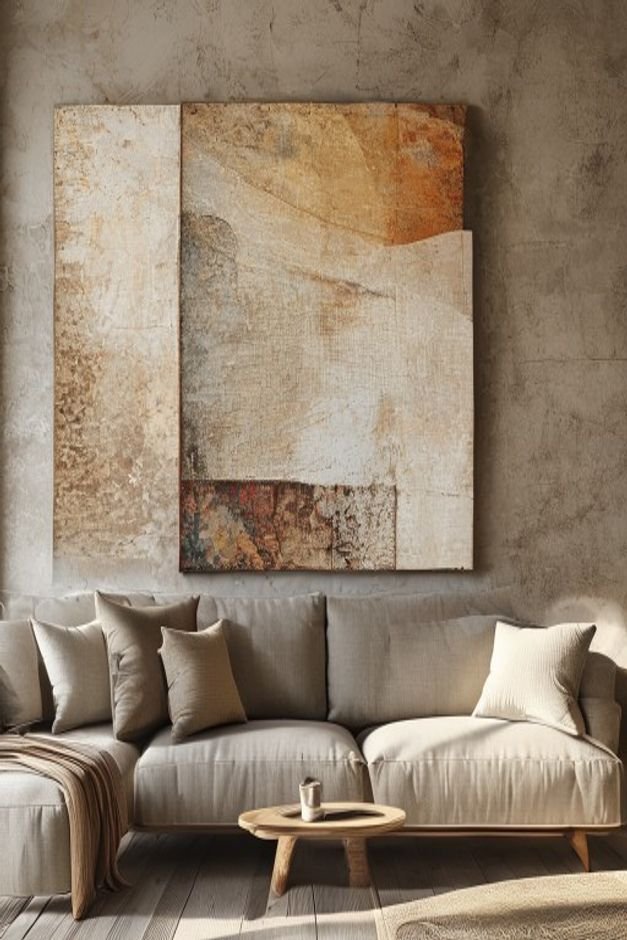
One of the most powerful ways to define a room is through the strategic placement of significant art. A single, commanding piece can set the tone for an entire wall, drawing the eye and grounding the space.
- Choose one monumental piece. Instead of many small pieces, consider investing in one large painting, photograph, or textile art that speaks to you. This creates an immediate focal point and lends a sense of grandeur and permanence to the wall.
- Consider its relationship to furniture. When hanging large art, ensure it’s proportional to the furniture below it. A good rule of thumb is that the art should be roughly two-thirds the width of the sofa or console table it’s placed above.
Master the Art of Gallery Walls
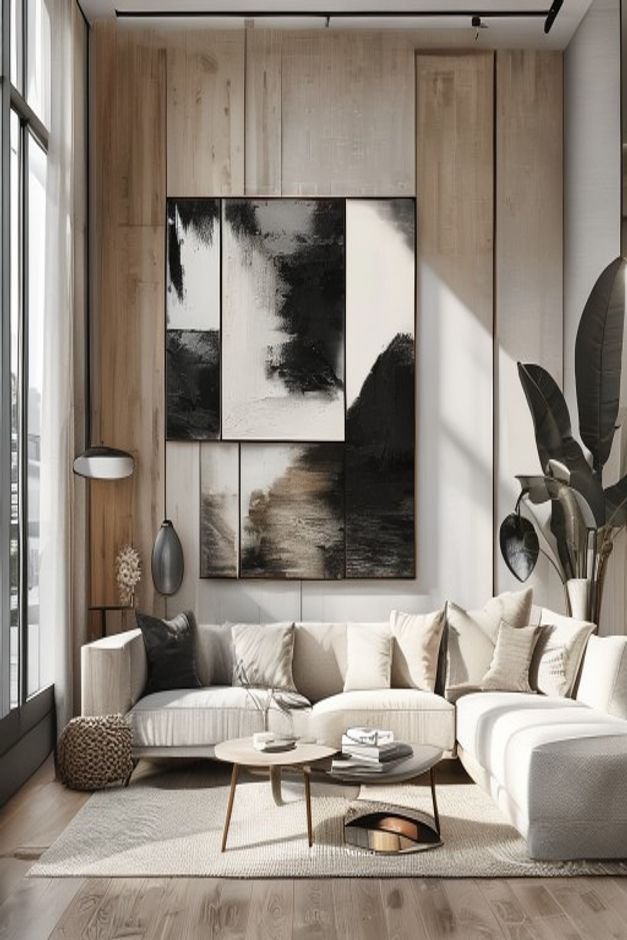
Gallery walls, when done well, tell a story and add immense personality. When executed without thought, they can quickly devolve into visual clutter. Intentional planning is key.
- Plan your layout on the floor first. Before hammering a single nail, arrange your framed pieces on the floor to visualize the composition. Experiment with different groupings until you achieve a balanced and appealing spread.
- Mix frame styles for depth. Don’t feel confined to identical frames. A mix of metallic, wood, and painted frames in various thicknesses adds depth and character, preventing the wall from looking flat and adding a personal, artful touch.
- Use consistent spacing. While the frames themselves can vary, maintaining a consistent space (typically 2-4 inches) between each piece in your gallery wall creates a sense of order and professionalism, even with an eclectic collection.
Utilize Mirrors for Depth and Light
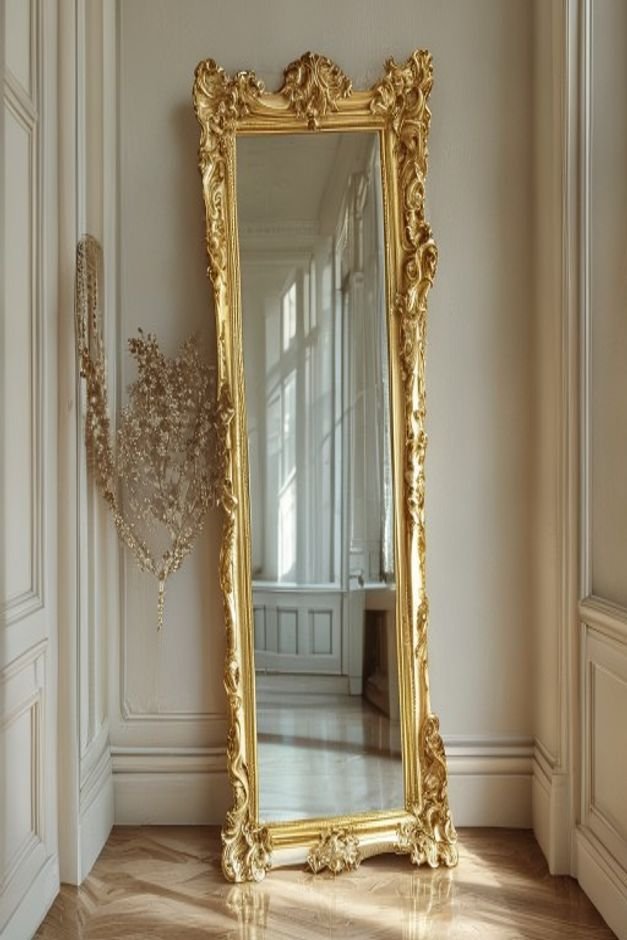
Mirrors are more than just reflective surfaces; they are tools for manipulating light and space. Thoughtful placement can dramatically alter a room’s feel, making it brighter and seemingly larger.
- Reflect a view or light source. Position a mirror opposite a window or a beautiful architectural feature to bounce light and expand the perceived boundaries of the room. This trick is especially effective in smaller or darker spaces.
- Size appropriately for the wall. A mirror that is too small can look lost on a large wall. Choose a mirror that commands attention and is proportional to the wall space, much like a piece of art.
- Lean for a casual yet chic look. Instead of hanging, consider leaning a large mirror against a wall. This adds an effortless, lived-in feel and can be particularly effective in bedrooms or dressing areas, creating an inviting visual and a sense of understated elegance.
Curate Thoughtful Shelving Displays
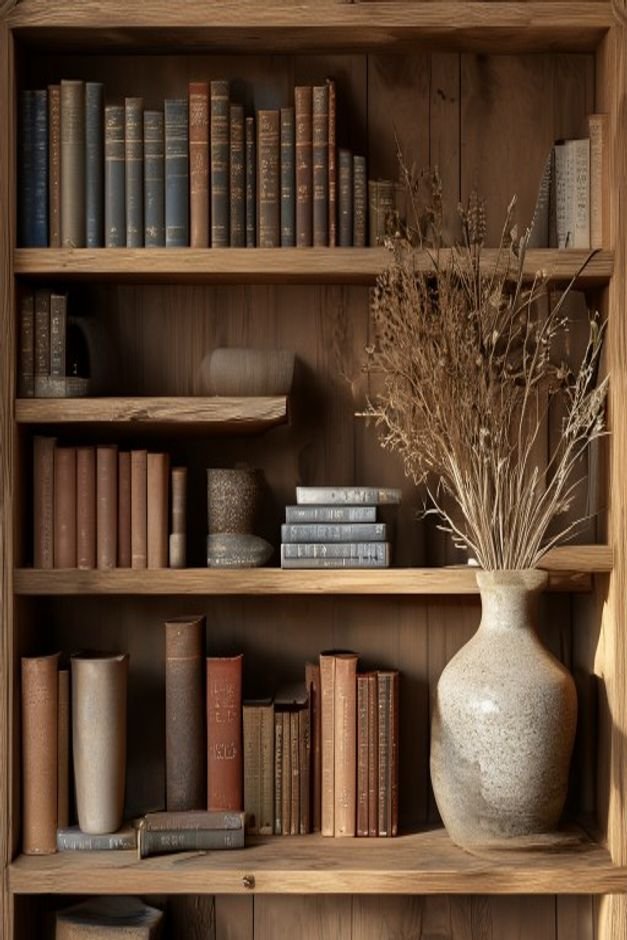
Open shelving and bookcases offer prime opportunities for intentional styling. Avoid simply filling shelves; instead, see them as miniature stages for curated displays.
- Vary heights and textures. When arranging objects, create visual interest by grouping items of different heights and materials. Combine smooth ceramics with rough-hewn wood, or tall vases with horizontal stacks of books.
- Incorporate personal objects. Let your personality shine through. Display cherished mementos, small sculptures, or unique finds from your travels. These personal touches make a space feel truly yours and spark conversation, inviting guests to explore your interests.
- Leave negative space. Resist the urge to fill every inch. Strategic empty space allows the eye to rest and highlights the objects you’ve chosen to display, making each piece feel more significant.
Embrace Symmetry and Asymmetry with Purpose
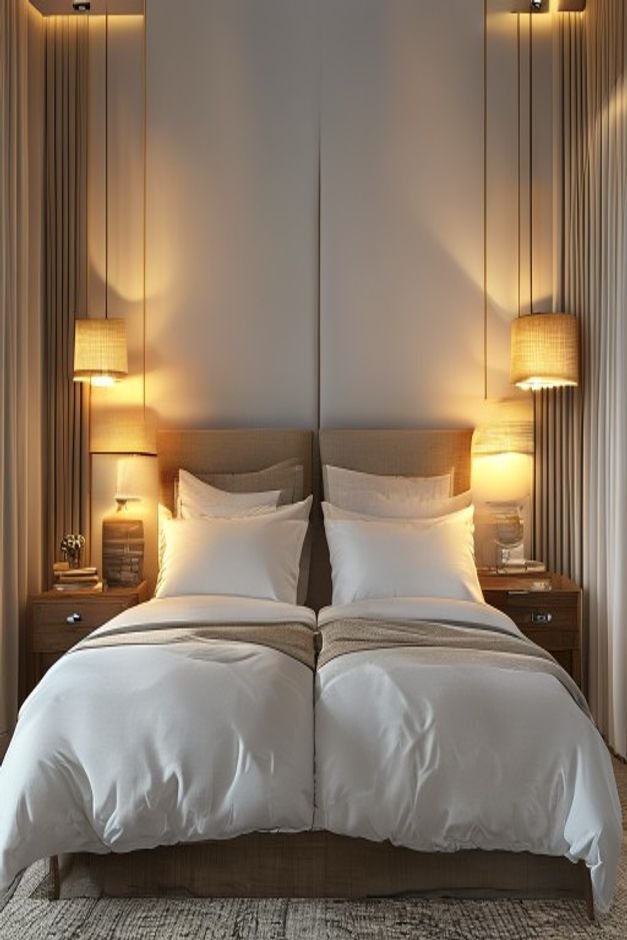
Balance is a fundamental principle of design, and you can achieve it through both formal symmetry and dynamic asymmetry. Understanding how to employ each brings intention to your arrangements.
- Use pairs for traditional balance. Symmetrical arrangements, like two matching lamps on a console table or a pair of identical armchairs, create a sense of calm, order, and formality.
- Create visual weight with asymmetric grouping. Asymmetry can feel more dynamic. Balance a large item on one side with several smaller items on the other. The key is that the perceived visual weight on both sides remains equal.
- Balance large pieces with smaller ones. In any arrangement, ensure that larger, more dominant elements are balanced by smaller, complementary pieces. This prevents any one item from overwhelming the composition and creates a harmonious whole that feels balanced and deliberate.
Choose Textiles with Texture and Intent
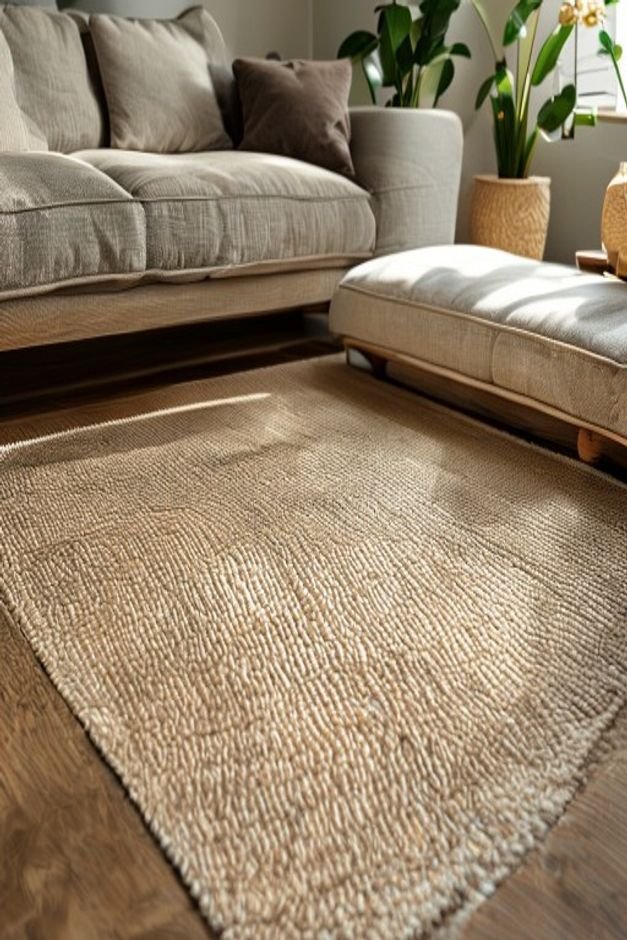
Textiles are often overlooked as mere functional items, but they are powerful tools for adding warmth, color, and tactile appeal. Intentional choices in rugs, throws, and pillows can significantly impact a room’s comfort and style.
- Layer rugs for warmth and definition. In larger spaces, layering a smaller, patterned rug over a larger, neutral one can define zones, add visual interest, and introduce rich texture. This technique also adds a luxurious, inviting feel, making the room instantly more comfortable.
- Select throws and pillows that complement the palette. Think beyond just matching. Choose textiles that introduce complementary colors or contrasting textures to your existing furniture. A chunky knit throw or a velvet pillow can instantly elevate a plain sofa.
Incorporate Greenery and Natural Elements
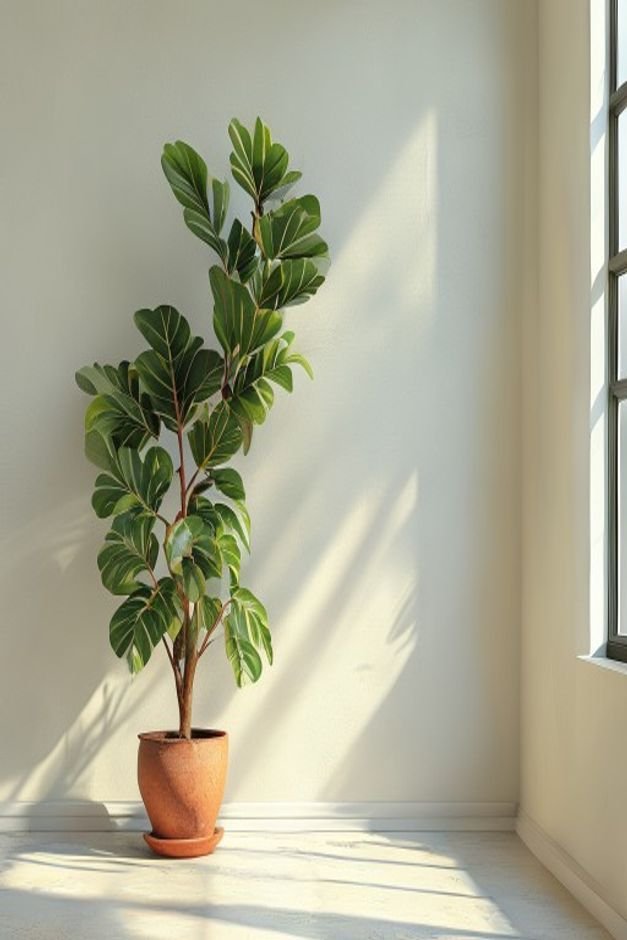
Bringing the outside in instantly adds life, freshness, and a sense of calm to any space. Natural elements soften hard lines and introduce organic shapes.
- Add plants for life and organic form. Whether it’s a towering fiddle-leaf fig or a delicate trailing Pothos, plants bring a vibrant, living quality. Choose pots that complement your decor, treating them as integral pieces of your arrangement that enhance the room’s aesthetic.
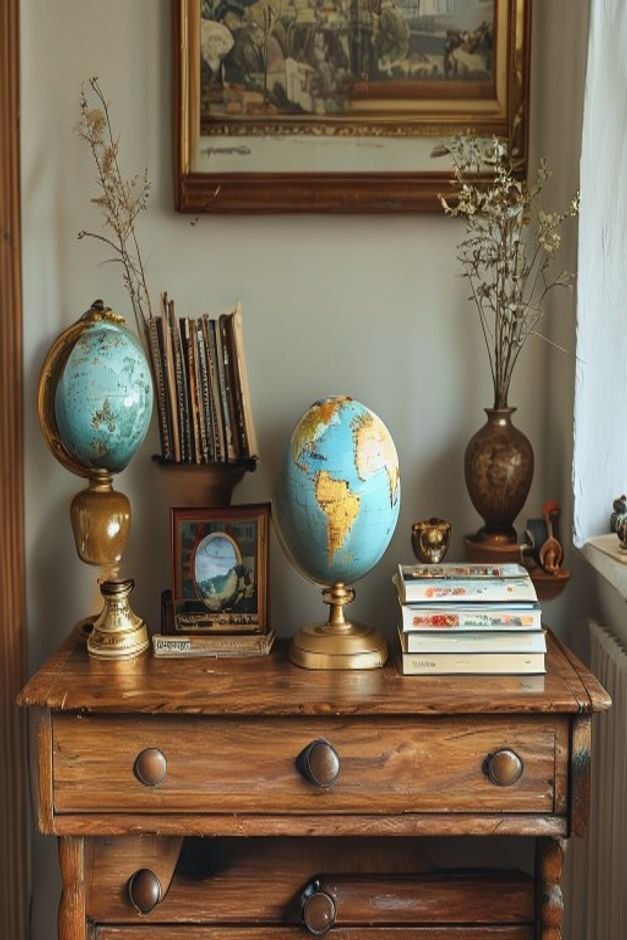
Group Objects with a Clear Narrative
A collection of objects becomes truly intentional when it tells a story or evokes a feeling. Think about the connection between items in your groupings.
- Create vignettes with a story. On a coffee table, console, or dresser, arrange a small collection of items that share a theme, color, or origin. A few travel souvenirs, a vintage book, and a small, sculptural object can create a mini-narrative that invites closer inspection and reveals layers of your personality.
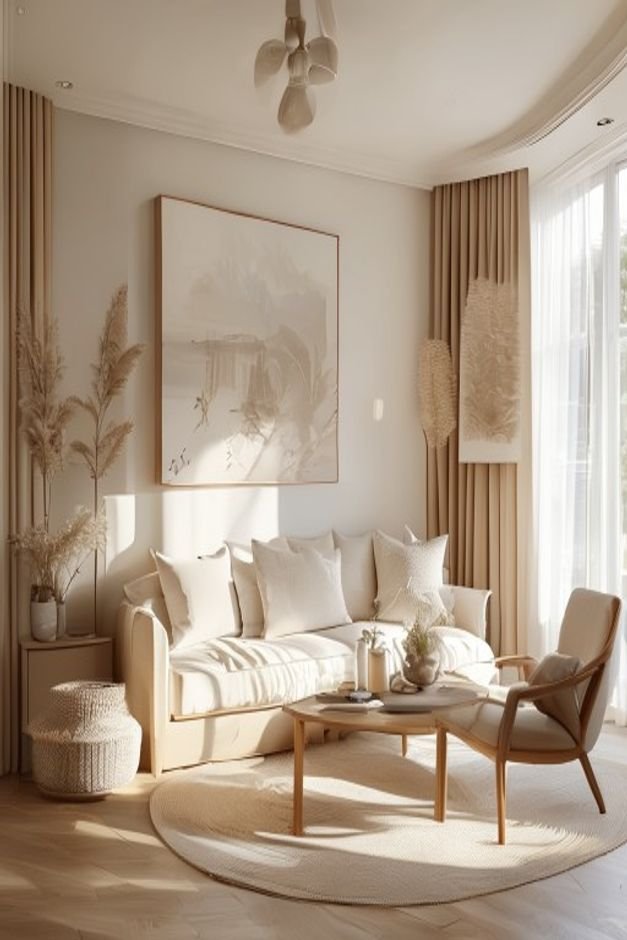
Refine Your Room Decor Gradually
The most intentional spaces aren’t created overnight. They evolve, are lived in, and are thoughtfully edited over time. This ongoing process is crucial for achieving a truly personal and polished look.
- Live with it, then edit. Once you’ve arranged your room decor, take time to simply exist in the space. Notice what feels right, what feels off, and what you genuinely use and love. Then, don’t be afraid to remove items that don’t contribute to the overall feeling you want to create; sometimes, a single empty space can be more impactful than a crowded one. Less can often be more, allowing your chosen pieces to truly shine and your home to feel truly lived-in and loved.
