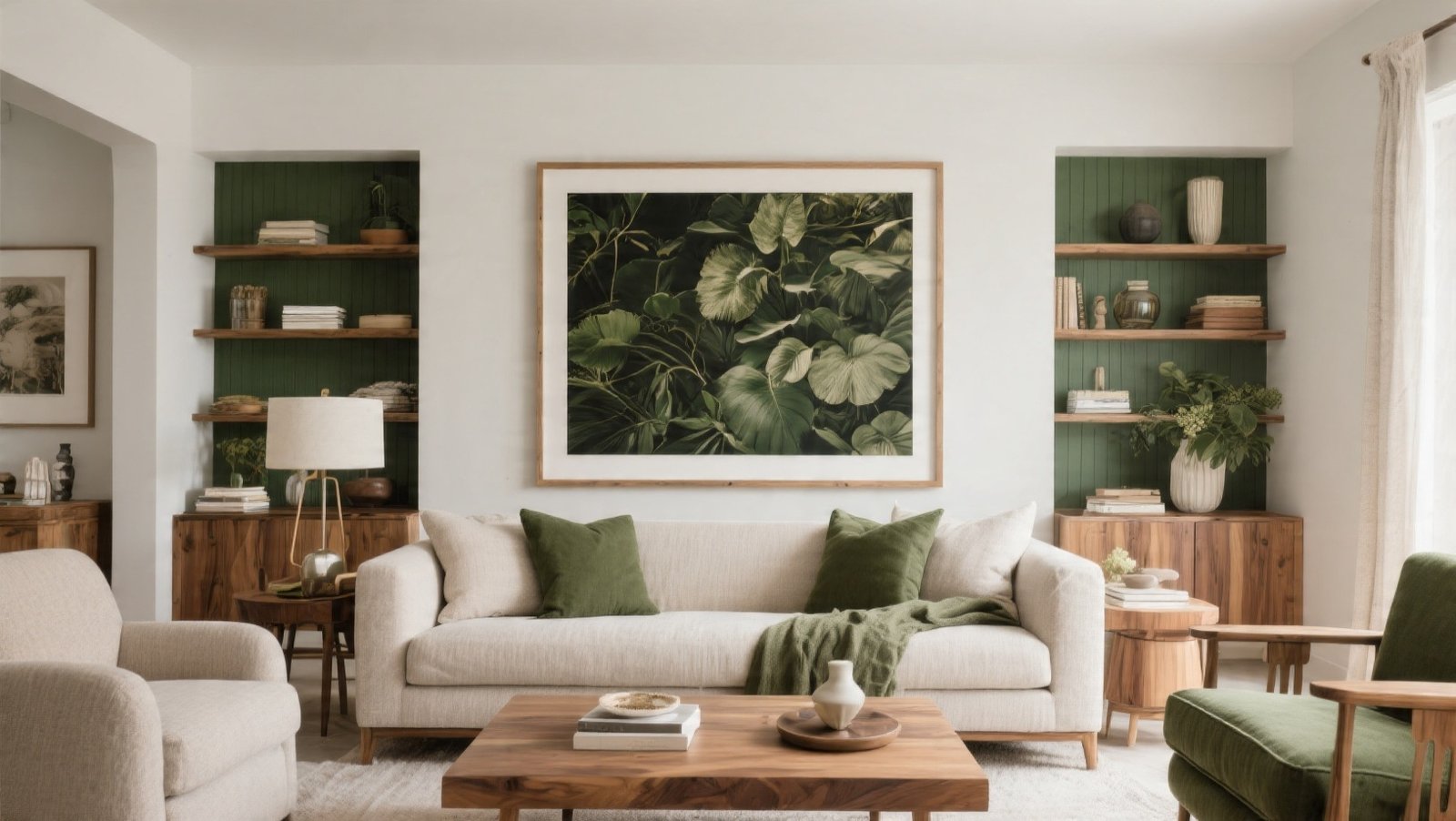
Have you ever walked into a room and felt like something was just… missing? Perhaps it’s a space where you’ve placed all the right furniture, yet it still lacks that intangible sense of polish or personality.
The walls are often the culprit, left bare or decorated without intention, failing to contribute to the overall mood and aesthetic. Achieving a truly finished look comes down to thoughtful room decor, particularly how you approach your vertical surfaces.
The secret lies in understanding scale, symmetry, and the subtle power of art and mirrors. These elements, when used strategically, can transform a bland space into one that feels curated, inviting, and uniquely yours.
This guide offers ten save-worthy ideas to help you master the art of room decor, ensuring every wall contributes to a cohesive and beautiful home.
Anchor Your Space with Oversized Art
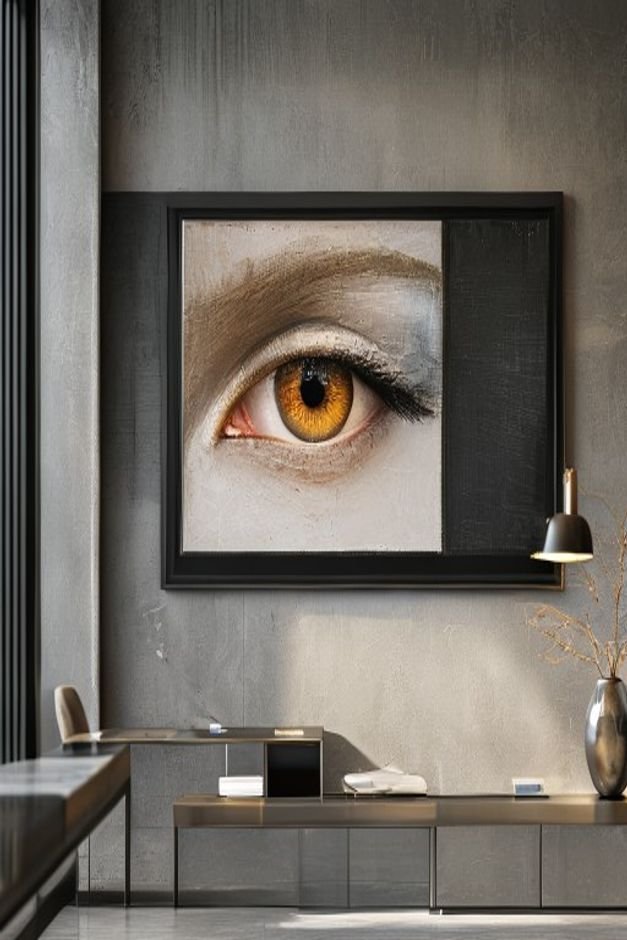
One of the most impactful ways to define a room is with a single, large-scale piece of art. Instead of a collection of smaller items that can sometimes feel cluttered, a substantial artwork commands attention and provides an immediate focal point.
Consider a painting or print that spans at least two-thirds the width of the furniture below it, such as a sofa or credenza. This proportion creates a visual anchor, grounding the room and giving the eye a place to rest.
The art doesn’t need to be expensive; what matters most is its size and how its colors or textures complement your existing palette.
When selecting, think about the overall mood you want to evoke. A vibrant abstract piece can inject energy, while a serene landscape can bring a sense of calm.
The scale alone often provides enough drama, allowing the rest of your decor to fall into place around it.
Master the Art of the Gallery Wall
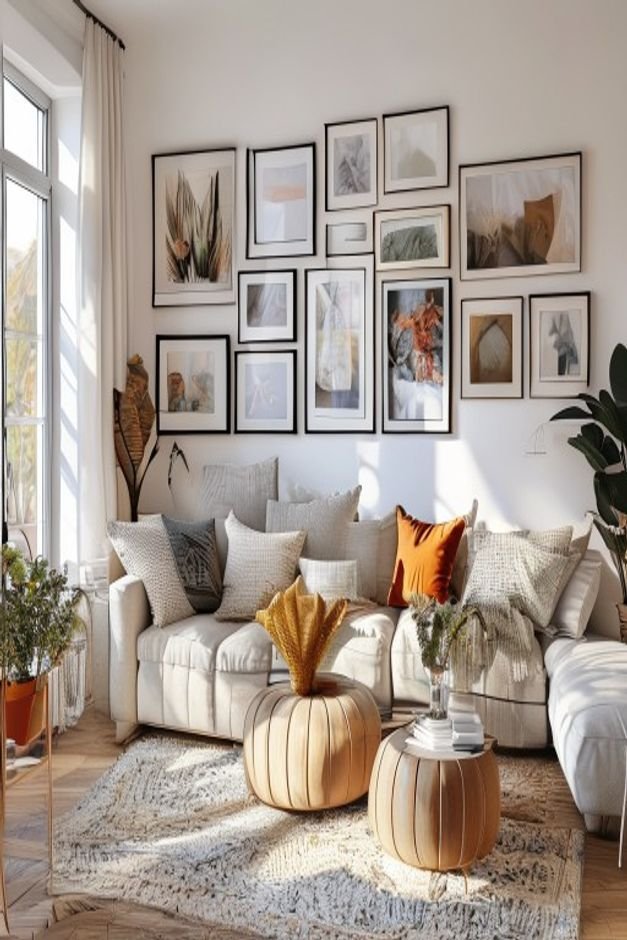
A well-executed gallery wall is more than just a collection of frames; it’s a curated story that adds depth and personality to any space. The key to success lies in careful planning and a balanced composition.
Begin by laying out your frames on the floor to experiment with different arrangements. Mix various sizes, orientations (portrait and landscape), and even frame styles for an organic, collected feel. Maintain consistent spacing between frames, usually two to three inches, to create a cohesive look.
Vary the content within your frames. Combine personal photographs with abstract prints, botanical illustrations, or even small mirrors. This mix of visual interest prevents the wall from feeling flat.
A gallery wall works beautifully in hallways, above a console table, or as a striking feature in a living room, drawing the eye and inviting closer inspection.
Strategic Mirror Placement for Light and Space
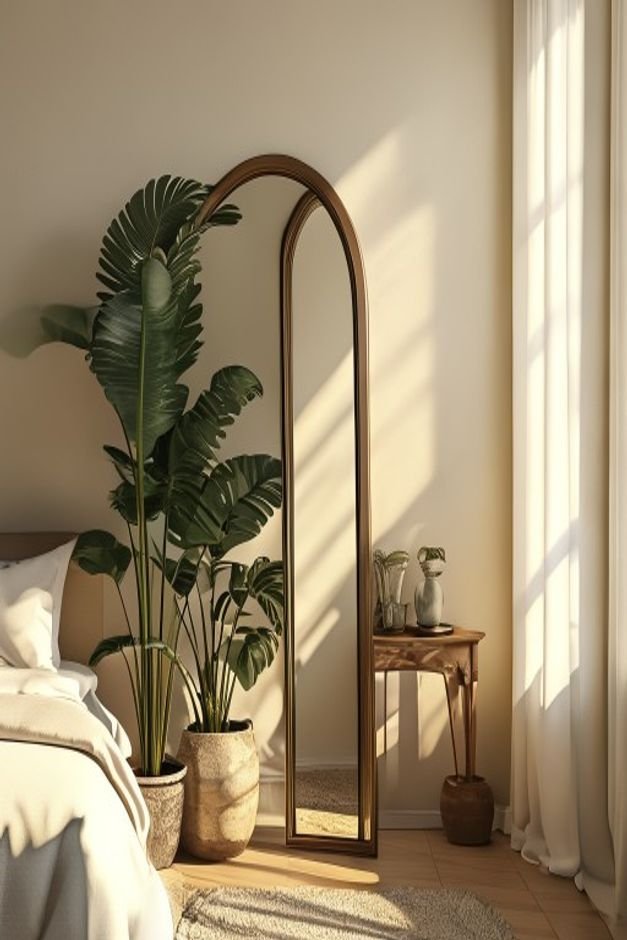
Mirrors are not just for checking your reflection; they are powerful tools in room decor, capable of amplifying light and expanding the percepti
on of space. Placing a mirror opposite a window, for instance, bounces natural light deeper into the room, making it feel brighter and more open.
Consider the size and shape of the mirror in relation to its surroundings. A large, floor-length mirror leaning against a wall can add a touch of casual elegance and make a small room feel significantly larger.
In a dining area, a substantial mirror can reflect the table and its decor, doubling the visual feast.
Think about the mirror’s frame as well. A decorative, ornate frame can act as a piece of art itself, while a minimalist frame can blend seamlessly into a contemporary setting.
Always ensure the mirror reflects something appealing, whether it’s a beautiful view, a piece of art, or a well-styled vignette.
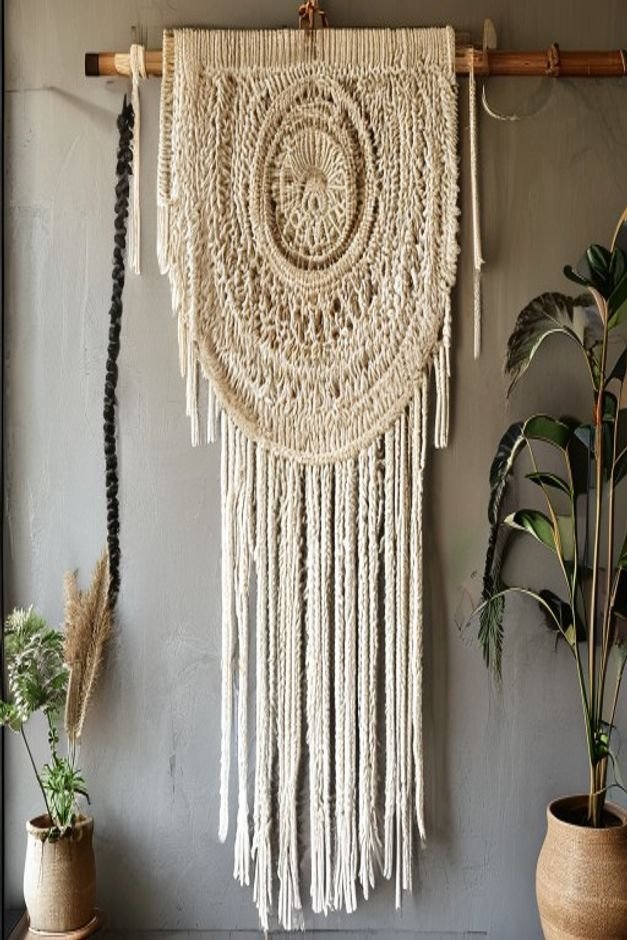
Incorporate Textural Wall Hangings
Beyond traditional framed art, wall hangings made from natural fibers introduce tactile richness and warmth that paintings alone often cannot provide. Materials like macrame, woven tapestries, or even large-scale fabric art add a soft, inviting layer to a room.
These pieces are particularly effective in bedrooms or living areas where comfort is paramount. The texture absorbs sound, contributing to a quieter, more peaceful atmosphere.
Choose a piece with a design that complements your existing decor, whether it’s a geometric pattern, an abstract form, or a natural motif.
A large woven piece can soften a stark wall, providing visual interest without overwhelming the space with color or intricate details. They offer a refreshing alternative to typical wall art, bringing an artisanal and grounded feel to your home.
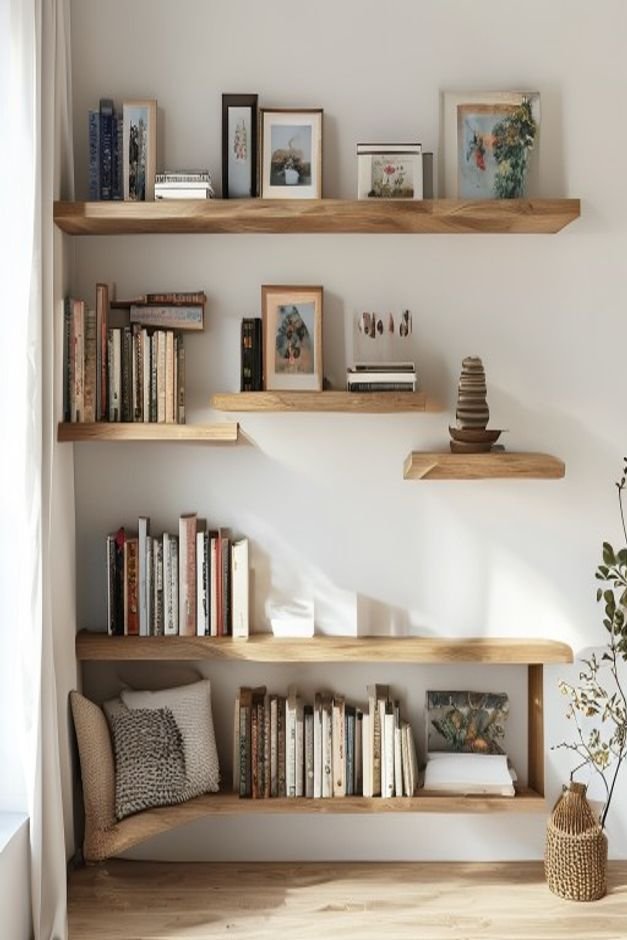
Curate Open Shelving Vignettes
Open shelving provides both storage and a fantastic opportunity for curated room decor. Instead of merely stacking books, treat each shelf as a mini-stage for a thoughtfully arranged vignette. The goal is balance and visual appeal, not just utility.
Start by incorporating a mix of items: books, small plants, ceramic vessels, framed photos, and unique decorative objects. Vary the heights and textures of your pieces to create dynamic interest. Stack some books horizontally and others vertically to break up lines.
Leave some negative space on each shelf to prevent a cluttered appearance. Think in odd numbers when grouping items, as this often feels more natural and aesthetically pleasing.
Open shelves allow you to display your personality and interests, making a room feel more lived-in and authentic.
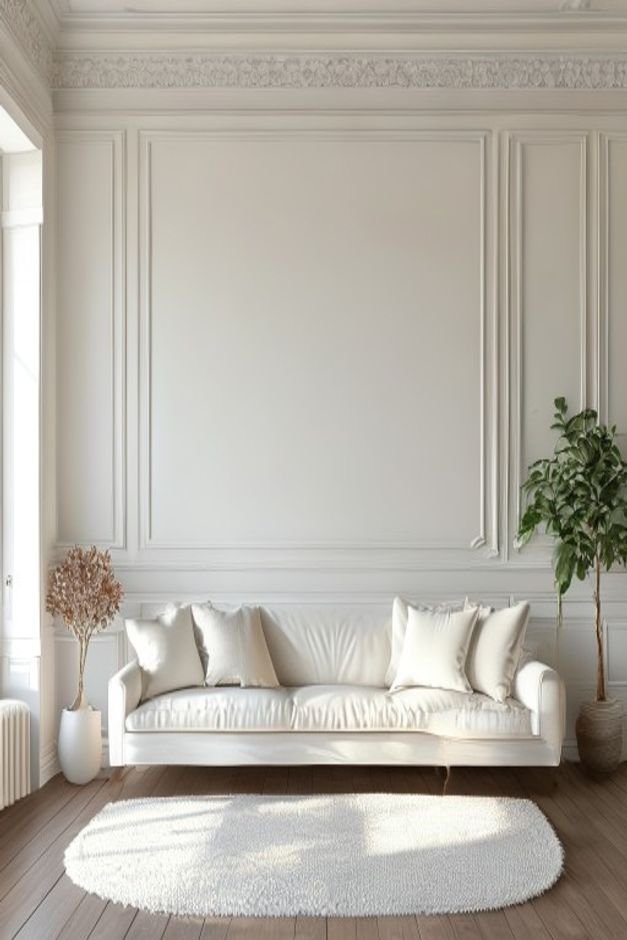
Enhance Walls with Architectural Details
For a truly bespoke and finished look, consider adding architectural details to your walls. Elements like wainscoting, picture rails, or crown molding can instantly elevate a room, giving it a sense of history and structure even in a new build.
Wainscoting, typically applied to the lower third or half of a wall, adds texture and a classic touch. It can be painted the same color as the wall for a subtle effect or a contrasting color for more drama.
Picture rails offer a traditional way to hang art without making holes, contributing to a refined aesthetic.
These details create visual interest and break up large expanses of plain wall, providing a framework for the rest of your room decor. They are investments that pay dividends in timeless style and perceived value, transforming a simple box into a thoughtfully designed space.
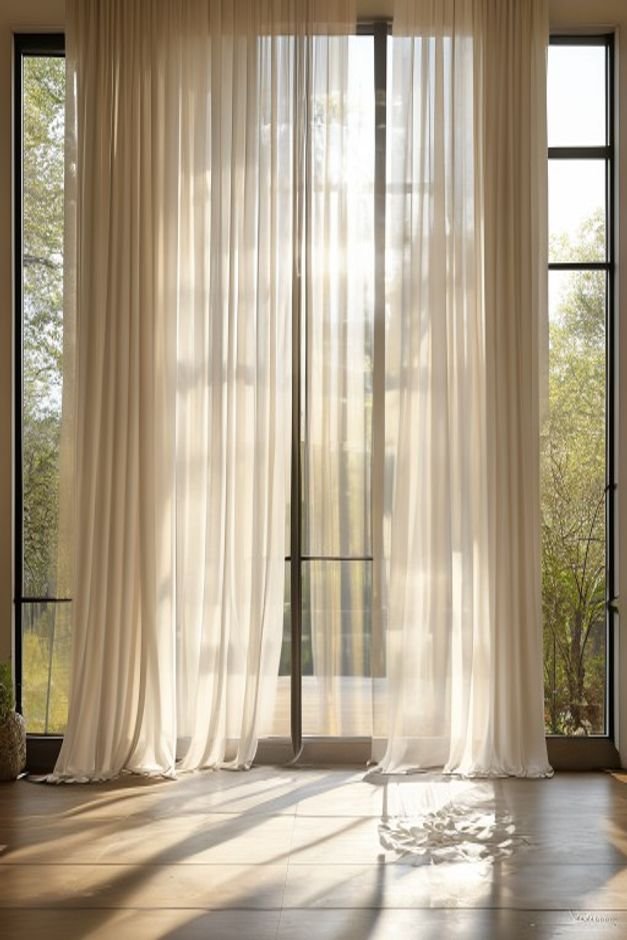
Define Spaces with Thoughtful Window Treatments
Window treatments are much more than just privacy solutions; they are crucial components of room decor that significantly impact a space’s perceived height and overall softness. Well-chosen curtains or drapes can frame a view, add a layer of texture, and introduce color or pattern.
To make a room feel taller, hang curtain rods several inches above the window frame, extending them beyond the width of the window. This draws the eye upwards and makes the window appear larger.
Choose fabrics that complement the room’s style—sheers for a light, airy feel; linen for relaxed elegance; or heavier drapes for warmth and formality.
The way curtains fall is also important. They should just kiss the floor or pool slightly for a luxurious touch. Thoughtful window treatments soften hard architectural lines and contribute to the room’s acoustic comfort, making the space feel more finished and inviting.
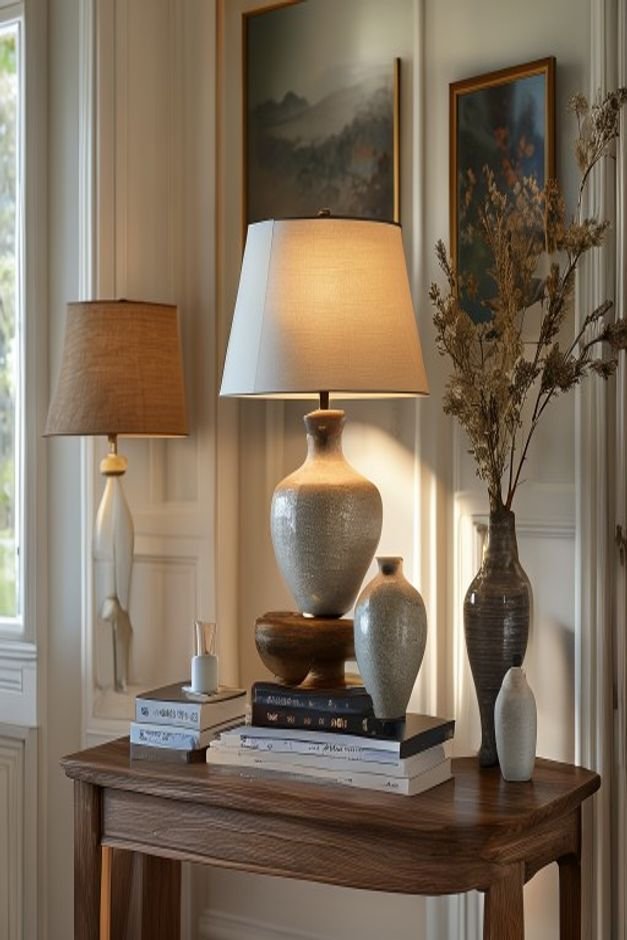
Create Intimate Zones with Purposeful Lighting
Lighting is not merely functional; it is a powerful tool for establishing mood and defining areas within a room. Beyond overhead fixtures, incorporating multiple layers of lighting—ambient, task, and accent—can transform the feel of a space.
Use floor lamps and table lamps to create pools of light that delineate conversation areas or reading nooks. The warm glow from a strategically placed lamp can make a large room feel more intimate and cozy.
Consider lamps with interesting bases or unique shades that double as sculptural elements.
Accent lighting, such as picture lights or small spotlights, can highlight specific pieces of art or architectural details, drawing attention to your curated room decor. The interplay of light and shadow adds depth and dimension, preventing a room from feeling flat or sterile.
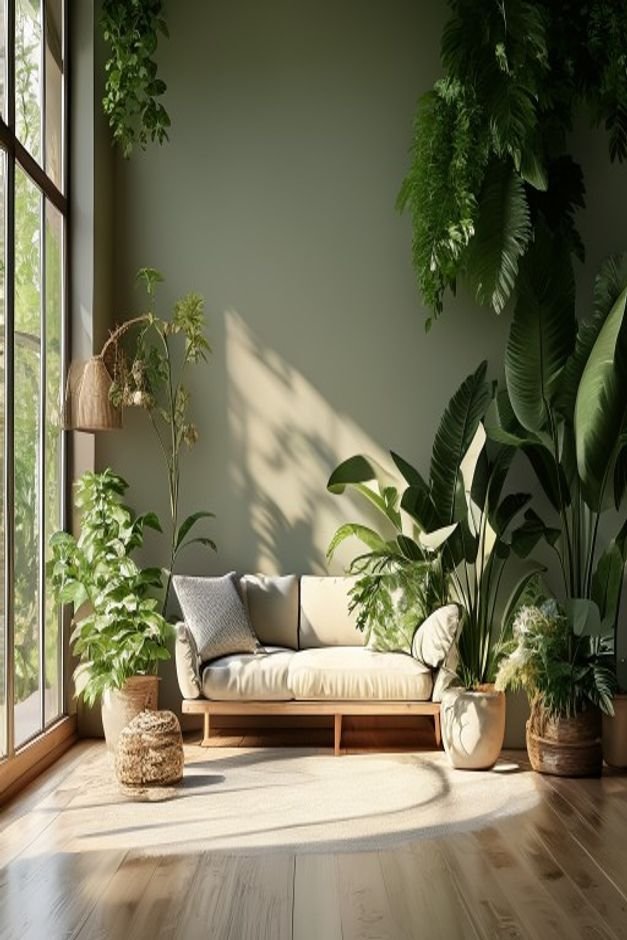
Integrate Nature with Greenery and Botanicals
Bringing the outdoors in is a timeless room decor strategy that instantly adds life, color, and a sense of calm to any interior. Plants, whether large floor specimens or smaller potted varieties, introduce organic shapes and vibrant greens that contrast beautifully with man-made furnishings.
A tall fiddle leaf fig or an elegant olive tree can fill an empty corner and add significant height, creating a natural focal point. Smaller plants, like succulents or trailing ivy, are perfect for styling shelves, coffee tables, or windowsills, bringing freshness to vignettes.
Beyond living plants, consider dried botanicals or high-quality artificial options for areas that don’t receive enough light or require low maintenance. The presence of nature softens the aesthetic, improves air quality, and contributes to a more serene and harmonious living environment.
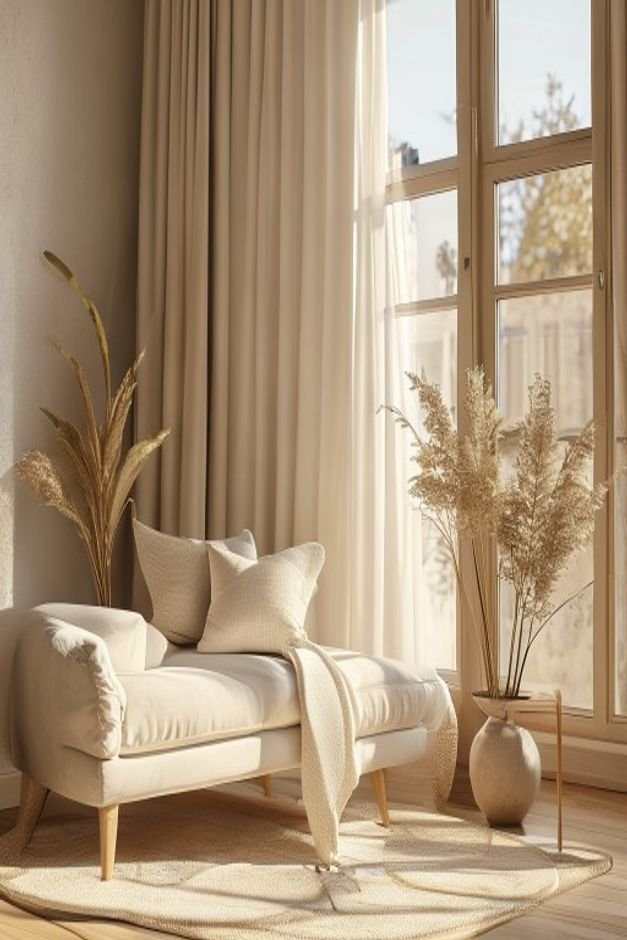
The Power of a Thoughtful Vignette
Sometimes, the most impactful room decor ideas are found in the small, carefully arranged groupings of objects. A vignette is a small, intentional display that tells a story or evokes a feeling, often found on a console table, bookshelf, or side table.
To create a successful vignette, choose items that vary in height, texture, and material. Start with a foundational piece, like a stack of books or a decorative tray, and then build around it.
Incorporate something organic, like a small plant or a found natural object, alongside a metallic or ceramic piece for contrast.
Think about the rule of three, or other odd numbers, as these groupings tend to be more visually appealing. A well-composed vignette draws the eye and makes a surface feel purposeful and styled, adding a layer of sophistication to your overall room decor.
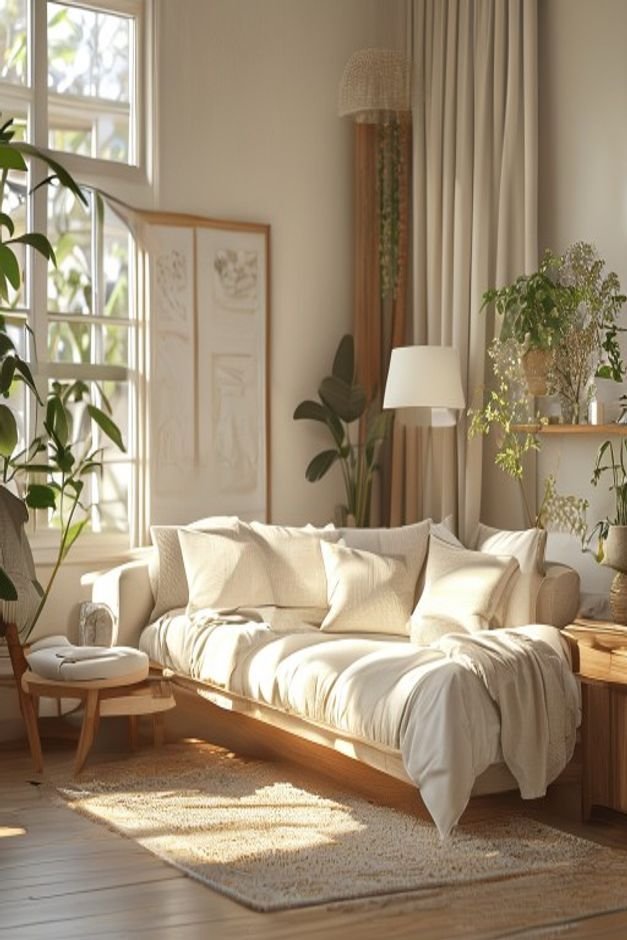
Bringing Your Room Decor Vision to Life
Creating a home that feels truly finished is about more than just filling spaces; it’s about making intentional choices that reflect your style and enhance y
our daily living. These room decor ideas, from anchoring with oversized art to the subtle power of thoughtful lighting, offer practical approaches to design.
Each suggestion focuses on visual impact, scale, and the way individual elements contribute to a cohesive whole. By applying these principles, you can transform your rooms into spaces that are not only beautiful but also deeply personal and inviting, standing the test of time.
