There comes a moment in every home when the existing room decor starts to feel a little… flat. Perhaps the walls look bare, the furniture feels uninspired, or the overall vibe has simply lost its initial spark.
The good news is that revitalizing your living spaces doesn’t require a full-scale remodel or a massive budget. Often, the most impactful changes come from thoughtful, strategic updates to your existing decor.
As a design expert, I’ve seen firsthand how a few considered adjustments can completely shift a room’s atmosphere, making it feel fresh, intentional, and deeply personal.
This guide offers 18 practical, visually strong ways to refresh your home, focusing on smart design principles that create lasting impact without the disruption of a major overhaul. Get ready to see your rooms in a new light.

Rethink Your Wall Art Arrangement
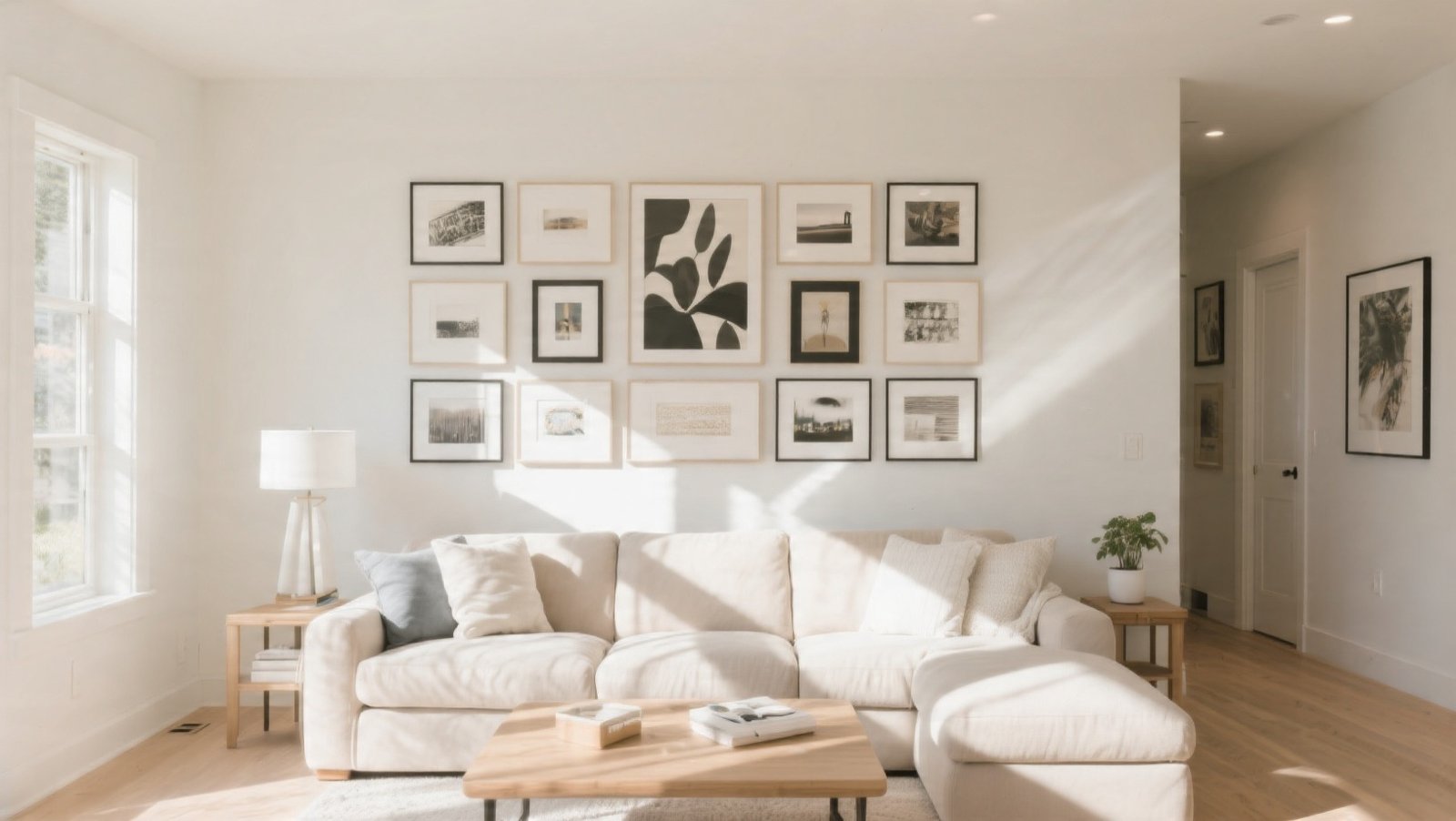
Wall art is more than just decoration; it’s a powerful tool for defining a room’s character and guiding the eye. Instead of scattering individual pieces haphazardly, consider a cohesive gallery wall.
Grouping art of various sizes and mediums can create a strong focal point, especially when arranged symmetrically or in a balanced, organic flow.
Pay close attention to scale. A single, oversized piece can make a dramatic statement on a large wall, while a series of smaller, complementary works can fill a longer expanse.
Ensure your art is hung at the correct height—typically eye level for an average person, or about 60 inches from the floor to the center of the artwork. This simple adjustment instantly makes a room feel more polished and intentional.
Don’t be afraid to mix and match frame styles or incorporate unexpected elements like textile art or decorative plates. The key is to find a common thread, whether it’s color, subject matter, or overall aesthetic, that ties the collection together.
This visual confidence transforms a bare wall into a curated display.
Introduce a Statement Mirror
Mirrors are design chameleons, offering both beauty and utility. Beyond their reflective properties, they add depth, expand visual space, and bounce light around a room, making it feel brighter and larger.
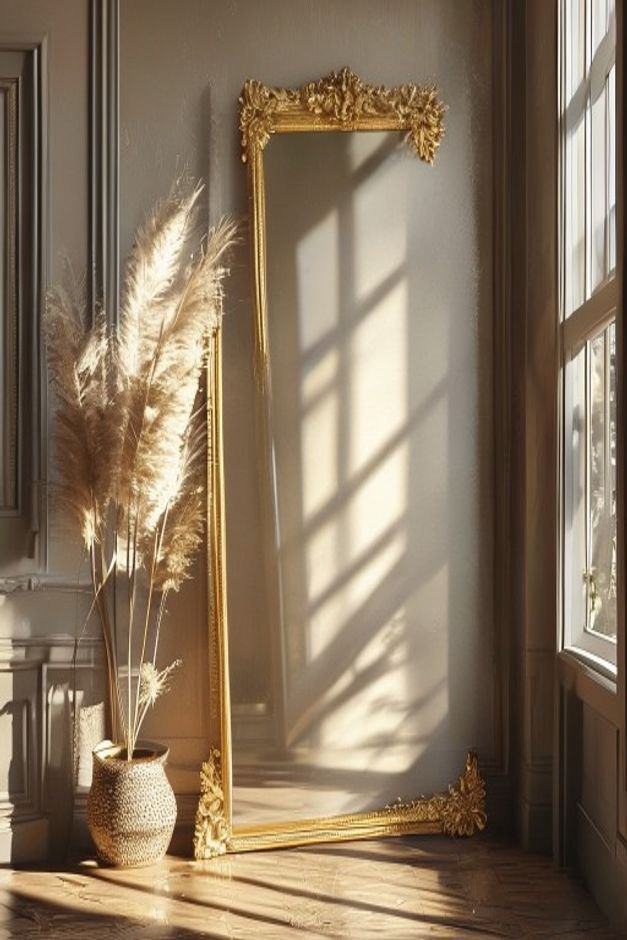
A well-chosen statement mirror can become a room’s most striking feature, drawing attention and adding architectural interest.
Consider a large, ornate mirror leaning against a wall in a living room or entryway. Its sheer size and decorative frame will act as a piece of art itself.
In a dining room, a mirror strategically placed opposite a window can amplify natural light, creating a more open and inviting atmosphere. Experiment with different shapes—a round mirror can soften harsh lines, while a sunburst design adds a touch of glamour.
The frame material and finish are crucial. A distressed wood frame can bring rustic charm, while sleek metal or a minimalist frameless design suits contemporary spaces.
Mirrors are a simple yet profound way to update room decor, offering instant visual impact without requiring any structural changes.
Refine Room Decor with Thoughtful Shelf Styling
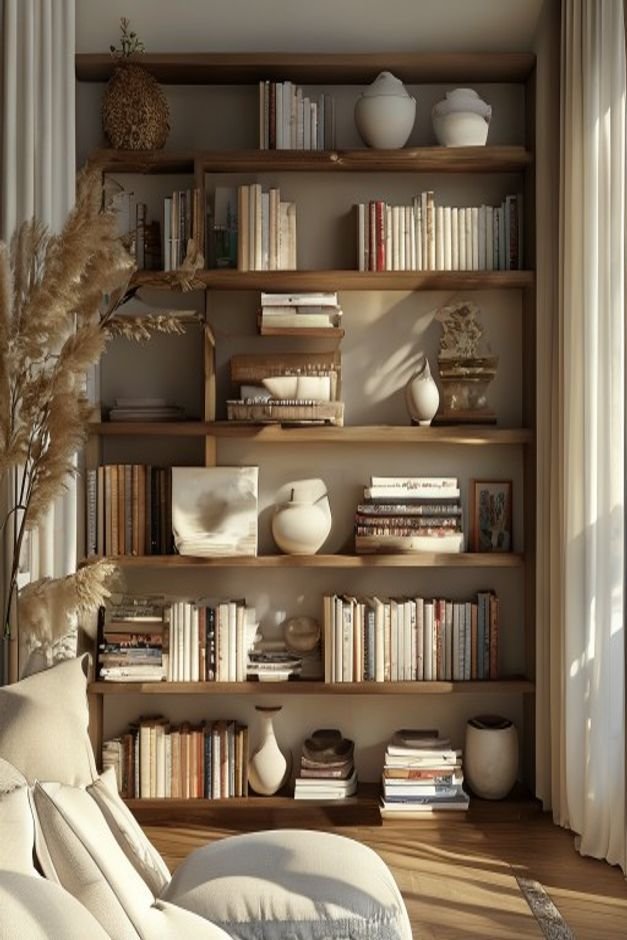
Open shelving, bookcases, and console tables offer prime real estate for personal expression. However, cluttered or uninspired displays can detract from a room’s overall appeal. Thoughtful shelf styling is about creating vignettes that tell a story, balancing objects, and utilizing negative space effectively.
Start by removing everything and then reintroduce items strategically. Mix books (some stacked horizontally, some vertically) with decorative objects like ceramic vases, small sculptures, or framed photos. Vary heights, textures, and materials to keep the eye moving.
Use the “rule of three” or odd numbers when grouping items for a more dynamic arrangement.
Remember that not every surface needs to be filled. Allowing for breathing room between objects is just as important as the items themselves. Incorporate natural elements like small plants or geodes for organic texture.
This disciplined approach to styling transforms functional storage into an artistic display, significantly refining your room decor.
Add Architectural Molding
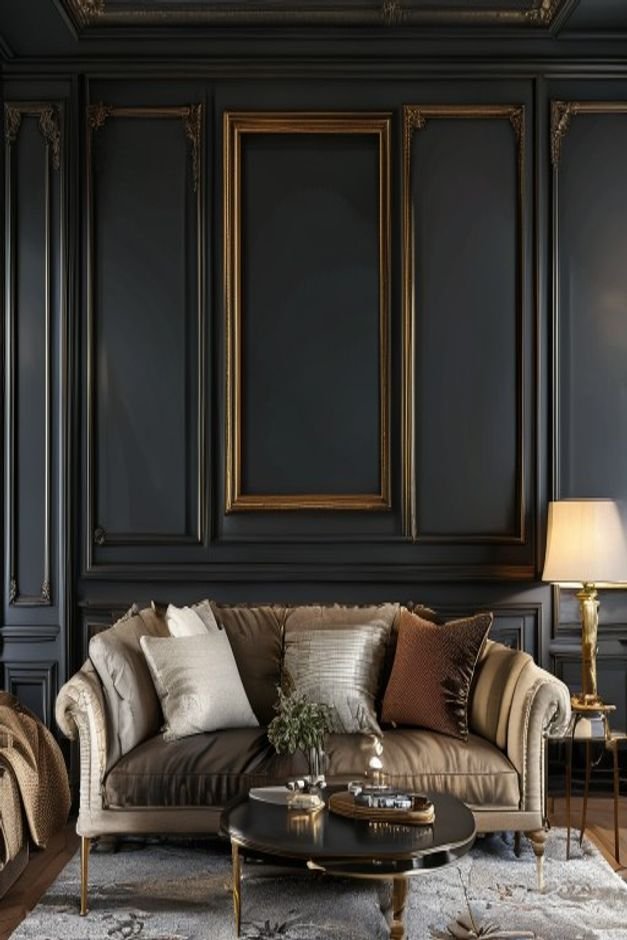
For a sophisticated update that feels genuinely custom, consider adding architectural molding. This isn’t just for traditional homes; modern takes on picture frame molding, wainscoting, or even a simple chair rail can introduce texture, depth, and a sense of permanence to any space.
It’s a surprisingly accessible DIY project that yields dramatic results.
Picture frame molding, for instance, involves applying thin strips of trim to create decorative rectangular or square panels on a wall. When painted in the same color as the wall, it adds subtle dimension.
For a bolder look, paint the molding in a contrasting shade or a deeper tone of the wall color. This creates an immediate feeling of bespoke craftsmanship.
A simple chair rail can break up a tall wall, allowing you to paint the lower and upper sections in different colors or apply wallpaper to one. These elements trick the eye, making a room feel more finished and designed.
Architectural details are a timeless way to enhance the character of your home without the expense of a full renovation.
Embrace the Power of Paint (Beyond Four Walls)
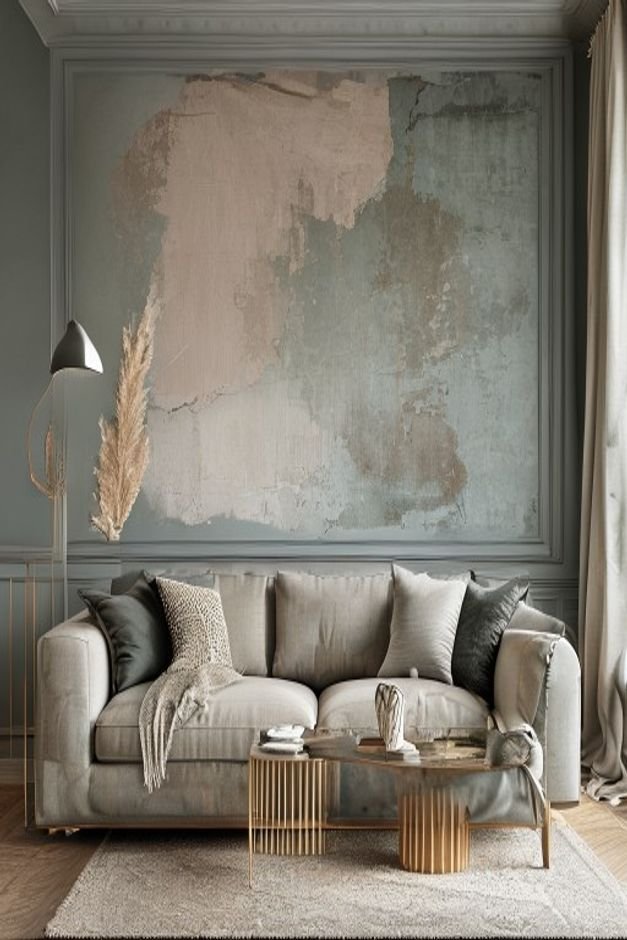
Everyone knows paint can change a room, but think beyond simply repainting all four walls. Strategic use of paint can highlight architectural features, create zones, or even adjust the perceived proportions of a space.
Consider an accent wall in a bold color or a rich, moody hue to draw attention to a specific area or piece of furniture.
Don’t stop at the walls. Painting the ceiling a lighter shade than the walls can make a room feel taller, while a darker color can create a cozy, intimate atmosphere.
Even painting interior doors in a contrasting color can add an unexpected pop and a custom touch. For a truly unique update, consider painting an old dresser or a bookshelf to give it new life and integrate it seamlessly into your updated room decor scheme.
Think about half-painted walls, where the top or bottom portion is painted a different color, or even a subtle stripe or geometric pattern. These techniques add personality and visual interest that a single solid color cannot achieve, making your space feel thoughtfully designed.
Layer in Textile Textures
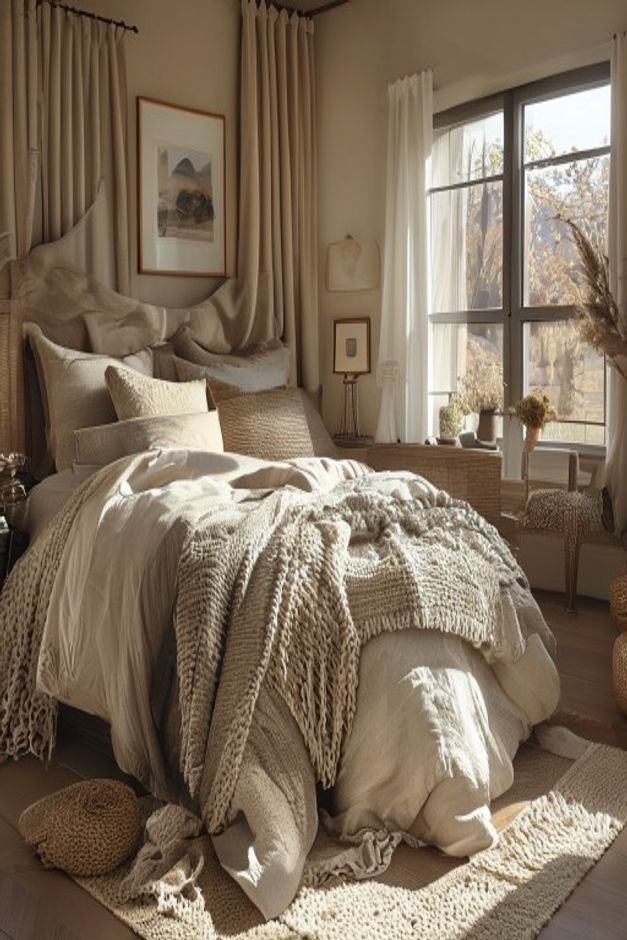
The tactile elements in a room often go overlooked, but textiles play a crucial role in establishing comfort, warmth, and visual interest. Layering different textures is a simple yet effective way to add depth and sophistication to your room decor.
Think beyond just the sofa and bed.
Start with foundational pieces like a rug. A large area rug not only defines a seating area but also introduces texture and color underfoot. Then, add throws in varying materials—a chunky knit, a soft faux fur, or a lightweight linen—draped over sofas and armchairs.
Pillows are another easy way to introduce new patterns, colors, and textures. Mix velvet with cotton, or a subtle geometric weave with a solid linen.
Even smaller textile elements like decorative baskets, woven wall hangings, or upholstered poufs contribute to the overall tactile experience. These layers create a sense of richness and make a room feel more inviting and lived-in, transforming a flat space into a cozy haven.
Update Lighting Fixtures
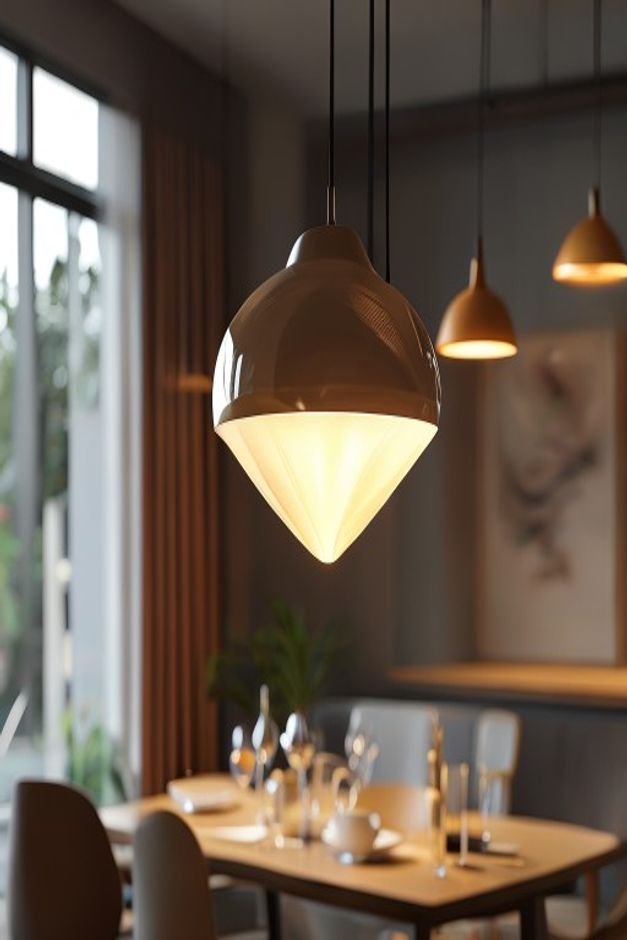
Lighting is often called the jewelry of a room, and for good reason. An outdated or inadequate lighting fixture can instantly age a space, while a new one can bring a modern, polished sensibility.
Swapping out a generic overhead light for a statement pendant or a stylish chandelier can dramatically alter a room’s aesthetic.
Beyond ceiling fixtures, consider the impact of table lamps and floor lamps. A sculptural floor lamp can act as a piece of art, while a pair of matching table lamps can bring symmetry and warm ambient light to a console or bedside tables.
Look for fixtures with interesting materials like brass, matte black, or frosted glass.
The type of lightbulb also matters. Warm, dimmable LED bulbs can create a cozy atmosphere, while brighter, cooler temperatures are better for task lighting.
Thoughtful lighting upgrades not only improve functionality but also serve as significant visual anchors, instantly updating your room decor and overall ambiance.
Bring in Greenery and Natural Elements
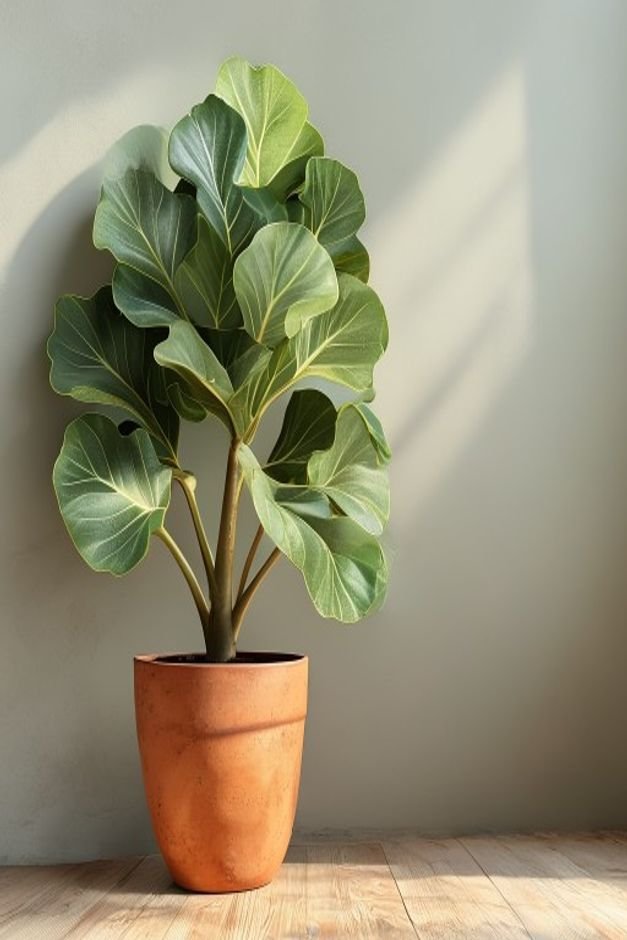
Few things refresh a space as effectively as living plants and natural materials. They introduce organic shapes, vibrant color, and a sense of calm and vitality. Incorporating greenery is an accessible way to soften hard lines, add texture, and literally bring life into your home.
Consider a large, leafy plant like a Fiddle Leaf Fig or a Monstera in an empty corner. Smaller plants like succulents or ferns can be grouped on shelves or windowsills. Don’t underestimate the power of fresh cut flowers or branches in a beautiful vase.
They add an immediate touch of elegance and natural beauty.
Beyond plants, integrate other natural elements: a decorative bowl of smooth river stones, a piece of driftwood, or artwork depicting natural landscapes. These elements connect your indoor space with the outdoors, creating a more harmonious and serene environment.
This simple addition makes a significant impact on the feeling of your room decor.
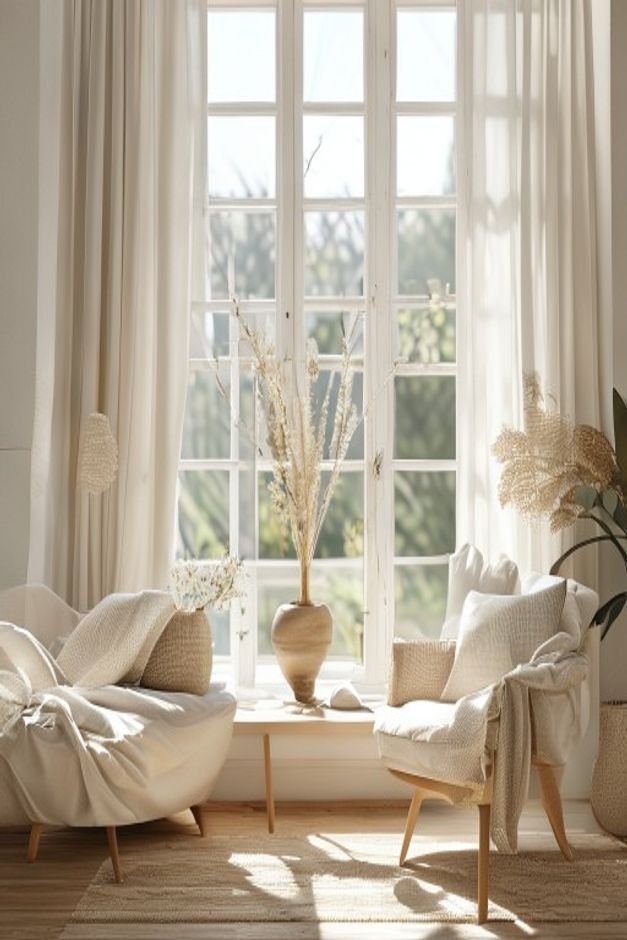
Refresh Your Window Treatments
Window treatments are more than just functional; they are crucial design elements that frame views, control light, and add softness and texture to a room. Outdated or ill-fitting curtains can make a space feel dated or unfinished.
A refresh here can make a world of difference.
Opt for curtains that extend to the floor, or even puddle slightly, for a luxurious and tailored look. Hanging curtain rods wider than the window frame and closer to the ceiling will make windows appear larger and ceilings taller.
Choose fabrics that complement your existing decor—light linen for an airy feel, velvet for drama, or a subtle pattern for added interest.
Consider layering treatments, such as sheer panels under heavier drapes, for versatility in light control and privacy. Roman shades or woven wood blinds offer a clean, contemporary alternative that adds texture without the bulk of curtains.
Thoughtful window treatments instantly refine a room, adding a polished layer to your overall design.
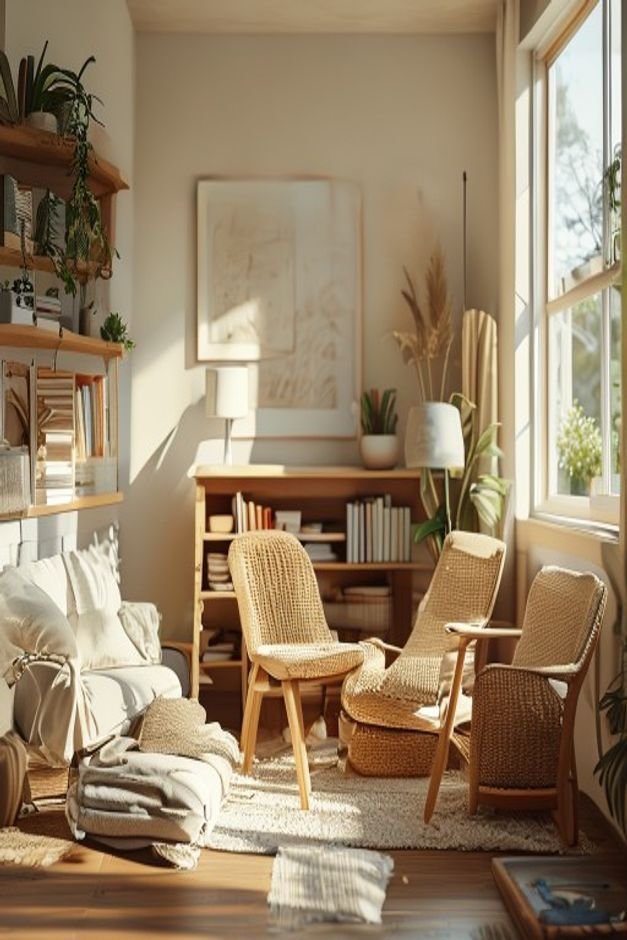
The Art of Decluttering and Reorganizing
Sometimes, the best way to update room decor is not to add something new, but to thoughtfully remove and reorganize what you already have. Clutter creates visual noise and can make even the most beautifully designed spaces feel chaotic and uninviting.
A thorough decluttering session is a powerful design tool.
Go through each room with a critical eye, removing items that no longer serve a purpose, are broken, or simply don’t bring you joy. Once decluttered, reorganize your belongings with intention.
Use attractive storage solutions like woven baskets, decorative boxes, or closed cabinetry to hide essentials while keeping surfaces clear.
Reorganizing also means rethinking furniture placement. Can you create better flow? Can you highlight a focal point more effectively? A clean, organized space allows your existing decor to shine and provides a fresh canvas for any new additions.
This foundational step is often the most impactful for creating a serene and stylish home.
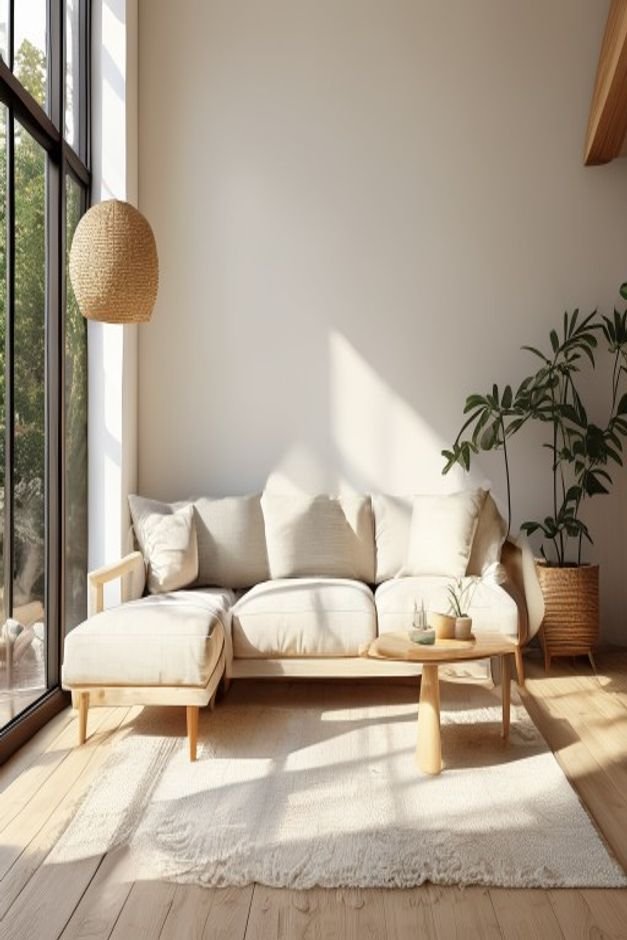
Simple Shifts for Lasting Room Decor Impact
Updating your home doesn’t always require a sledgehammer or a hefty design budget. As we’ve explored, the most significant shifts in room decor often come from nuanced, strategic changes that enhance the existing framework of your space.
From curating compelling wall art to layering rich textures and introducing architectural details, each adjustment contributes to a more refined and personal environment.
These practical ideas encourage you to view your home with a fresh perspective, empowering you to create spaces that feel current, comfortable, and deepl
y reflective of your personal style. Embrace these simple yet powerful design principles, and enjoy the lasting impact they bring to your everyday living.
