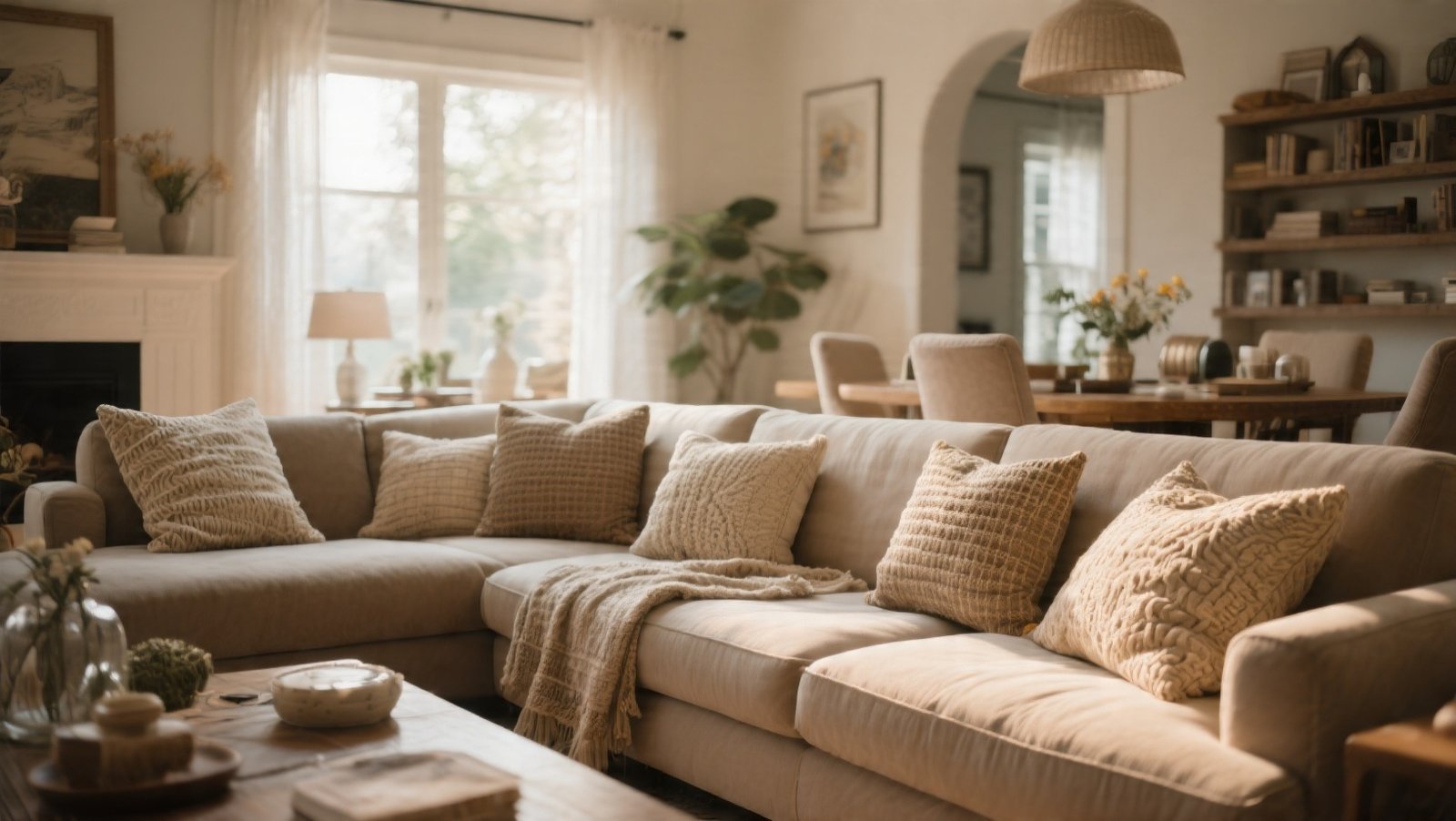
Many homes struggle with that “finished but lived-in” feeling. Often, it’s not about expensive furniture or complete overhauls, but how we use room decor.
The art of styling a space involves more than just filling shelves; it’s about making intentional choices that contribute to the room’s overall balance, function, and personality.
This guide shares smart, practical ways to arrange and select decor that makes a real difference in your home, turning everyday items into impactful design elements.
Master the Art of Scale and Proportion
This is foundational. One of the most common missteps in home styling is ignoring the relationship between an item’s size and the space it occupies.
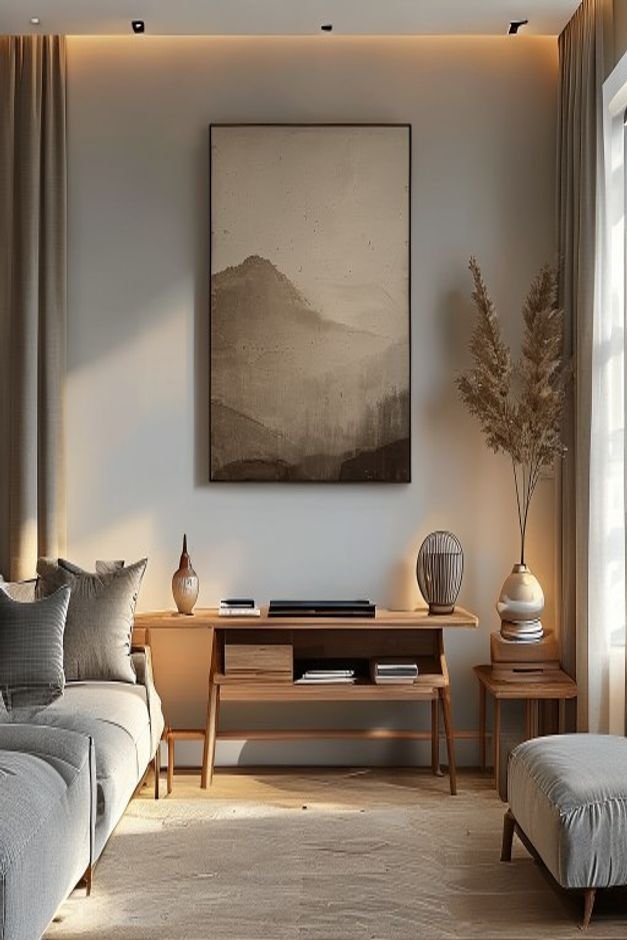
A tiny piece of art on a vast wall will get lost; an oversized mirror in a small entryway can overwhelm. Think about the overall footprint of your room and the size of your main furniture pieces.
When selecting room decor, ensure it feels appropriate to its surroundings. A large wall might call for a single, substantial piece of art or a gallery wall composed of several medium-sized frames, rather than many small, disparate items.
Similarly, a coffee table vignette should respect the table’s surface area, neither looking too sparse nor too crowded. Always consider how an item visually “weighs” in the room.
Anchor Your Space with Large-Scale Art
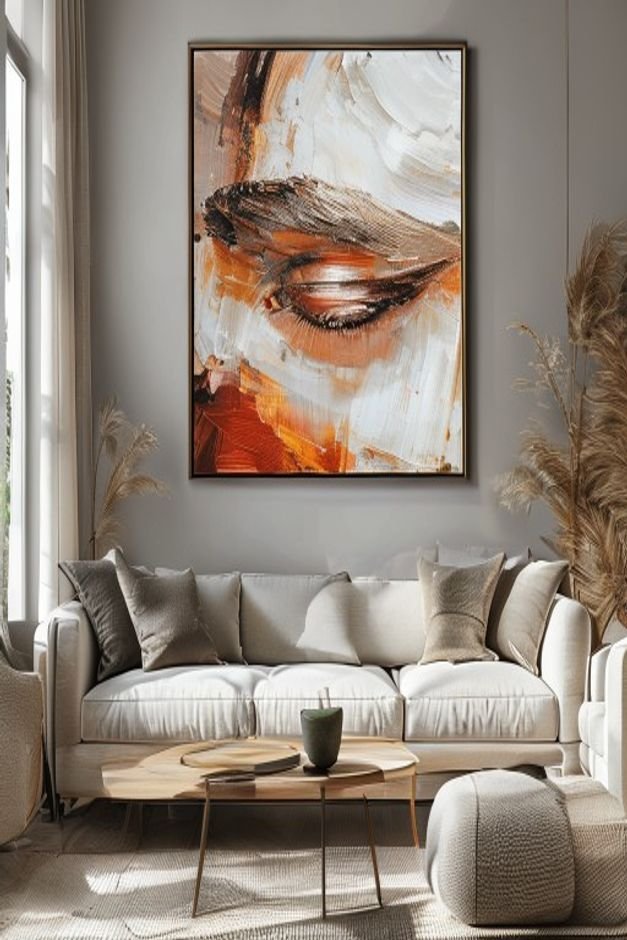
A single, significant piece of art can instantly ground a room and provide a powerful focal point. Instead of scattering many small frames, consider investing in one large painting, photograph, or print that resonates with you.
This creates a strong visual anchor, drawing the eye and establishing a clear center of interest.
Place it strategically above a sofa, a console table, or a bed. The scale should be generous—ideally, the art should fill at least two-thirds of the width of the furniture piece it’s above.
This approach simplifies the visual landscape while making a bold statement, giving the room a confident, curated feel.
Use Mirrors to Amplify Light and Space
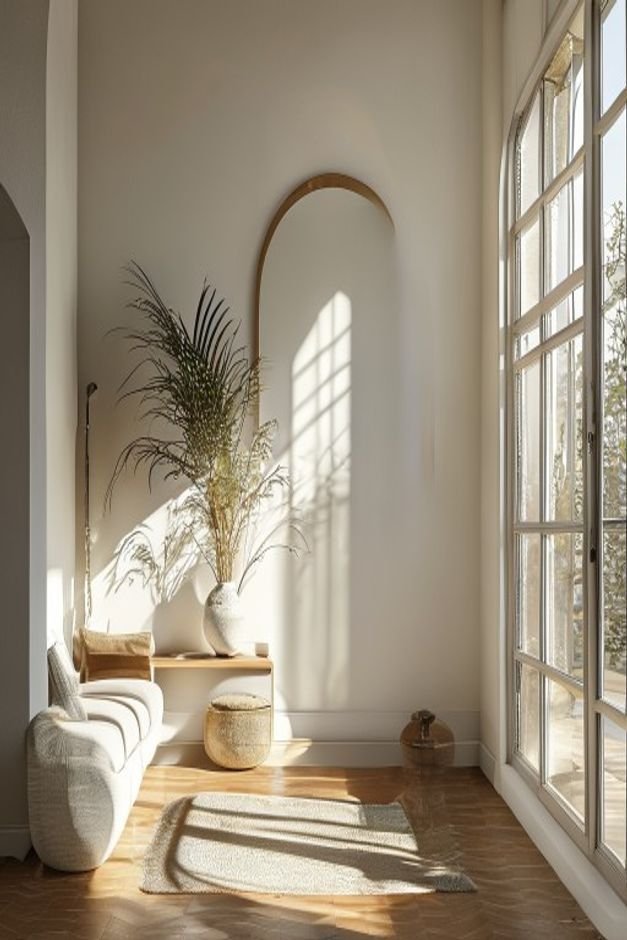
Mirrors are more than just functional; they are powerful design tools. Strategically placed, they can reflect natural light, making a room feel brighter and more expansive. Consider hanging a large mirror opposite a window to bounce light deep into the space.
In a narrow hallway, a full-length mirror can visually widen the area.
Beyond their reflective qualities, the frame of a mirror itself acts as a piece of decor. Choose frames that complement your existing style, whether it’s an ornate gilded frame for a classic look or a sleek, minimalist design for a modern aesthetic.
Experiment with leaning oversized mirrors against a wall for a casual, contemporary touch.
Curate Thoughtful Vignettes
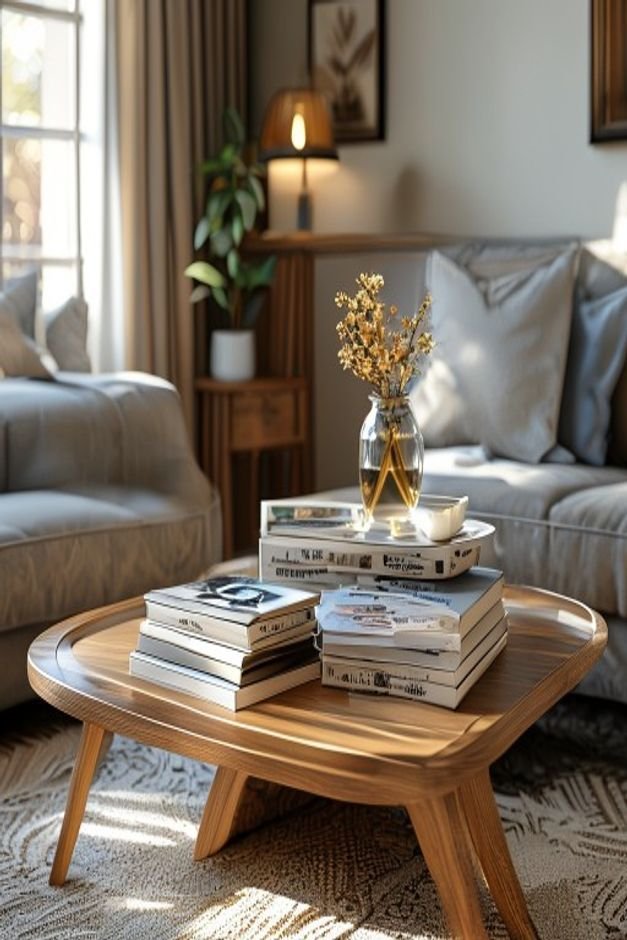
A vignette is a small, intentional arrangement of objects that tells a story or creates a moment of visual interest. Instead of placing items randomly, group them with purpose. Start with a foundational piece, like a tray, a stack of books, or a small pedestal.
Then, add items with varying heights, textures, and forms. Think in odd numbers (three or five items often look best). Combine elements like a small plant, a decorative object, and a scented candle.
The key is to create balance and cohesion, ensuring the items relate to each other in some meaningful way. This method transforms cluttered surfaces into artful displays, adding personality and depth to your home.
Layer Textures for Depth
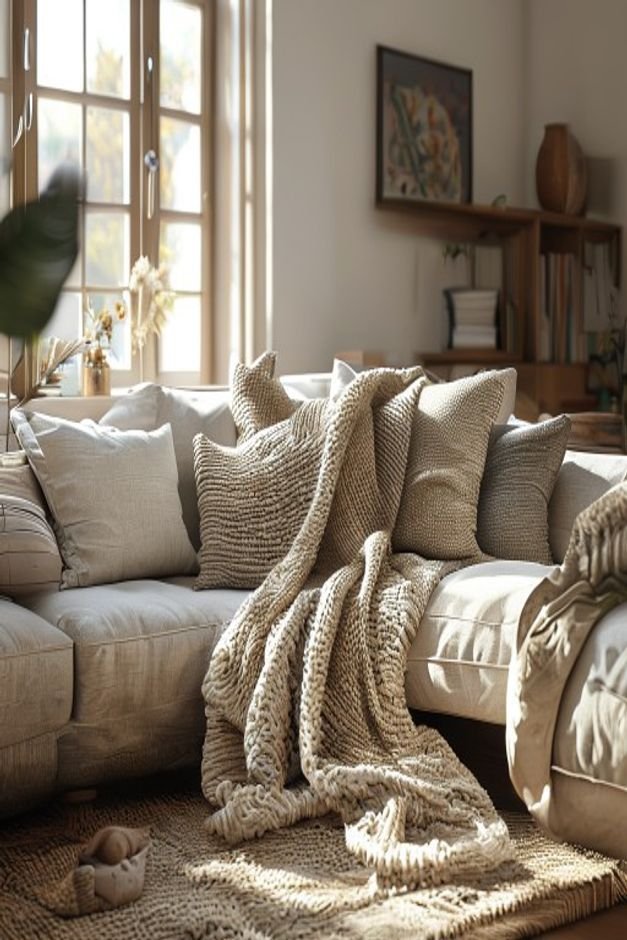
A room can feel flat without a variety of textures. Incorporating different tactile elements adds warmth, comfort, and visual interest. Think beyond just soft furnishings.
Introduce a chunky knit throw over a sofa, linen curtains, a rug with a distinct weave, or a ceramic vase with an unglazed finish.
Wall decor can also bring texture—consider a woven wall hanging, a framed textile art piece, or even wallpaper with a subtle pattern. The interplay of smooth, rough, soft, and hard surfaces creates a rich, inviting environment.
This layering makes a room feel more lived-in and thoughtfully designed, appealing to multiple senses.
Define Zones with Area Rugs
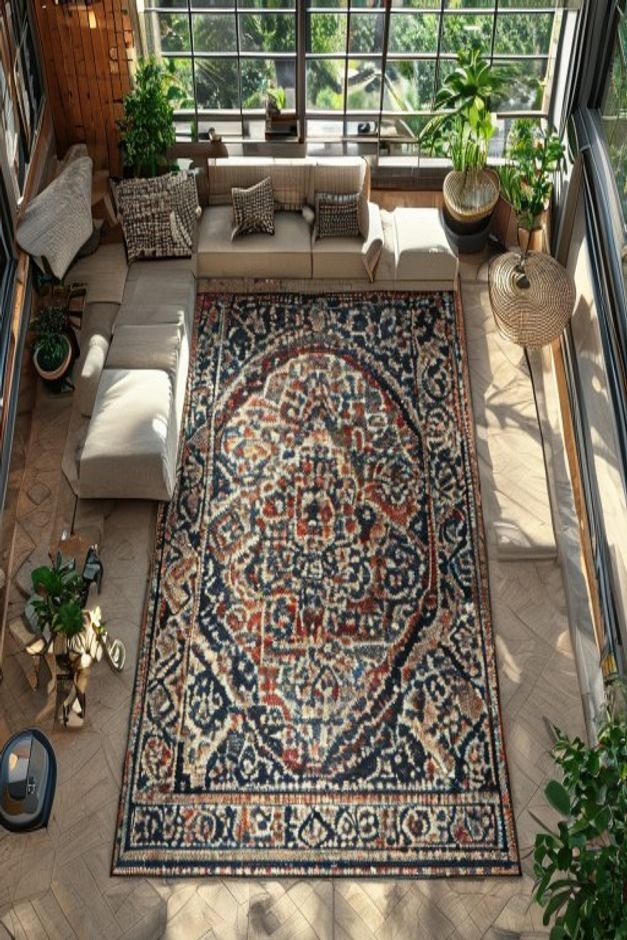
In open-concept spaces or larger rooms, area rugs are invaluable for defining distinct functional zones. A rug under your dining table clearly delineates the dining area from the living space.
In a living room, a large rug can anchor the entire seating arrangement, making the furniture feel connected and cohesive.
When choosing a rug, ensure it’s generously sized. All front legs of your main furniture pieces (like sofas and armchairs) should sit on the rug, or ideally, all legs.
This prevents the rug from looking like a floating island and helps create a unified, well-proportioned space. The rug itself also contributes significant color, pattern, and texture to the room decor.
Incorporate Functional Decor with Style
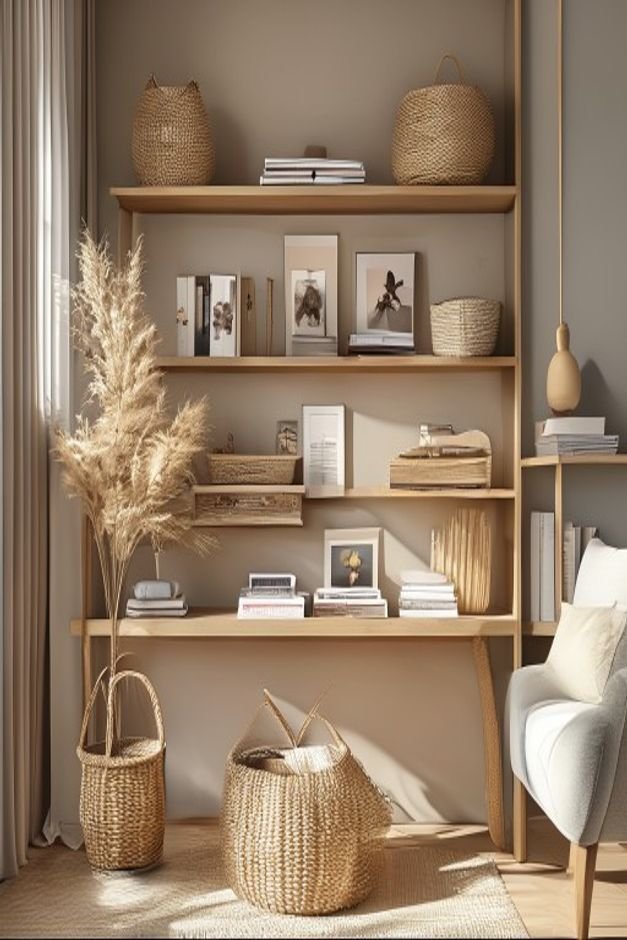
Not all room decor is purely aesthetic; many pieces serve a dual purpose, offering both beauty and utility. Think about storage solutions that are also visually appealing. A beautifully crafted basket can hold throws or magazines. Decorative boxes can hide clutter on shelves.
A stylish bar cart isn’t just for drinks; it can be a mobile display for curated objects. Even everyday items like books, when arranged thoughtfully by color or size, become decorative elements.
Choosing items that are both practical and pleasing to the eye ensures that your home remains clutter-free while still looking impeccably styled.
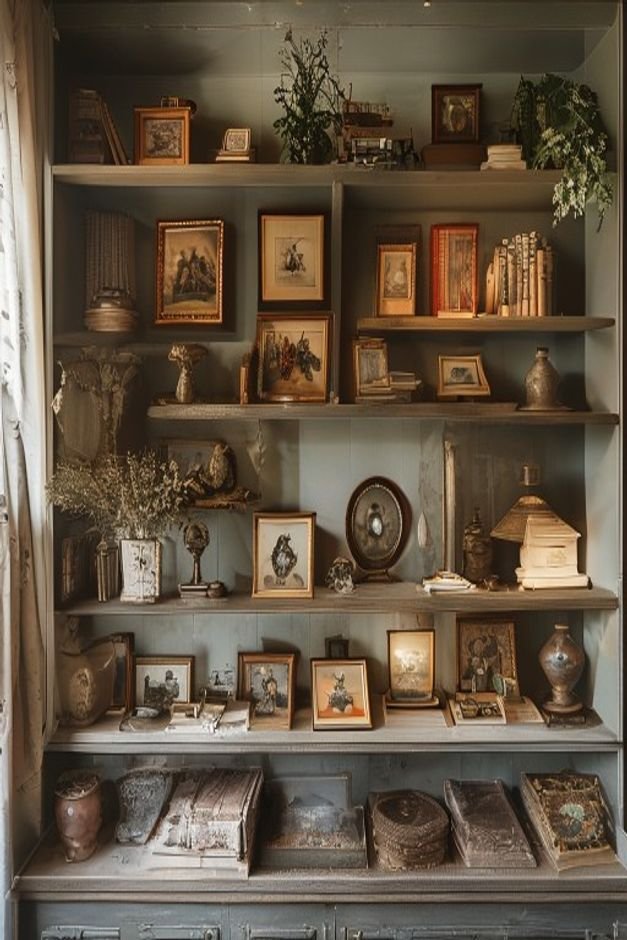
Display Personal Collections with Intent
Your home should reflect who you are. Personal collections, when displayed thoughtfully, add immense character and a unique story to your space. Instead of scattering items haphazardly, group similar objects together.
This could be a collection of antique cameras on a bookshelf, a series of framed travel prints, or a display of handmade pottery.
When grouped, individual items gain collective impact and become more than the sum of their parts. Use shelves, display cabinets, or wall space to create dedicated areas for these treasured items.
This approach elevates personal mementos from mere clutter to curated art, making your home feel truly authentic.
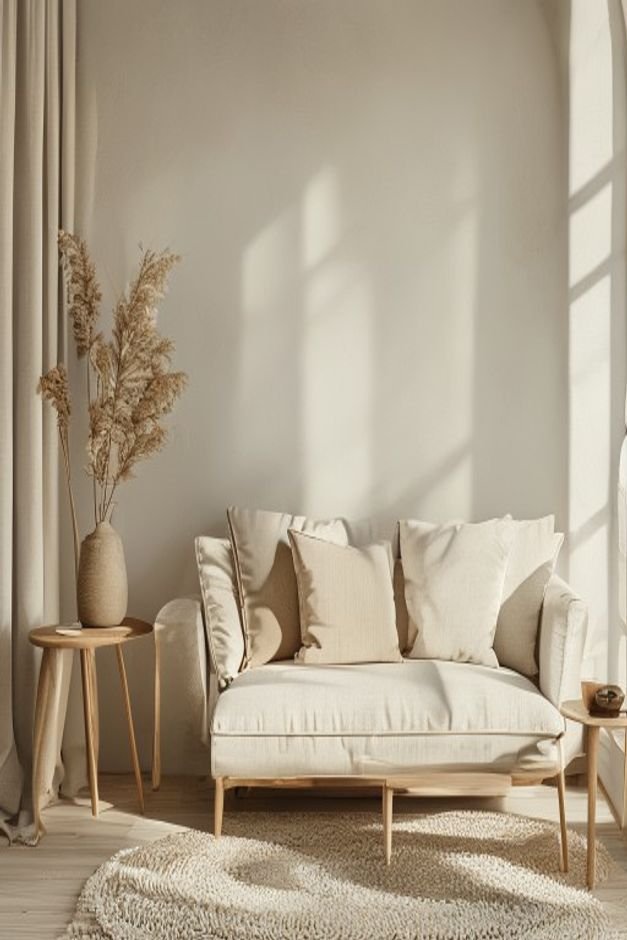
Embrace Negative Space
In the pursuit of beautiful room decor, it’s easy to overfill a space. However, negative space—the empty areas around and between objects—is just as crucial as the objects themselves. It provides visual breathing room, allowing the eye to rest and appreciate the curated pieces.
Don’t feel every shelf needs to be packed, or every wall covered. A single, well-chosen piece of art on an otherwise blank wall can have more impact than a cluttered gallery. Similarly, leaving some surfaces clear allows key decorative elements to stand out.
Embracing negative space creates a sense of calm and sophistication, preventing a room from feeling overwhelming or busy.
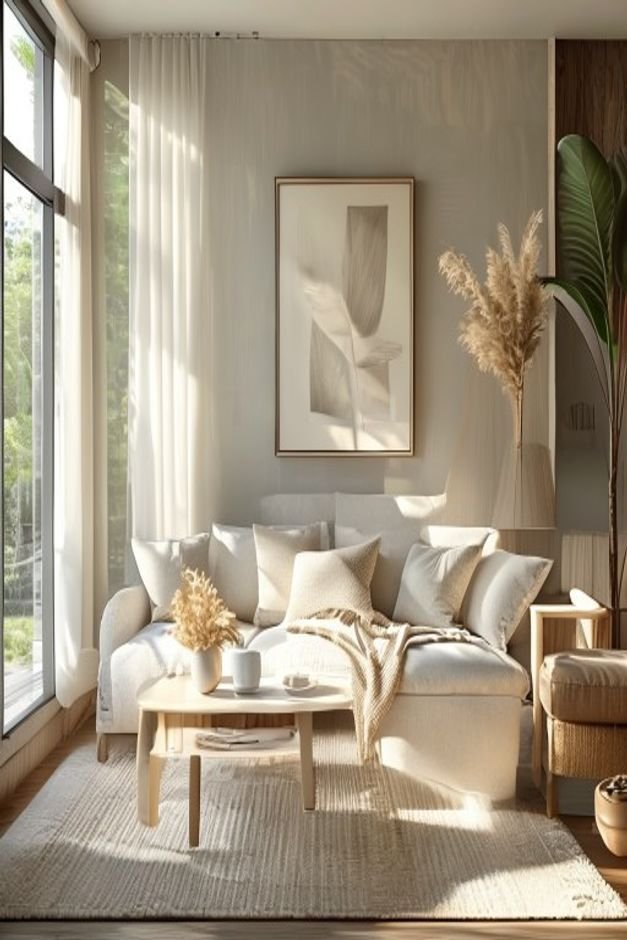
Vary Heights for Visual Interest
A room where all objects are at the same level can feel monotonous. Introducing varying heights immediately adds dynamism and visual interest. On a console table, place a tall vase next to a stack of books and a lower bowl.
On open shelving, mix tall sculptures with shorter framed photos and trailing plants.
Consider using pedestals or decorative boxes to elevate certain items. When arranging art, don’t just hang everything at eye level; create a varied display that draws the eye up and down.
This thoughtful use of vertical space prevents a flat, static appearance and guides the viewer’s gaze around the room, making it feel more engaging and professionally styled.
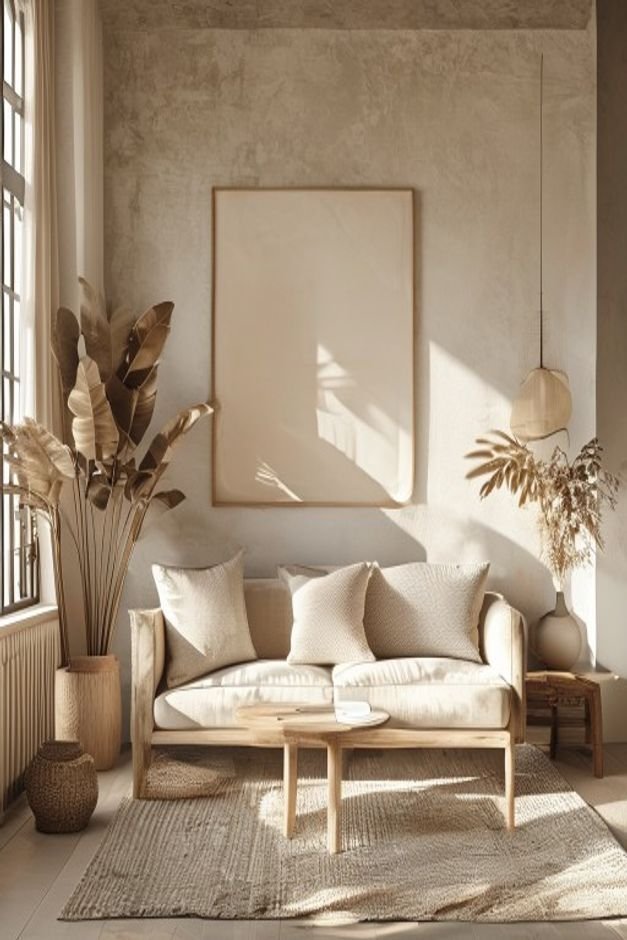
The Art of Intentional Room Decor
Mastering room decor isn’t about following rigid rules, but about understanding principles that create balance, beauty, and personal expression.
From the foundational decision of scale to the subtle art of layering textures and the power of negative space, each choice contributes to the overall feel of your home.
By approaching your decor with intention, considering how each piece interacts with its surroundings, you can create spaces that are not only visually compelling but also genuinely reflective of your style.
These smart ways of using room decor empower you to craft a home that feels both polished and deeply personal, a true reflection of you.
