Elevate Your Room Decor Without the Overhaul
Stepping into a room that feels just a bit off can be surprisingly frustrating. Perhaps the layout is fine, and the furniture serves its purpose, but the overall impression lacks a certain polish or personality.
The good news is that you don’t need a full renovation or a significant budget to make a dramatic difference. Often, the most impactful improvements to your room decor come from thoughtful, low-effort adjustments.
These are the kinds of changes that stylists and designers instinctively make to bring a space to life. They address common visual pitfalls, enhance functionality, and introduce layers of comfort and style.
Here are nine simple yet powerful ways to refine your room decor and create a space that feels truly complete.
Refine Your Art Placement
Art is more than just decoration; it’s a focal point, a conversation starter, and a reflection of your taste. However, improperly hung art can throw off an entire room.
Many people hang art too high, leaving a visual disconnect between the artwork and the furniture it relates to.
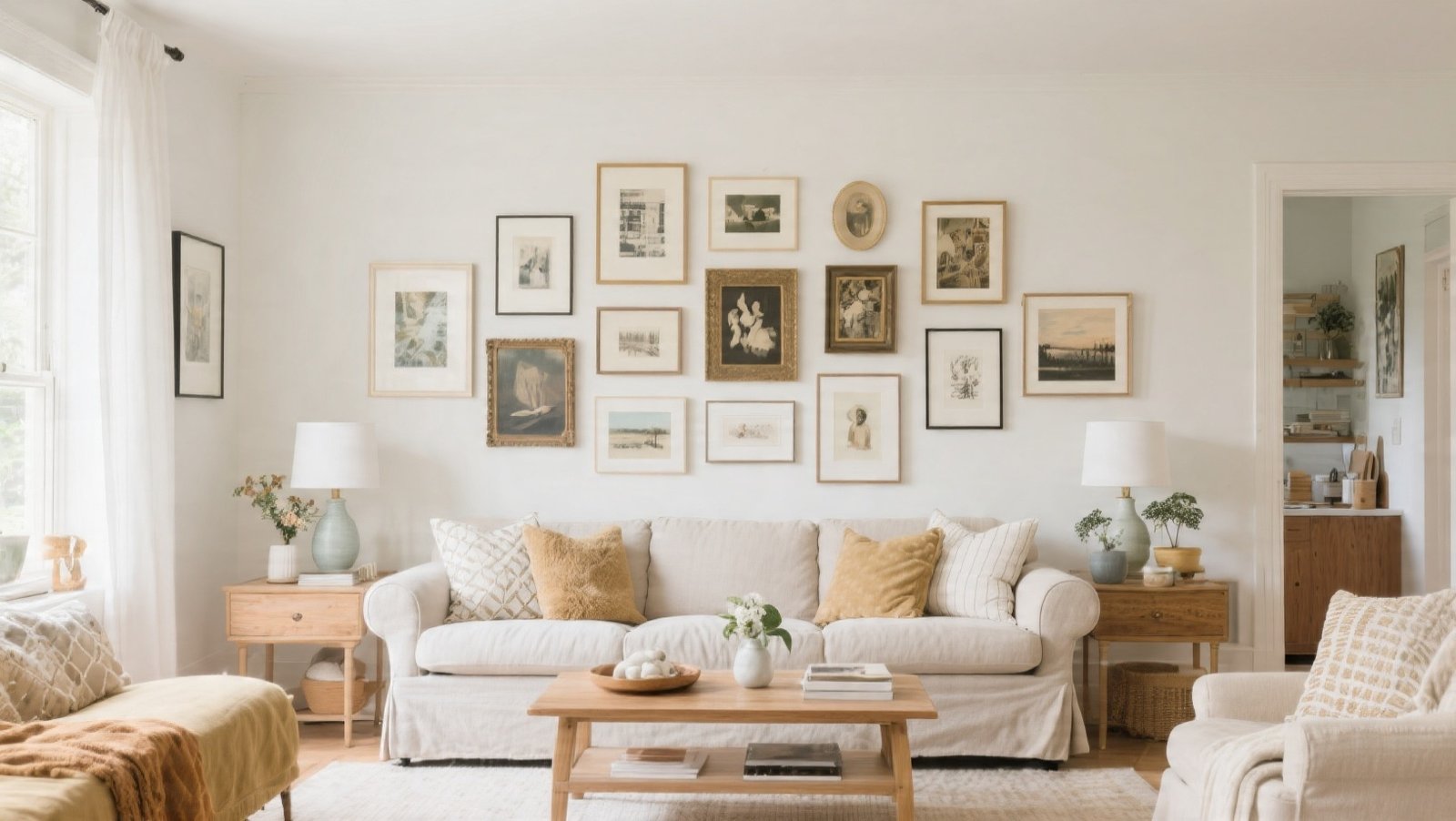
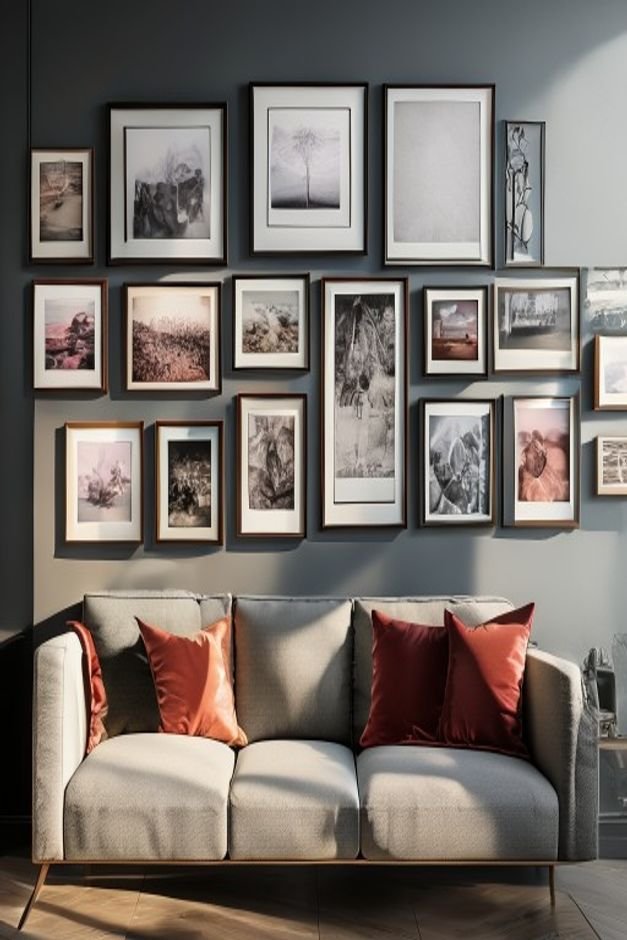
As a general rule, the center of a piece of art or a gallery wall should be at eye level, which is typically around 57-60 inches from the floor.
When hanging art above a sofa or console, ensure the bottom edge of the frame is 6-8 inches above the furniture. For gallery walls, consider the grouping as a single unit, ensuring balance in size, shape, and frame style.
Pay attention to scale. A tiny piece of art can get lost on a large wall, while an oversized piece can overwhelm a small space. Thoughtful placement makes a profound difference in how your entire room decor is perceived.
Leverage Mirror Reflection
Mirrors are incredibly versatile tools for enhancing room decor. Beyond their functional purpose, they are masters of illusion, capable of expanding a space and amplifying light. A strategically placed mirror can make a small room feel larger and brighter almost instantly.
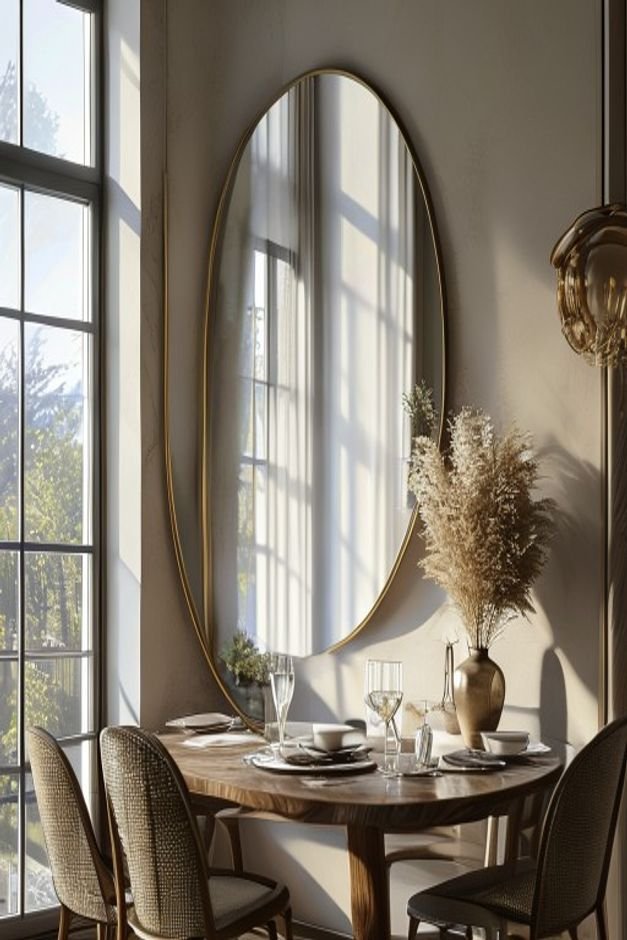
Consider placing a large mirror directly across from a window to bounce natural light deep into the room. This can dramatically increase the perceived brightness and openness of a space. Large mirrors can also serve as stunning focal points, especially those with interesting frames.
Experiment with different shapes and sizes. A grand floor-leaning mirror adds a touch of drama, while a collection of smaller, decorative mirrors can create an intriguing wall display.
Always assess what the mirror will reflect; aim for something visually appealing, like a plant, a piece of art, or an outdoor view.
Introduce Layered Lighting
Relying solely on overhead lighting is one of the quickest ways to make a room feel flat and uninviting. Good lighting is about layering, combining ambient, task, and accent lighting to create depth, warmth, and functionality. This is a crucial element of sophisticated room decor.
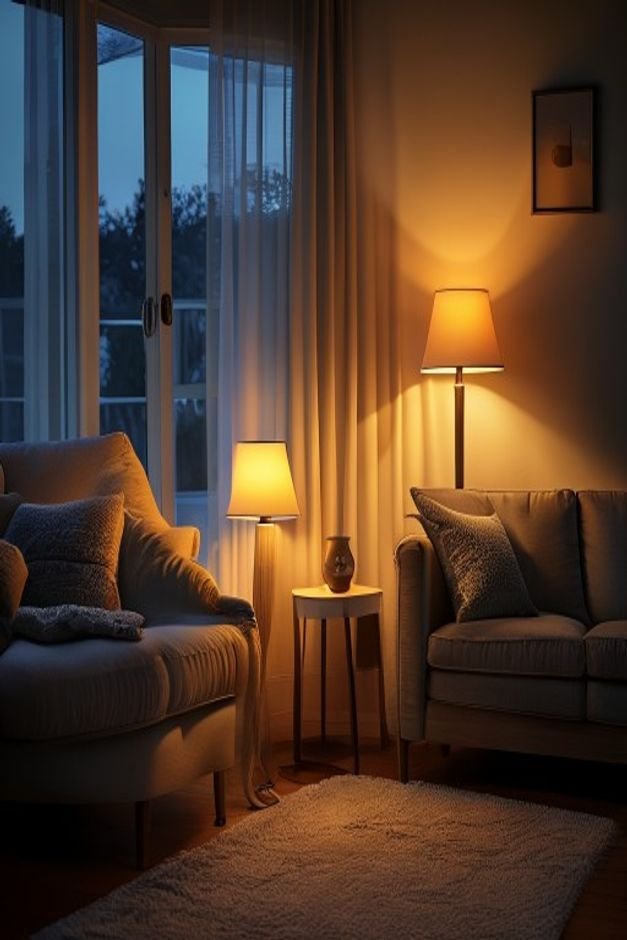
Ambient lighting provides overall illumination, like ceiling fixtures. Task lighting, such as a reading lamp by a chair, focuses light for specific activities. Accent lighting, like a picture light or a small lamp highlighting a decorative object, adds visual interest and mood.
Incorporate table lamps, floor lamps, and even sconces to create pools of light throughout the room. This not only makes the space feel cozier but also allows you to adjust the ambiance for different times of day or activities.
Dimmer switches are also a simple yet powerful upgrade for any light fixture.
Incorporate Varied Textures
A room filled with smooth, uniform surfaces can feel sterile and uninspired. Introducing varied textures is a low-effort way to add depth, warmth, and visual interest to your room decor. It’s about engaging the sense of touch as much as sight.
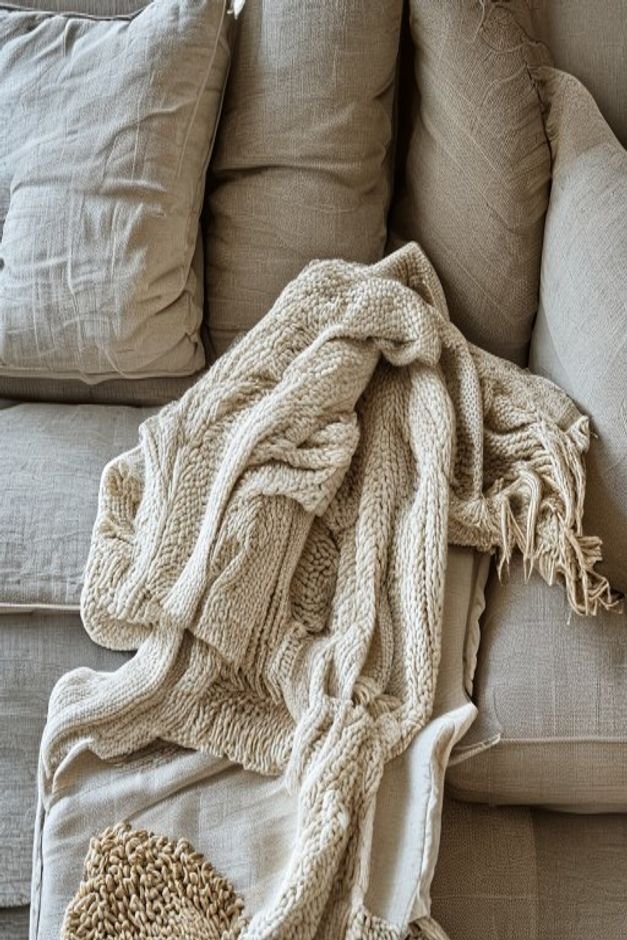
Think about soft additions like a chunky knit throw draped over a sofa, velvet cushions, or a plush rug. Incorporate natural textures through woven baskets, wooden accents, or ceramic planters.
Even the subtle sheen of a silk pillow against a linen sofa can create a rich contrast.
Don’t be afraid to mix and match. A jute rug, a cotton throw, and a ceramic vase all offer distinct tactile experiences that, when combined thoughtfully, create a layered and inviting atmosphere.
These small textural elements can make a room feel instantly more comfortable and curated.
Style Your Surfaces Intentionally
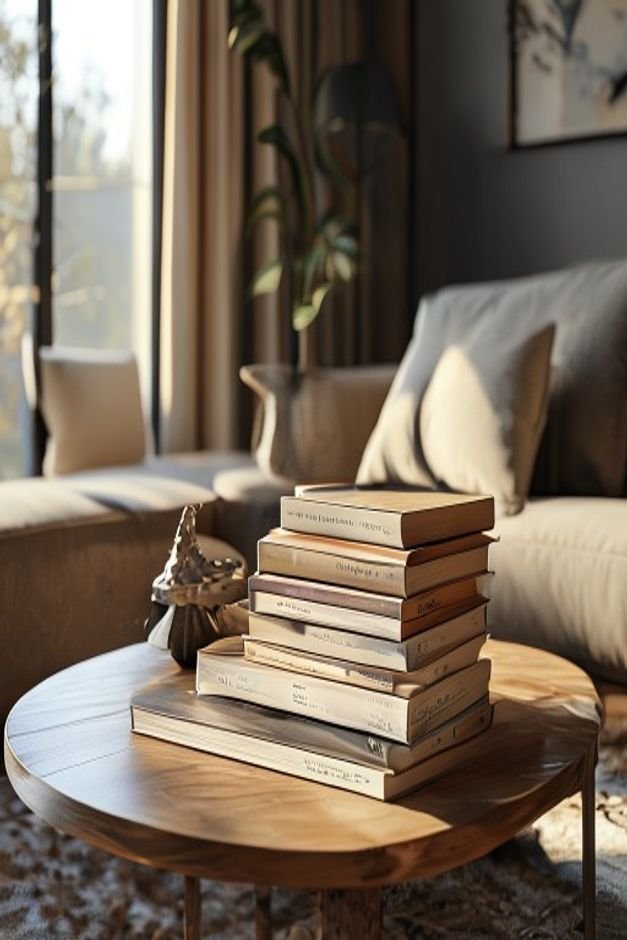
From coffee tables to bookshelves and console tables, every flat surface in your home presents an opportunity for intentional styling. These aren’t just places to put things; they are stages for curated vignettes that reflect your personality and enhance your room decor.
Avoid simply scattering items.
When styling, think in odd numbers – groups of three or five objects often look more natural and dynamic. Vary heights and shapes to create visual interest.
For instance, on a coffee table, you might combine a stack of books, a small sculptural object, and a scented candle on a decorative tray.
Leave some negative space; not every inch needs to be filled. This allows the eye to rest and highlights the items you’ve chosen. Rotate your accessories seasonally or whenever you feel like a refresh.
Thoughtful surface styling makes a significant impact on a room’s perceived finish.
Add Fresh Greenery
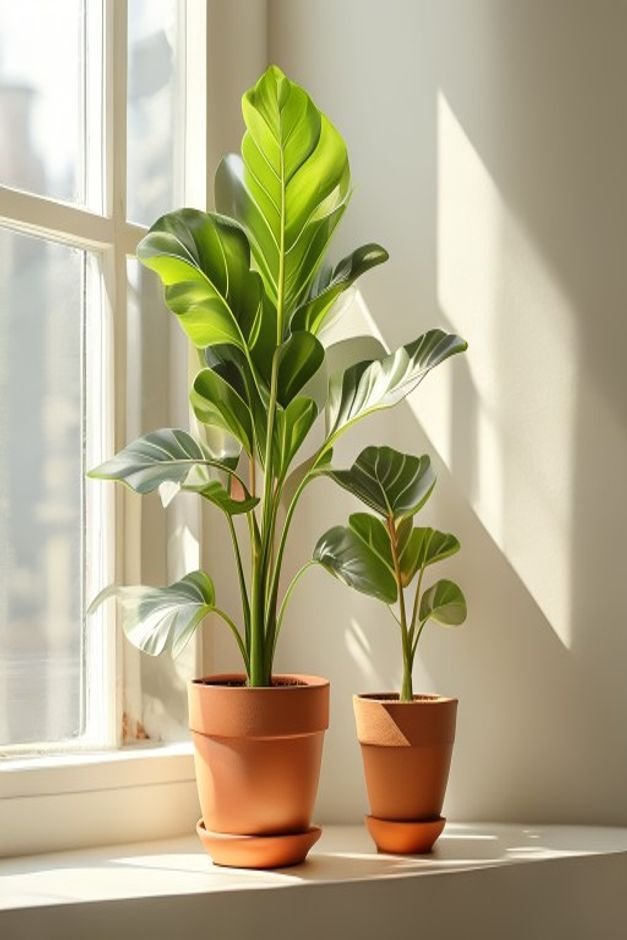
Bringing the outdoors in is one of the simplest, most effective ways to infuse life and freshness into any room decor. Plants and fresh flowers add color, texture, and a natural, organic element that instantly makes a space feel more vibrant and alive.
They also contribute to a sense of calm and well-being.
Consider a large statement plant, like a fiddle leaf fig or a snake plant, in a stylish pot to anchor a corner or fill an empty space. For smaller touches, place potted succulents on shelves or a collection of herbs on a kitchen windowsill.
Fresh cut flowers, even a simple bunch from the grocery store, can brighten a dining table or bedside stand.
Beyond their aesthetic appeal, plants improve air quality and add a soothing presence. Choose plants that suit your light conditions and commit to their care. The visual impact of healthy, thriving greenery is undeniable.
Upgrade Your Window Treatments
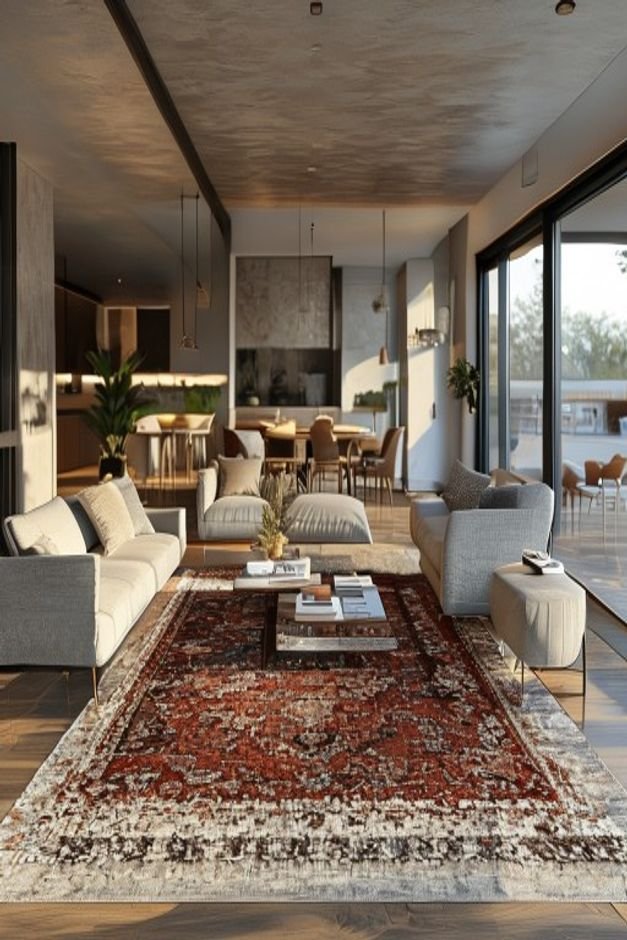
Bare windows can make a room feel unfinished, while poorly chosen or hung window treatments can detract from the overall aesthetic. Upgrading your
curtains, blinds, or shades is a low-effort change that can dramatically improve your room decor by adding softness, privacy, and a polished look.
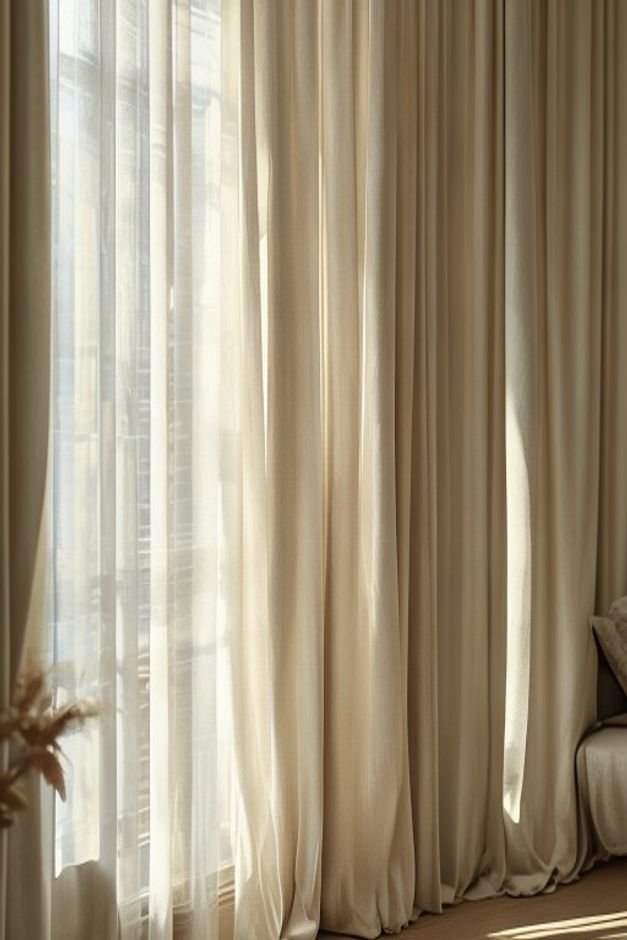
When hanging curtains, always go wide and high. Extend your curtain rod 6-12 inches beyond the window frame on each side and hang it as close to the ceiling as possible.
This makes the window appear larger and the ceilings taller, creating a more expansive feel.
Choose fabrics and styles that complement your existing decor. Linen or cotton drapes in a neutral color offer a timeless elegance. For a sleek look, consider Roman shades or natural woven blinds. The right window treatment provides both functional benefits and a significant aesthetic upgrade.
Define Spaces with Rugs
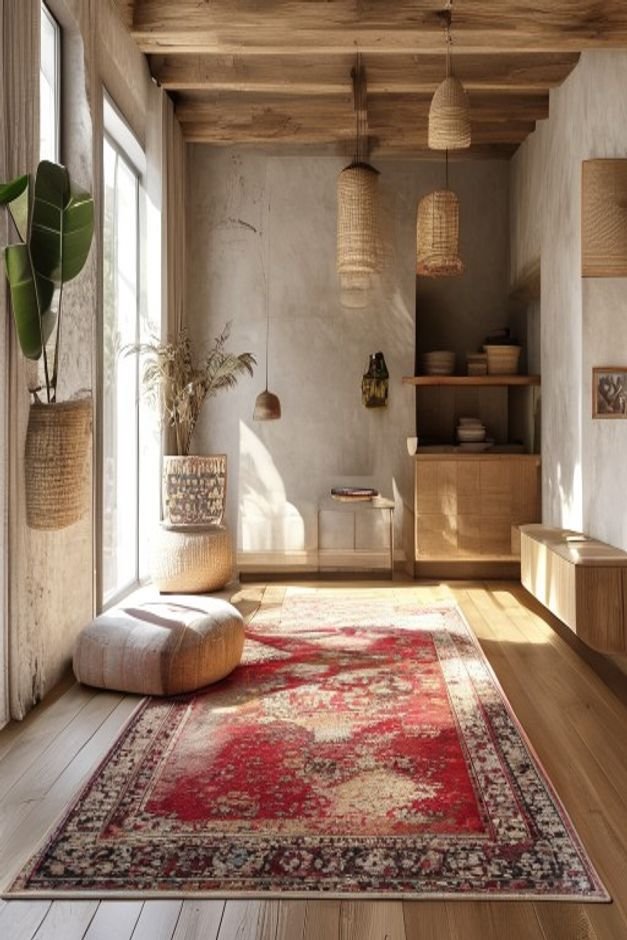
In open-concept homes or larger rooms, an area rug is not just a floor covering; it’s a powerful design tool that defines zones, adds warmth, and injects color and pattern. Without a rug, furniture can feel like it’s floating, lacking an anchor.
This is a fundamental element of cohesive room decor.
The key is choosing the right size. For a living room, a rug should be large enough so that at least the front two legs of all main furniture pieces (sofa, armchairs) sit on it.
Ideally, all legs of all furniture should be on the rug for a truly grounded look.
In a dining room, the rug should extend far enough so that chairs remain on the rug even when pulled out. A rug can instantly ground
a seating arrangement, add a layer of sound absorption, and introduce a crucial element of texture or color to tie the room together.
Edit and Declutter Regularly
Perhaps the most impactful
