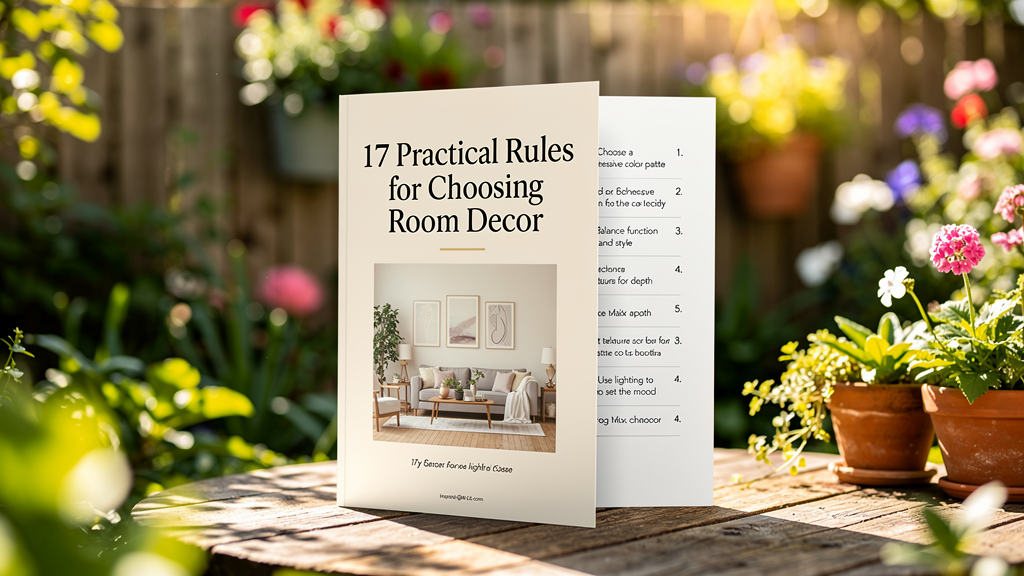
You’ve seen those rooms—the ones that feel effortlessly pulled together, where every piece seems to land exactly right. Then there are the others, where despite countless purchases, the space still feels…off.
The truth is, creating a cohesive and stylish interior isn’t about endless shopping; it’s about understanding a few fundamental principles of design. These aren’t rigid rules, but rather a practical framework to guide your choices, ensuring your room decor always looks intentional and inviting.
From the grandeur of scale to the subtlety of negative space, these 17 practical rules will equip you with a keen eye for detail and the confidence to curat
e spaces that genuinely reflect your style and elevate your home’s aesthetic. Let’s transform your approach to decorating, one thoughtful decision at a time.
1. Master the Art of Scale and Proportion
Perhaps the most crucial rule in any interior design endeavor is understanding scale and proportion. A grand room demands grand pieces; a small room is overwhelmed by them. Think about how items relate to each other and to the overall dimensions of the space.
A tiny rug in a vast living room looks lost, while an oversized sofa in a snug den can make movement impossible. Before buying, measure everything: your room, your furniture, and the decor items you’re considering.
This simple step prevents costly mistakes and ensures visual harmony.
2. Ground Your Space with Strategic Art Placement
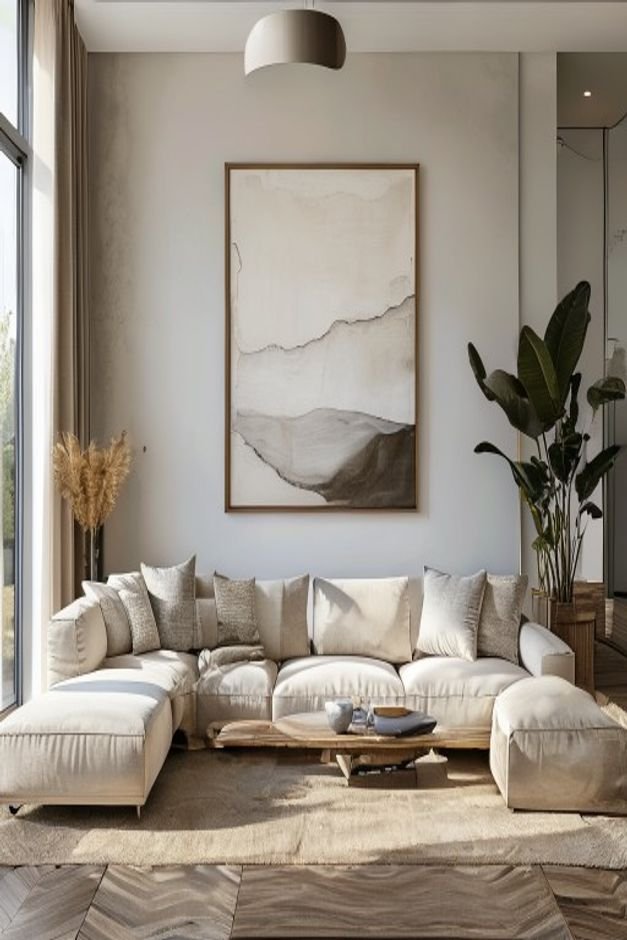
Art isn’t just an accessory; it’s a focal point that can anchor an entire room. The placement of your wall art is as important as the art itself. A common mistake is hanging art too high.
Generally, the center of your artwork should be at eye level, around 57-60 inches from the floor. When hanging above furniture, ensure there’s enough breathing room—typically 4-8 inches between the bottom of the frame and the top of the furniture piece.
This creates a visual connection and prevents the art from floating aimlessly on the wall.
3. Embrace the Power of the Gallery Wall
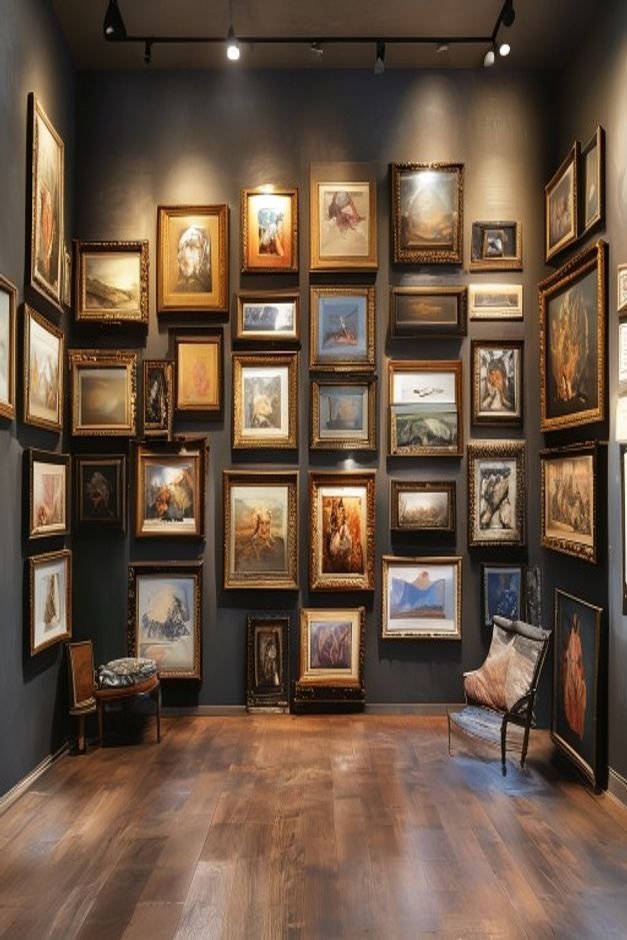
A well-executed gallery wall is more than just a collection of frames; it’s a curated statement. Instead of haphazardly placing pieces, plan your layout on the floor first. Aim for a unified shape, whether it’s a rectangle, square, or organic flow.
Mix frame sizes, textures, and art styles for visual interest, but maintain a consistent spacing between frames for cohesion. A gallery wall can beautifully fill a large expanse and tell a personal story, making it a standout feature in any room decor scheme.
4. Utilize Mirrors to Expand and Brighten
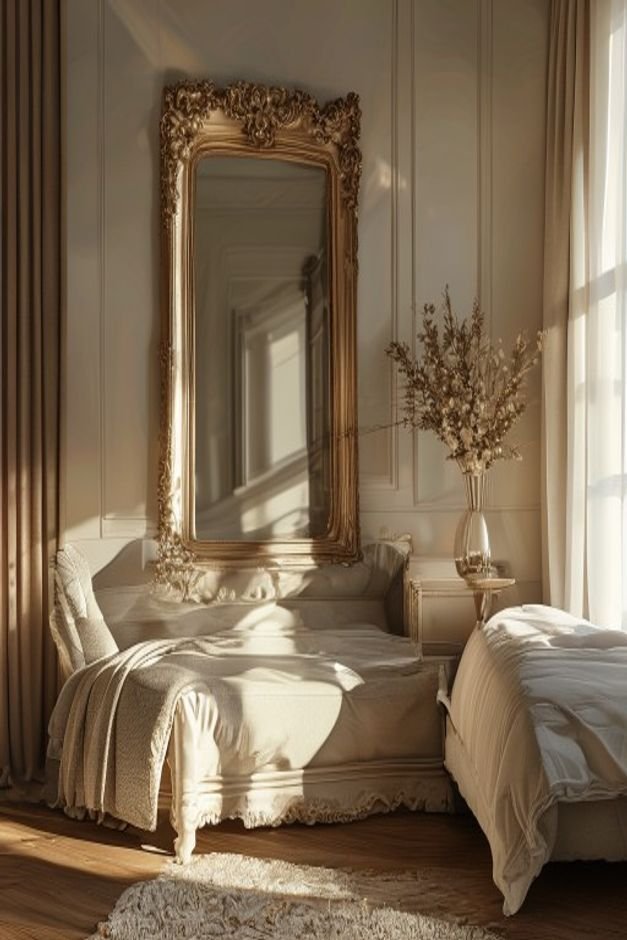
Mirrors are design chameleons. They can reflect light, making a room feel larger and brighter, or they can serve as stunning decorative elements in their own right. Place a large mirror opposite a window to amplify natural light and bring the outdoors in.
Consider an oversized mirror leaning against a wall in a smaller room to create an illusion of depth. Just be mindful of what the mirror reflects; ensure it’s a pleasing view, not a cluttered corner.
5. Curate Vignettes with the Rule of Three
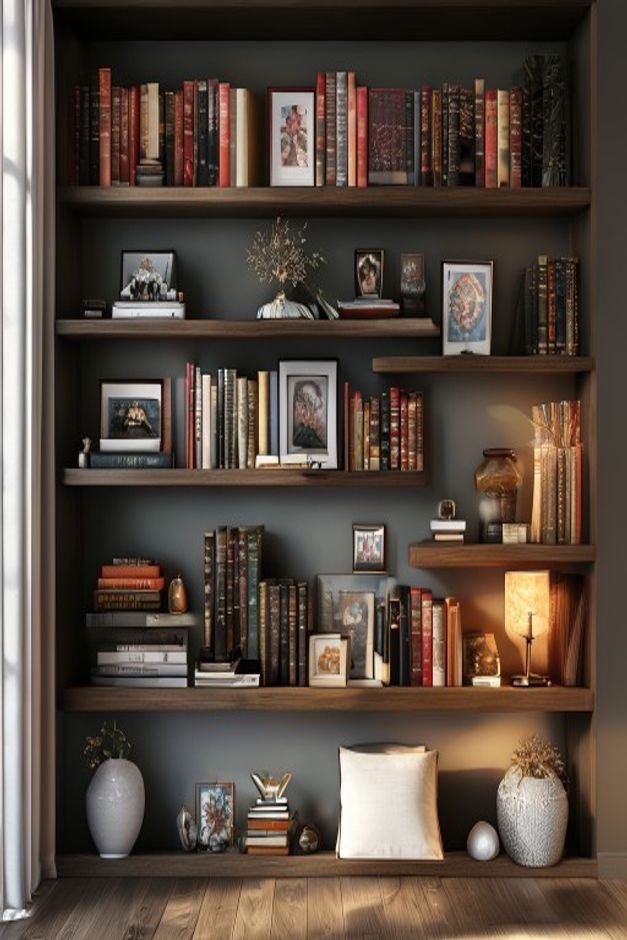
When arranging small decorative objects, the rule of three is your best friend. Group items in odd numbers—threes, fives, or sevens—to create more dynamic and visually interesting displays. This principle applies to mantelpieces, coffee tables, and bookshelves.
Vary the heights, textures, and shapes within your groupings to add depth. For example, a tall vase, a medium-sized sculpture, and a small stack of books create a balanced and appealing arrangement.
6. Layer Textures for Depth and Warmth
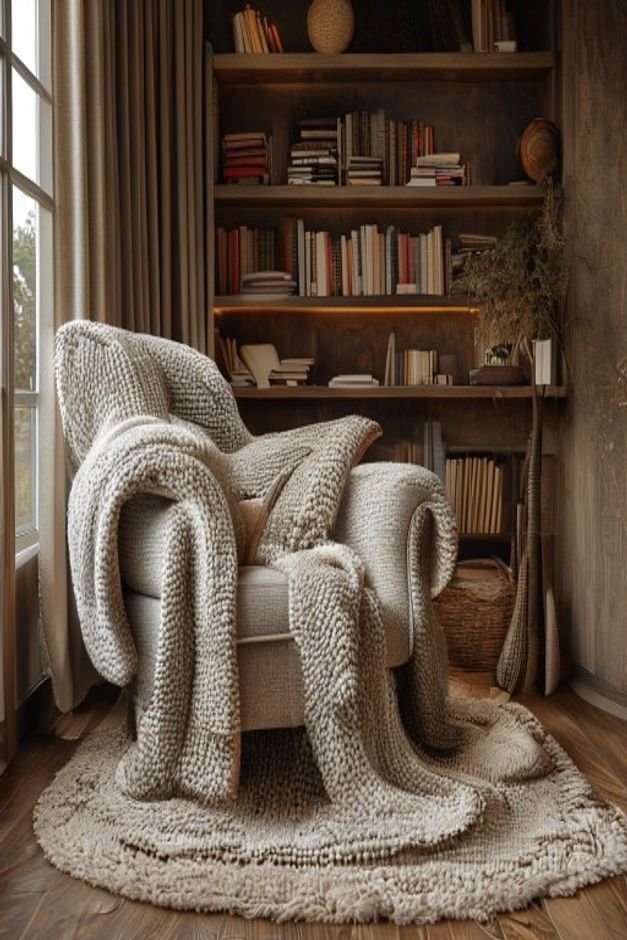
A room can fall flat without texture. Introduce a variety of materials to add visual and tactile interest, preventing the space from feeling sterile. Think beyond smooth surfaces.
Incorporate chunky knits, plush velvets, rough linens, woven baskets, and natural wood. Layering textures through throw blankets, rugs, pillows, and upholstered furniture creates a rich, inviting atmosphere that feels deeply comfortable and visually complex.
7. Don’t Underestimate Negative Space in Your Room Decor
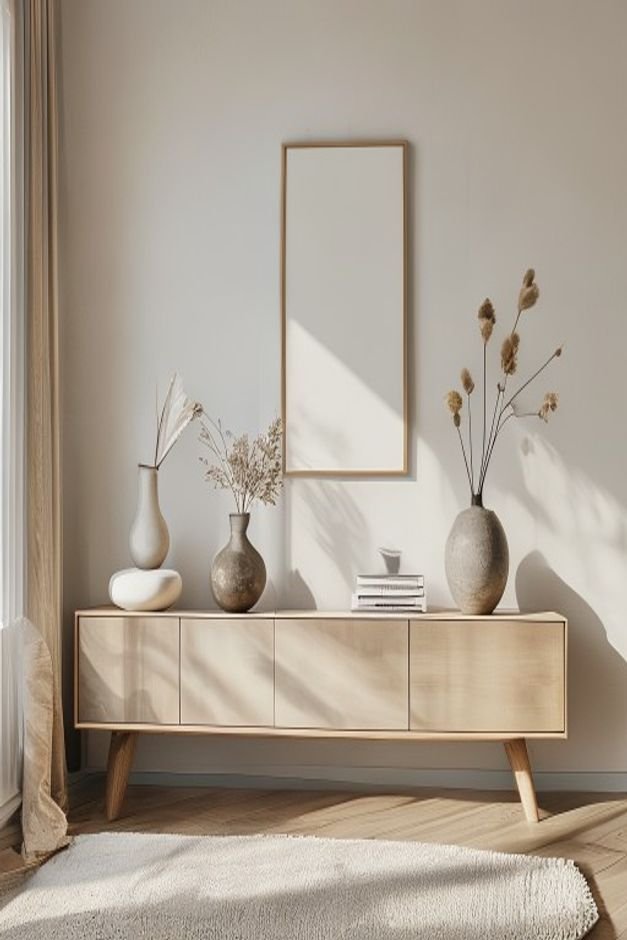
Just as important as what you put into a room is what you leave out. Negative space—the empty areas around and between objects—allows your decor to breathe and prevents clutter.
It gives the eye a place to rest and emphasizes the pieces you’ve chosen to highlight.
Resist the urge to fill every shelf or wall. A single, impactful piece of art on a large wall can be far more powerful than a dozen smaller, less significant items. Embrace simplicity to create sophistication.
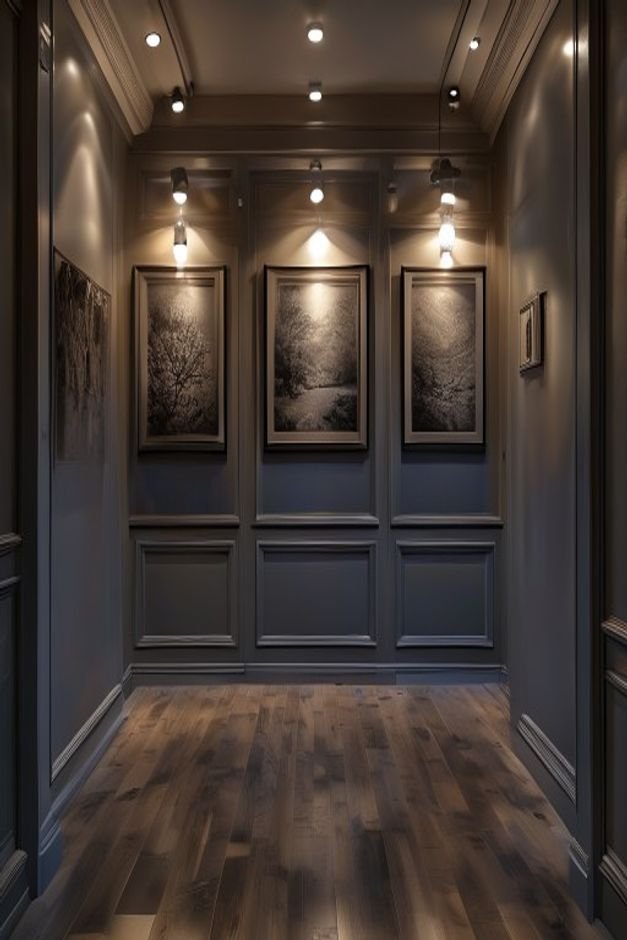
8. Embrace Thoughtful Lighting as Decor
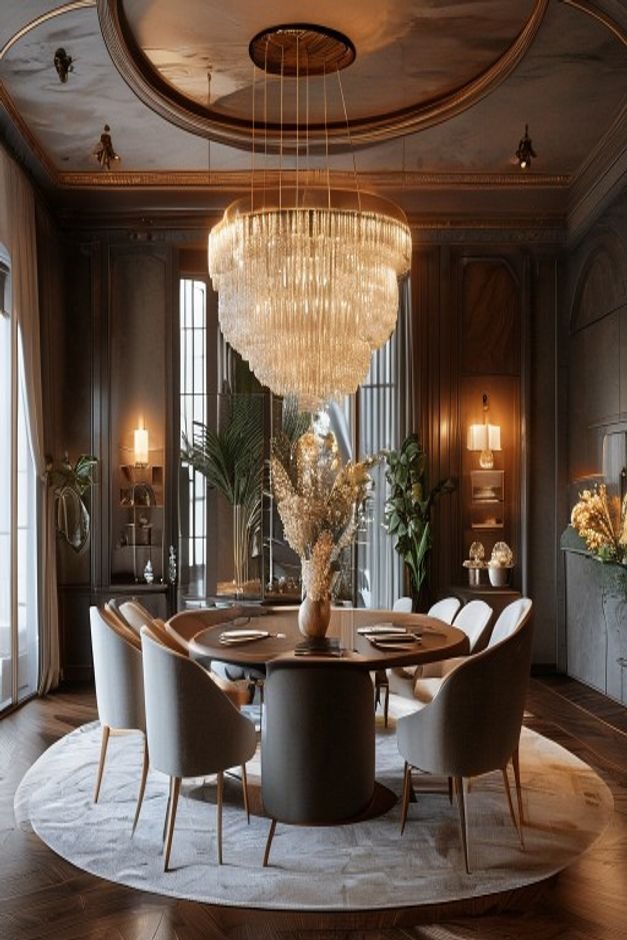
Lighting is often overlooked as a decorative element, yet it profoundly impacts a room’s mood and functionality. Beyond overhead fixtures, incorporate various light sources: floor lamps, table lamps, and wall sconces. This layering creates depth and allows you to adjust the ambiance for different activities.
Consider the style of your lighting fixtures as part of your overall room decor. A sculptural lamp can be a piece of art itself, while strategically placed accent lighting can highlight artwork or architectural features.
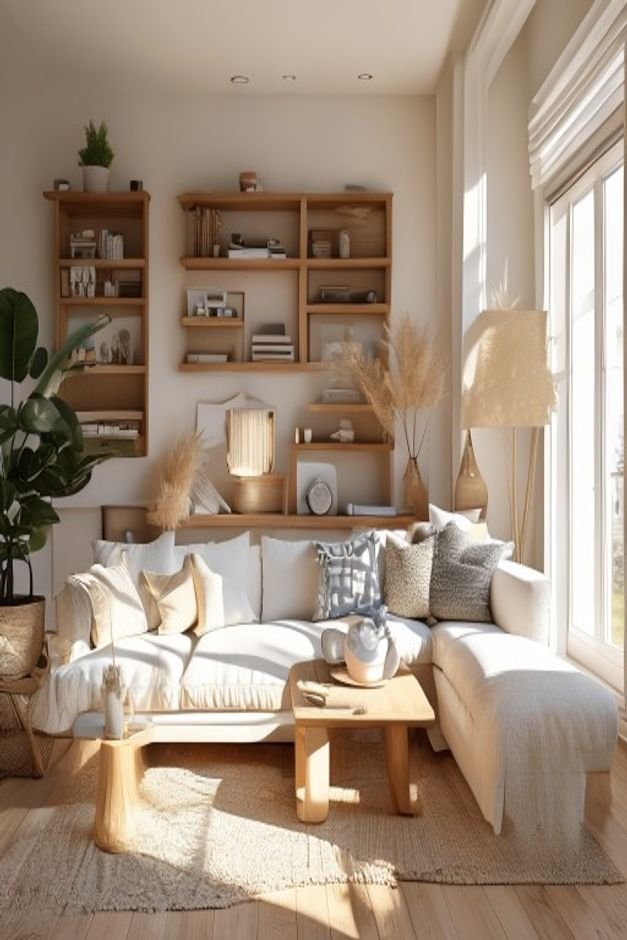
9. Personalize Your Space with Intentional Collections
Your home should tell your story. Incorporate items that hold personal meaning, whether they are travel souvenirs, family photos, or cherished heirlooms. However, the key is curation, not accumulation.
Instead of scattering personal items throughout the room, group them into thoughtful collections. Displaying a collection of antique cameras or a series of framed postcards from your travels can create a strong visual impact and add a unique, personal touch to your room decor.
Conclusion: Curate with Confidence
Designing a beautiful room is an iterative process, but with these 17 practical rules, you now have a solid foundation. Focus on understanding scale, embracing strategic placement, and layering textures.
Remember that every piece of room decor you choose contributes to the overall narrative of your home.
By applying these principles, you’ll move beyond simply filling a space to truly curating an environment that is balanced, personal, and utterly inviting. Trust your eye, experiment, and enjoy the process of creating spaces you love.
