Introduction
We’ve all walked into a room that feels effortlessly ‘done’ – every piece seems to belong, creating a sense of calm and completeness. Then there are other spaces, perhaps even our own, where despite good intentions and stylish pieces, something just feels… off.
It’s not about buying more; it’s about making what you have, and what you add, work harder.
The secret to that coveted finished look often lies in thoughtful details, proper scale, and strategic placement. These aren’t grand renovations, but accessible upgrades that refine your existing room decor and elevate the entire space.
From the way you hang art to the hardware you choose, small shifts can make a monumental difference.
1. Anchor Your Space with a Large Rug
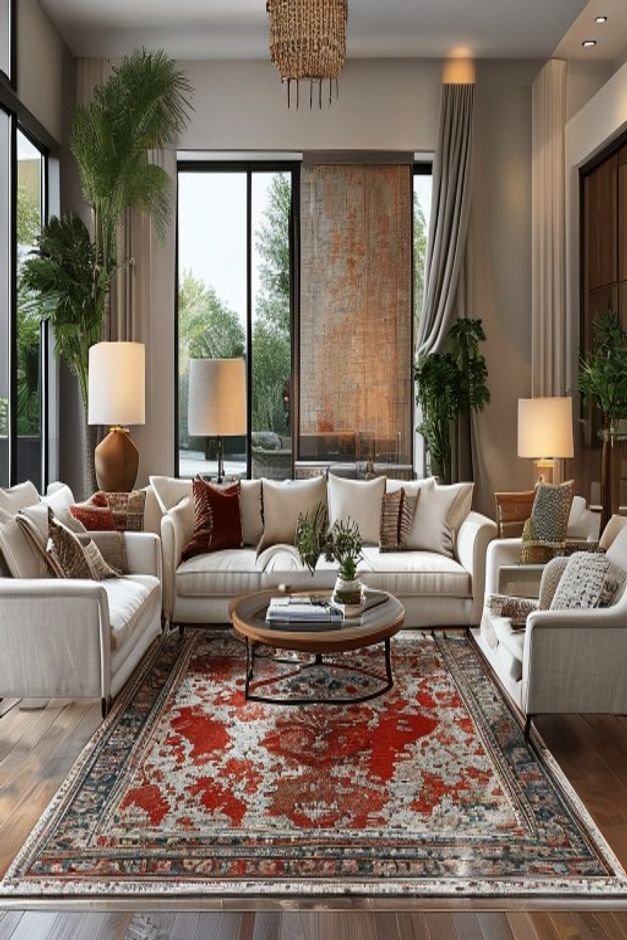
A common mistake in room decor is choosing a rug that’s too small for the space. A rug acts as the anchor for your furniture arrangement, defining zones and adding warmth.
When a rug is too diminutive, it can make the entire room feel ungrounded and disconnected.
Aim for a rug size that allows at least the front two legs of your main furniture pieces (like a sofa and armchairs) to rest on it.
In a dining room, ensure the rug is large enough for all chair legs to remain on the rug even when pulled out. This creates a cohesive footprint and instantly makes the area feel more substantial and finished.
2. Master the Art of Gallery Walls
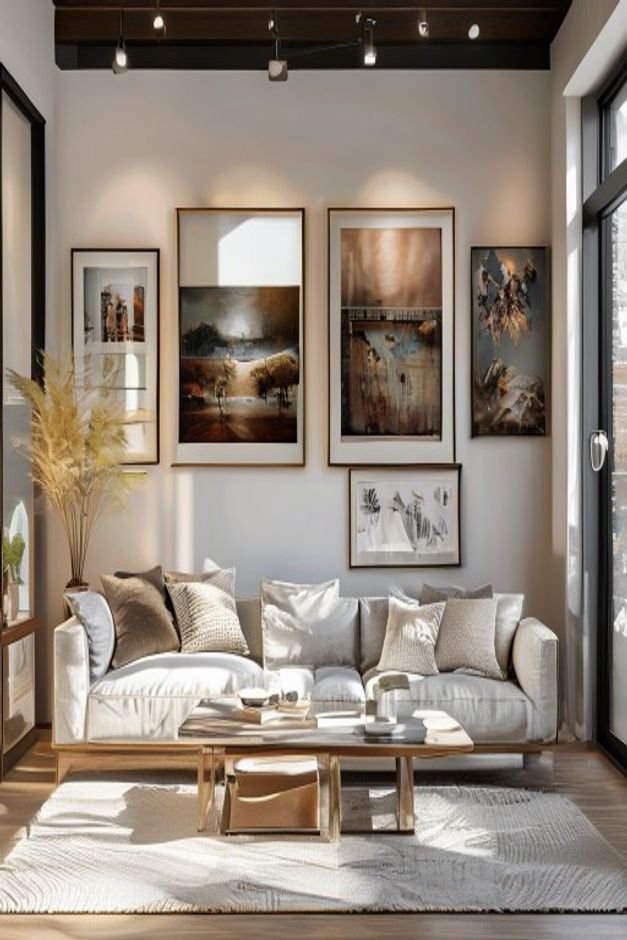
Gallery walls are a powerful tool for adding personality and visual interest, but a haphazard collection can quickly look messy. The key to a polished gallery wall lies in thoughtful planning and execution.
Start by laying out your frames on the floor to experiment with different arrangements and ensure proper spacing.
Consider a consistent element, such as frame color, matting, or even the subject matter, to create cohesion. Maintain consistent spacing between frames for a clean, intentional look.
A well-executed gallery wall draws the eye and transforms a blank wall into a curated statement piece, tying together various elements of your room decor.
3. Add Impact with Oversized Art
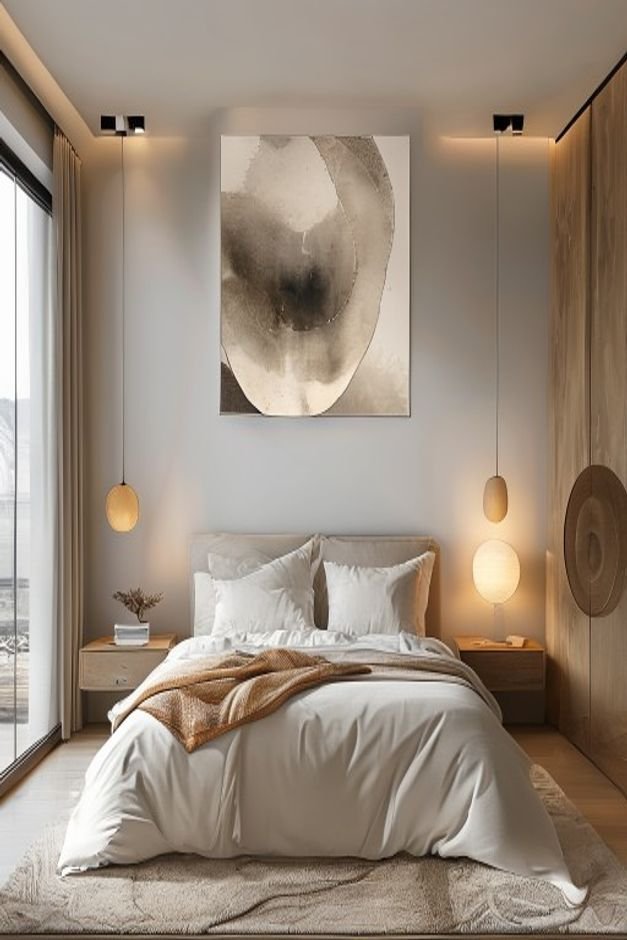
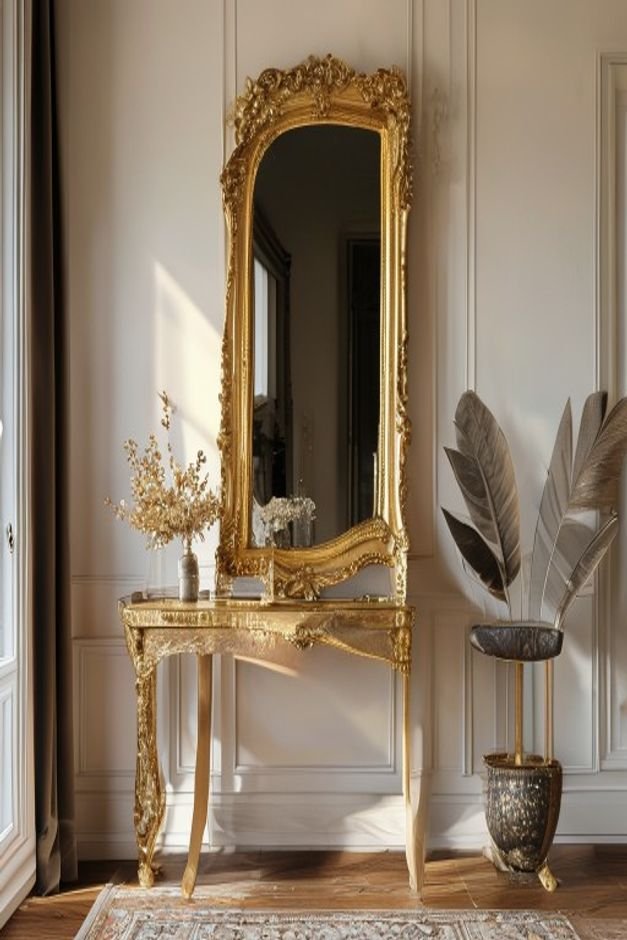
Sometimes, less is more, especially when it comes to wall art. Instead of several small pieces, consider one large-scale artwork that commands attention. An oversized canvas or framed print can serve as a powerful focal point, instantly grounding a wall and adding significant visual weight.
This approach avoids visual clutter and creates a sense of drama and sophistication. Choose a piece that speaks to you and complements your existing palette.
When hung correctly – ideally at eye level with the center of the piece – large art can make a room feel grander and more thoughtfully designed.
4. Integrate Reflective Surfaces
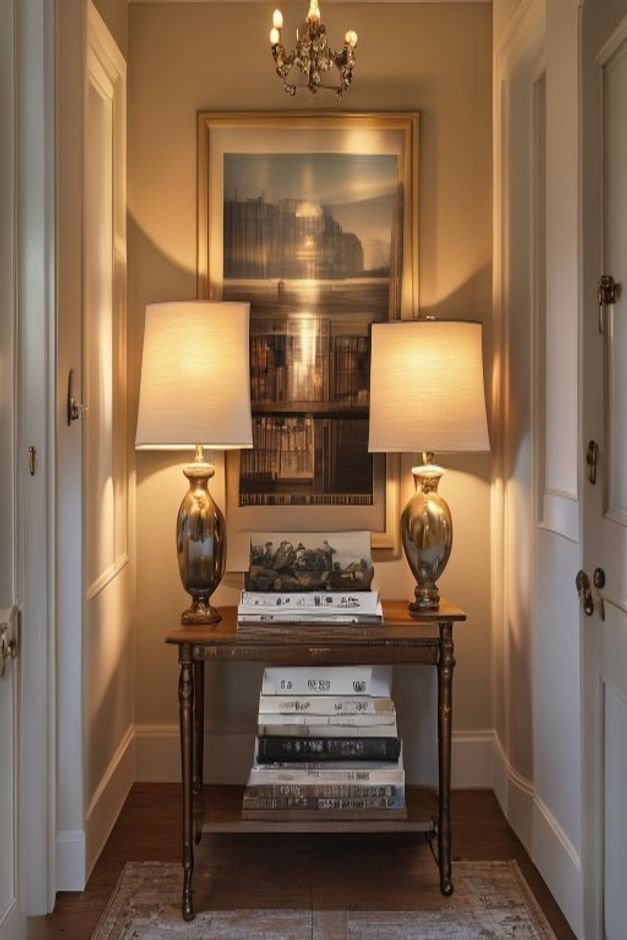
Mirrors are more than just functional items; they are design elements that can dramatically influence a room’s perceived size and light. Strategic placem
ent of mirrors can open up a space, reflect natural light, and even bounce light from artificial sources, making a room feel brighter and more expansive.
Consider hanging a large mirror opposite a window to maximize light reflection, or use a decorative mirror as a focal point above a console table or fireplace. The frame itself can also be a significant piece of room decor, adding texture and style.
A well-placed mirror is a simple yet effective way to add depth and a touch of elegance.
5. Curate Your Console and Side Tables
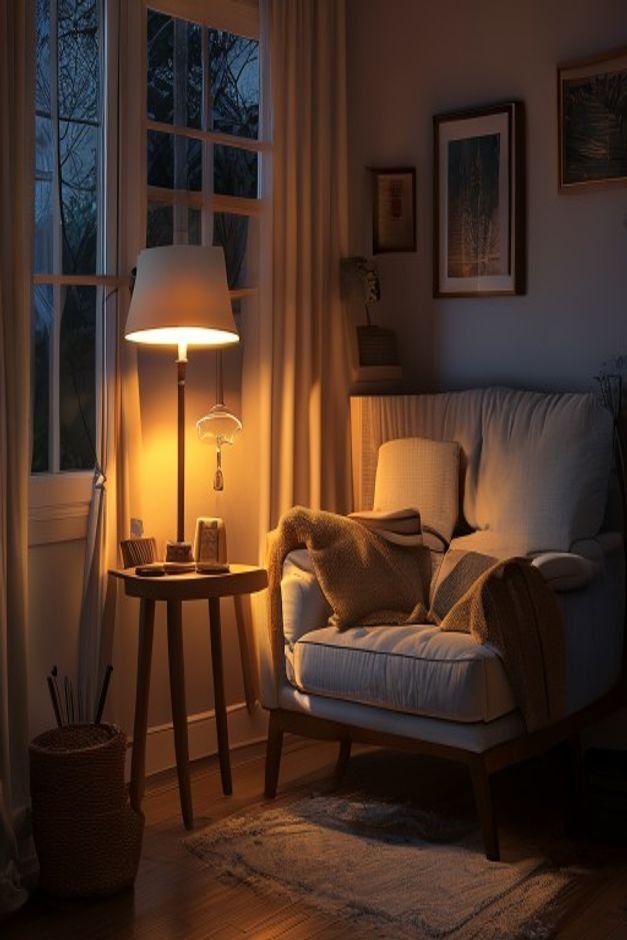
Flat surfaces like console tables, side tables, and nightstands are prime opportunities for curated vignettes. Resist the urge to simply place items randomly. Instead, think of these surfaces as small stages for intentional styling.
Group items in odd numbers (threes and fives often work best) and vary their heights and textures.
Combine practical items like lamps with decorative objects such as books, sculptural pieces, or small plants. Create balance without being perfectly symmetrical. This thoughtful layering of objects makes these surfaces feel purposeful and complete, adding layers of interest to your overall room decor.
6. Layer Lighting Thoughtfully
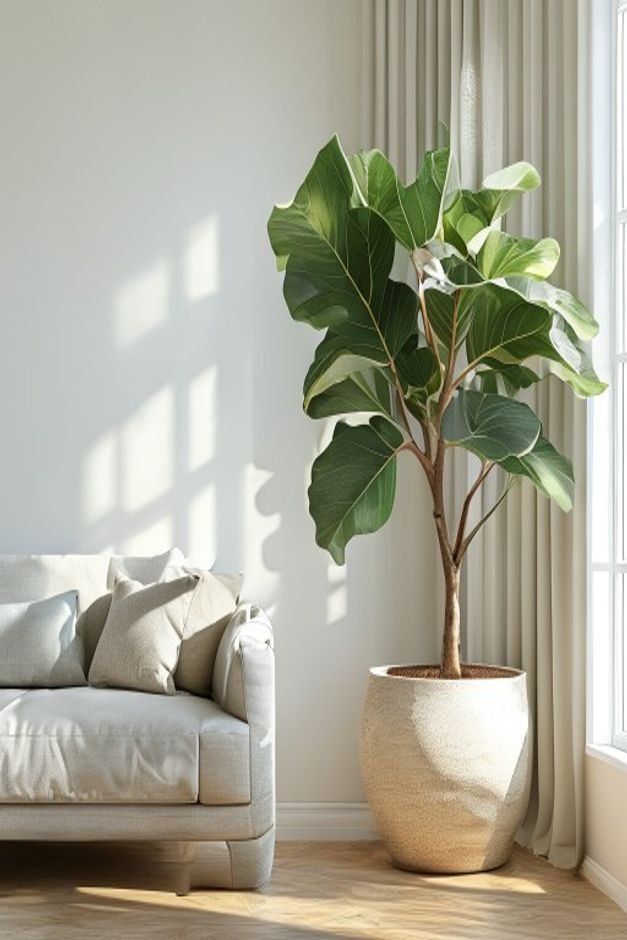
Relying solely on overhead lighting is a common design oversight that leaves rooms feeling flat and uninviting. A truly finished space incorporates layered lighting: ambient, task, and accent.
Ambient lighting provides overall illumination, task lighting supports specific activities, and accent lighting highlights architectural features or art.
Combine floor lamps, table lamps, and sconces to create different pockets of light and shadow, adding depth and warmth. Dimmers are an excellent addition, allowing you to control the mood and intensity of your lighting.
Thoughtful lighting design contributes significantly to the ambiance and perceived completeness of a room.
7. Embrace the Power of Plants
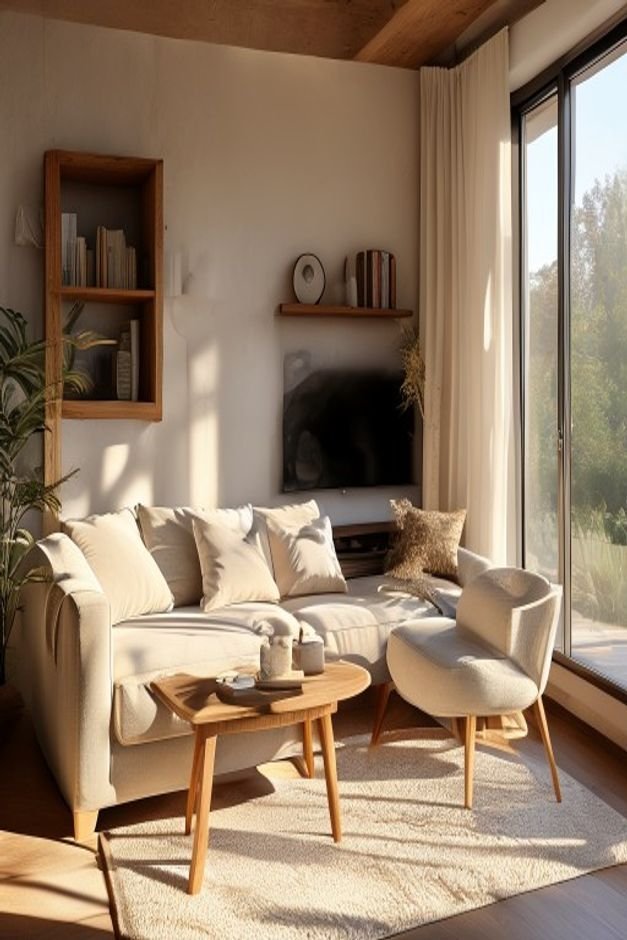
Bringing natural elements into a space instantly adds life, texture, and a sense of freshness. Plants, whether large floor specimens or smaller potted varieties, introduce organic shapes and vibrant color that can soften hard lines and fill empty corners.
They literally breathe life into your room decor.
Choose plants that suit your light conditions and lifestyle. A tall plant can draw the eye upward, while a trailing plant can add softness to a shelf or mantel. The right planter can also be a decorative element itself, enhancing the overall aesthetic.
Incorporating greenery makes a room feel more alive and cared for.
8. Choose Hardware with Intention
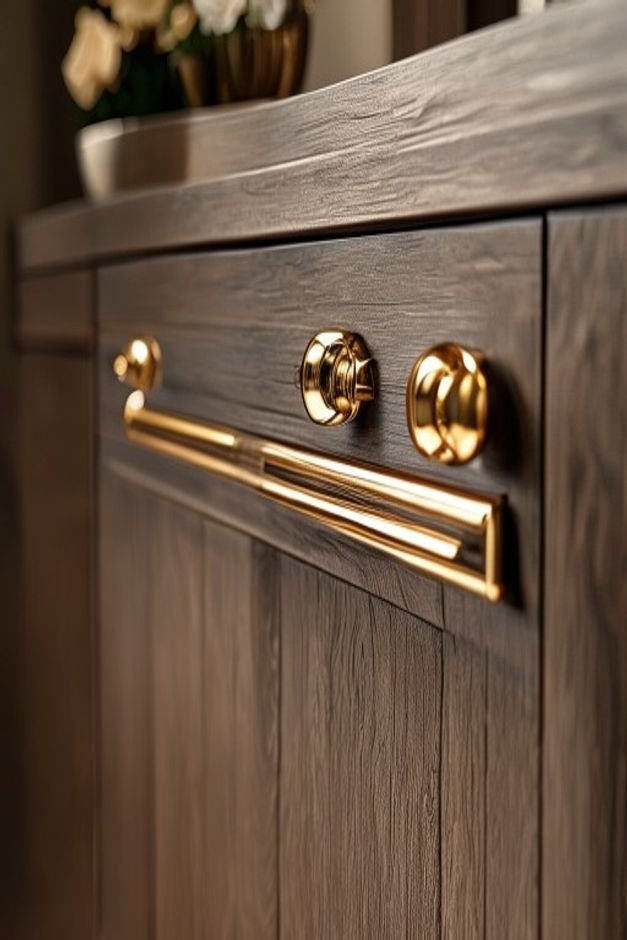
The small details often make the biggest difference. Hardware on cabinets, drawers, and even curtains can dramatically impact the perceived quality and finish of a piece of furniture or an entire room. Generic or outdated hardware can detract from an otherwise well-designed space.
Upgrading pulls, knobs, or curtain rods to something more substantial, modern, or simply more fitting with your aesthetic is an easy and impactful change.
Consider the finish – brass, matte black, or brushed nickel – and how it harmonizes with other metallic elements in the room. This small investment can make built-ins and furniture feel custom and complete.
9. The Smart Placement of Room Decor
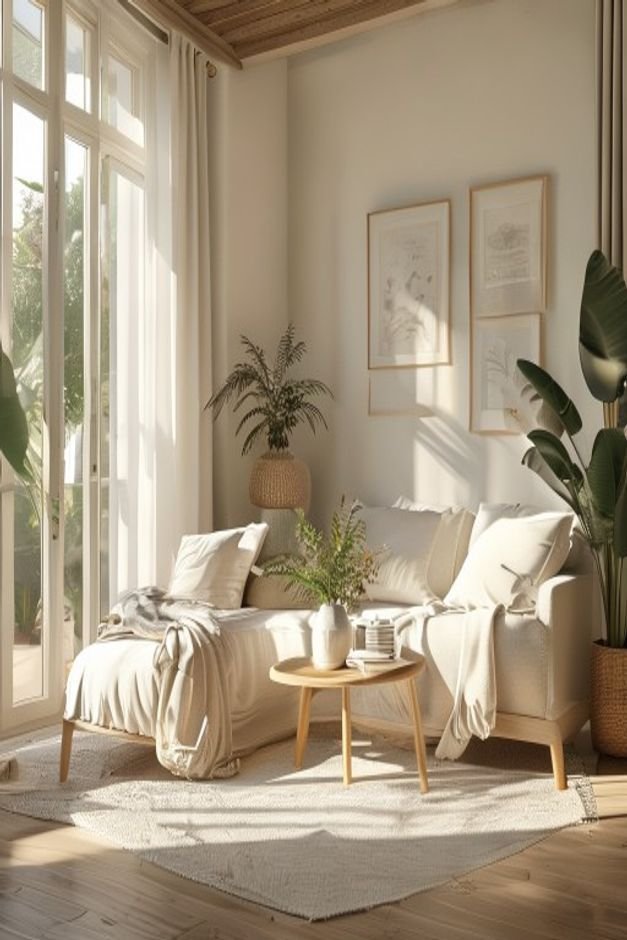
Beyond individual items, the overall arrangement and flow of your room decor are crucial. Consider the pathways through the room and ensure furniture is not blocking natural movement. Create conversation areas that feel intimate but not cramped.
Balance is key: distribute visual weight evenly throughout the space.
Avoid pushing all furniture against the walls; pulling pieces slightly away can create a more inviting and dynamic arrangement. Think about how each piece relates to its neighbors and to the room as a whole.
Thoughtful placement ensures both functionality and aesthetic appeal, making the room feel intuitively correct.
A Polished Finish for Every Room
Creating a truly finished space isn’t about grand gestures or expensive overhauls; it’s about understanding how individual pieces of room decor interact.
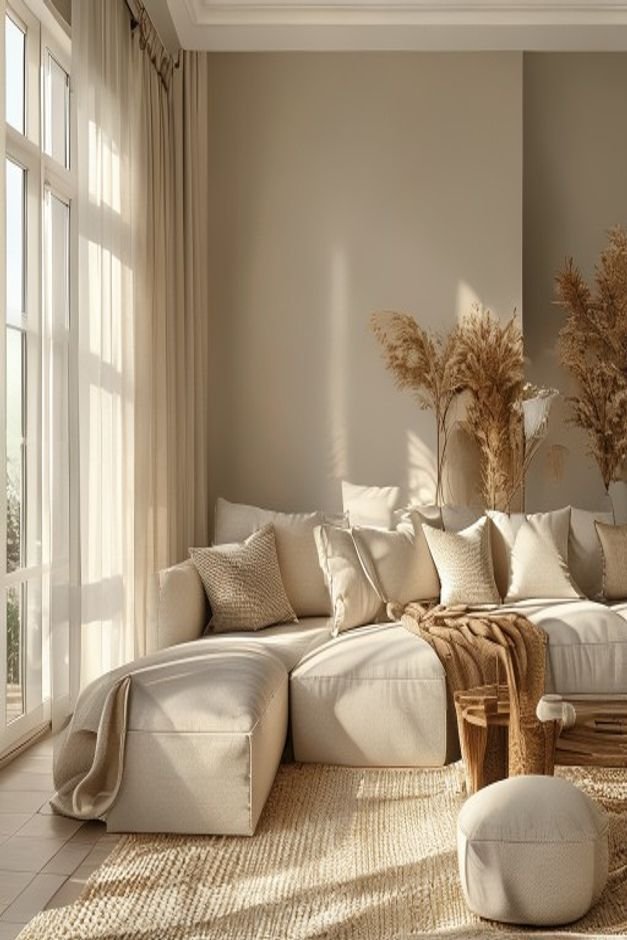
By paying attention to scale, light, texture, and the intentional placement of every item, you can transform a collection of objects into a cohesive, inviting, and utterly polished environment.
These small, thoughtful upgrades are the secret to a home that feels effortlessly complete, reflecting your unique style with understated confidence.
