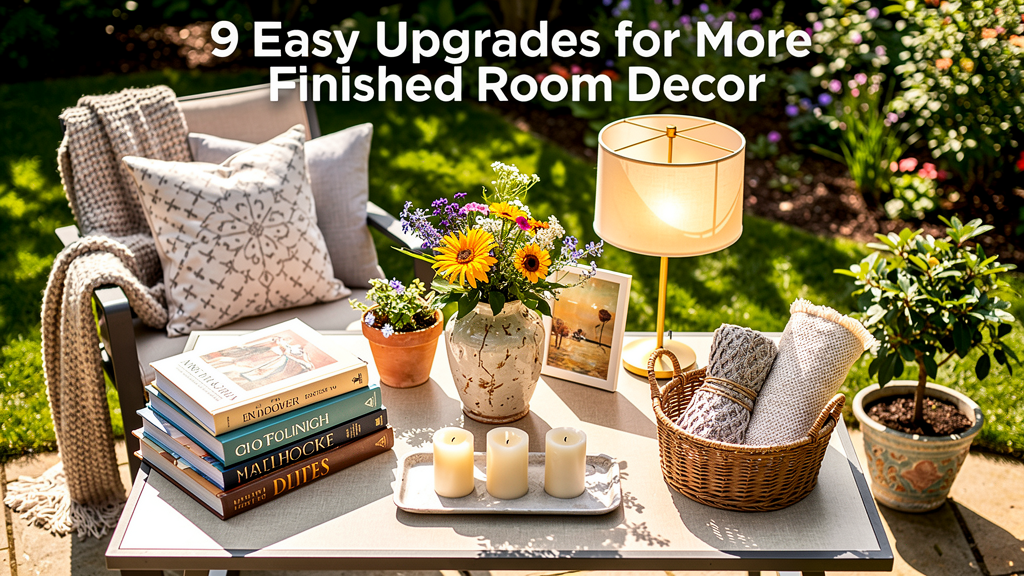
You’ve spent time selecting furniture, choosing a paint color, and arranging your main pieces. Yet, despite your best efforts, a room can sometimes feel like it’s missing that elusive final touch.
It’s not unfinished, exactly, but it lacks the intentionality and polish that truly makes a space sing. This common design dilemma often comes down to the details—how you treat your walls, the scale of your accessories, and the interplay of light and texture.
Achieving a truly finished look doesn’t require a massive budget or a complete redecoration. Instead, it’s about understanding a few key principles of design and applying them thoughtfully.
These subtle shifts can have a dramatic impact, transforming a good room into one that feels effortlessly curated and deeply inviting. We’ll walk through nine easy upgrades to refine your room decor and give your home that coveted, polished feel.
Mastering Art Placement and Scale
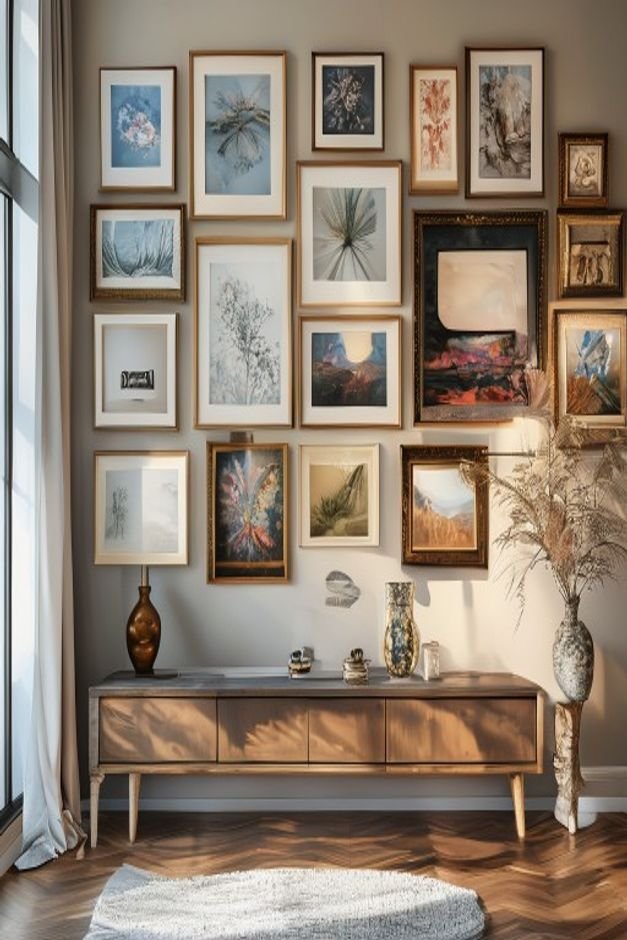
Many homeowners struggle with art, often hanging pieces too small or too high for the wall. The right art placement and scale are fundamental to a finished room.
As a general rule, artwork should be hung so its center is at eye level for an average person, typically around 57 to 60 inches from the floor.
When hanging art above furniture, ensure the piece is at least two-thirds the width of the furniture it’s above. For a gallery wall, treat the entire collection as one large piece, maintaining consistent spacing between frames, usually 2 to 4 inches.
This creates cohesion and prevents the wall from looking disjointed. Consider the visual weight of your art; a single large statement piece can be more impactful than several small, scattered ones.
The Strategic Power of Mirrors
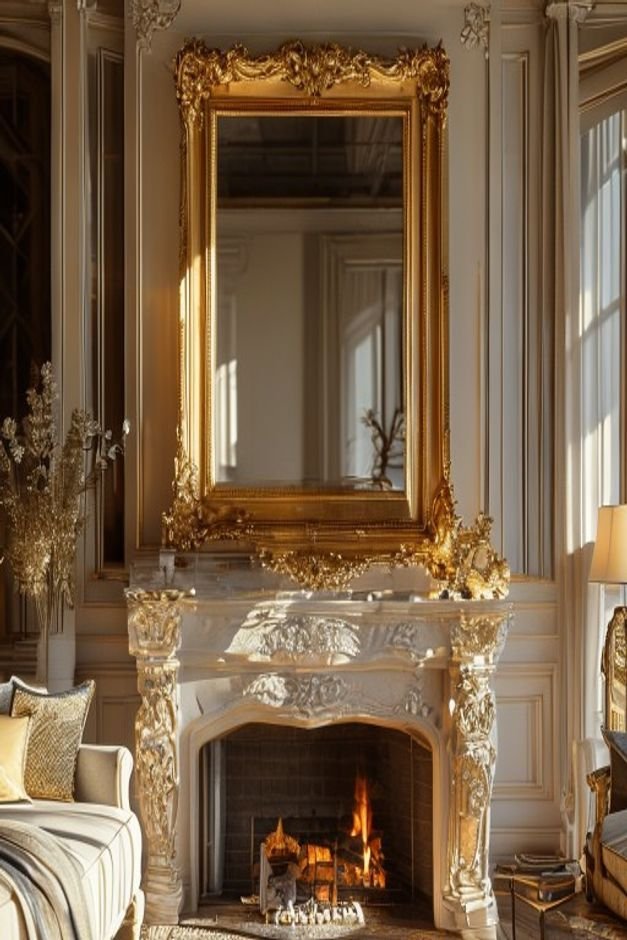
Mirrors are not just for checking your reflection; they are powerful design tools that can dramatically enhance your room decor. A well-placed mirror can make a small room feel larger, amplify natural light, and introduce architectural interest. Think beyond the bathroom and entryway.
Place a large mirror opposite a window to bounce light deeper into the room, or use one to reflect a beautiful view or a striking piece of furniture.
The frame of the mirror is just as important as its reflective quality; choose a style that complements your existing decor, whether it’s an ornate gold, a sleek modern metal, or a rustic wood.
A well-chosen mirror acts as both functional decor and a piece of art.
Thoughtful Layering with Lighting
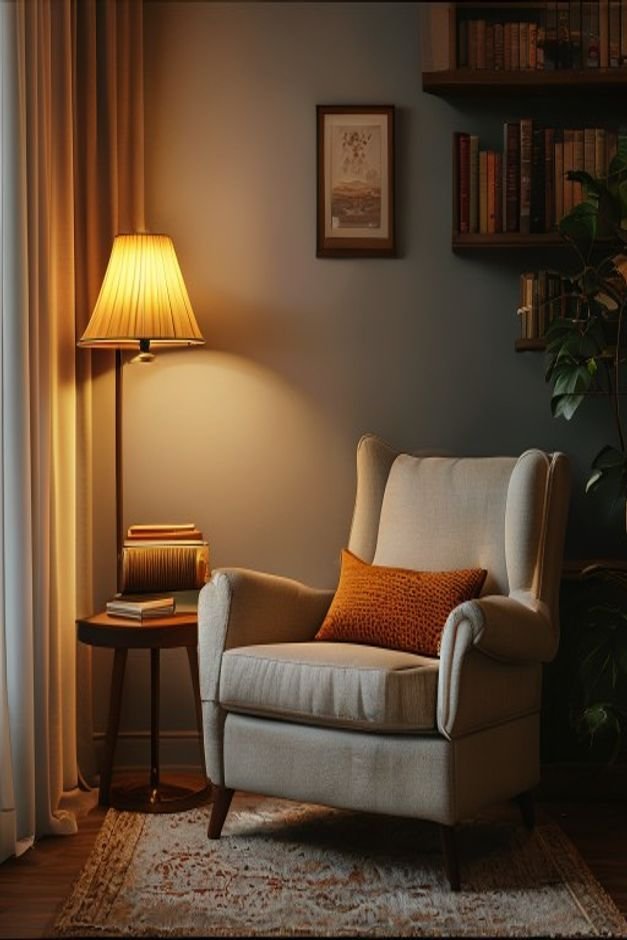
Good lighting is often overlooked, yet it’s crucial for creating a finished and functional space. A single overhead fixture rarely provides adequate illumination or ambiance. Instead, think about layering your lighting to create depth and warmth.
Combine ambient lighting (like recessed lights or a ceiling fixture) with task lighting (such as reading lamps or under-cabinet lights) and accent lighting (like picture lights or wall sconces). Introduce dimmer switches to control the intensity and mood.
The right mix of light sources at different heights can transform a room from flat to inviting, making specific areas feel purposeful and cozy.
Curated Vignettes and Surfaces
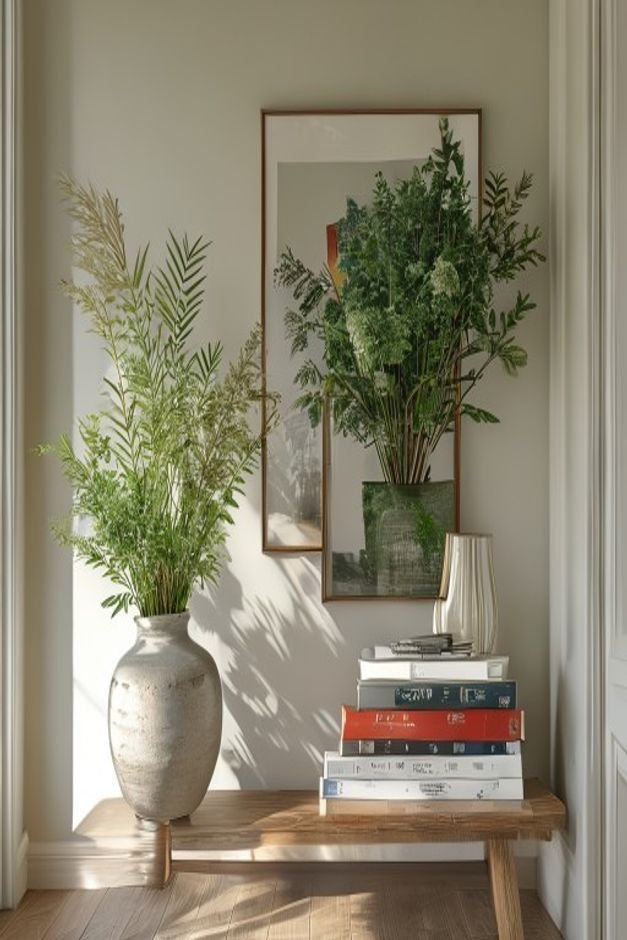
Empty surfaces can make a room feel unfinished, while cluttered ones feel overwhelming. The key is to create curated vignettes—small, intentional arrangements of objects that tell a story. This applies to coffee tables, console tables, bookshelves, and nightstands.
When styling, aim for balance and visual interest. Combine items of varying heights, textures, and forms. Think about grouping objects in odd numbers, like three or five. Incorporate personal touches, such as a favorite book, a small plant, or a meaningful souvenir.
These small compositions add personality and depth, making a room feel lived-in and thoughtfully designed.
Integrating Textiles and Textures
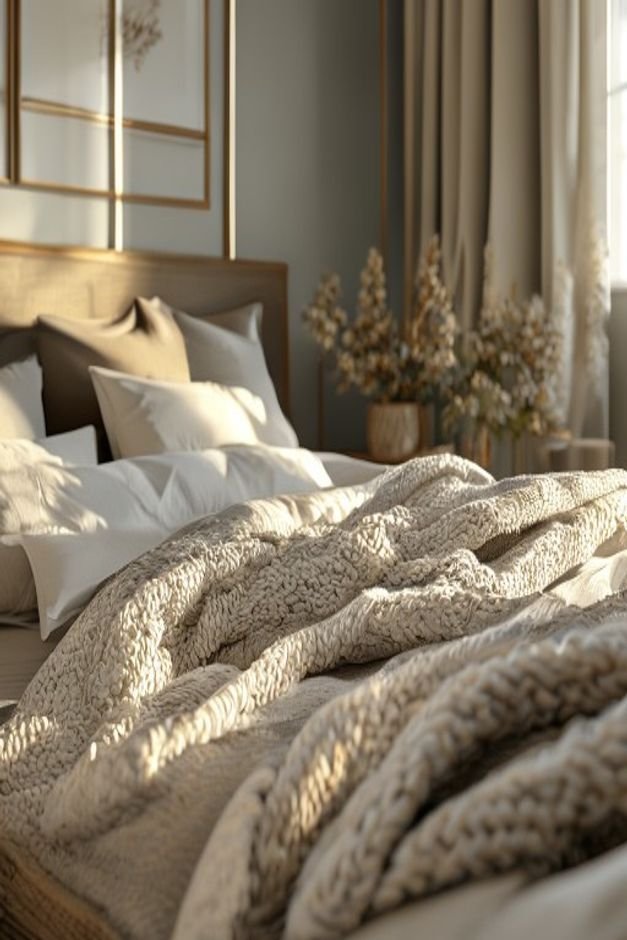
A room without varied textiles can feel stark and unwelcoming. Introducing different textures through fabrics is one of the easiest ways to add warmth, depth, and a finished feel to your room decor. Consider the interplay of soft and rough, smooth and nubby.
Layer throw pillows in various fabrics—think linen, velvet, knit, and faux fur—on sofas and chairs. Drape a chunky knit throw over an armchair or at the foot of a bed. Choose curtains with a rich drape, like linen or velvet, rather than flimsy sheer panels.
Even smaller elements, like a woven basket or a ceramic vase, contribute to the tactile richness of a space, making it feel more inviting and complete.
Architectural Details and Wall Moldings
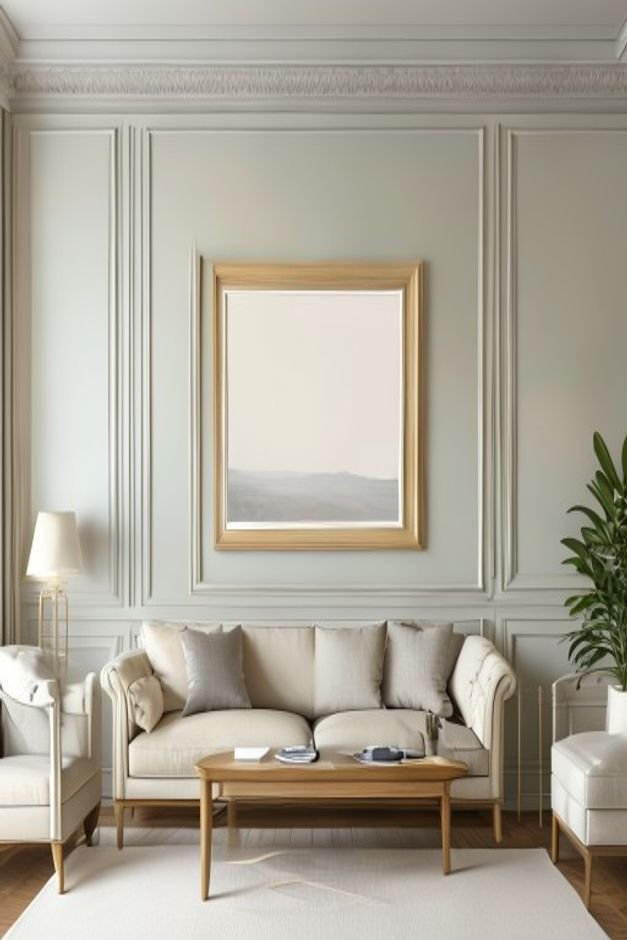
For rooms that feel a bit too plain, adding architectural details can make a significant difference. Wall moldings, such as crown molding, wainscoting, or picture rails, instantly elevate a space, giving it a sense of history and bespoke craftsmanship.
These details add visual interest and a custom feel that can’t be achieved with paint alone.
Even in a modern home, subtle wall paneling can add character and structure. You can paint these moldings in the same color as your walls for a subtle, sophisticated effect, or choose a contrasting shade for a bolder statement.
These seemingly small additions contribute to the overall finished appearance, making walls feel more substantial and intentionally designed.
Thoughtful Bookshelf Styling
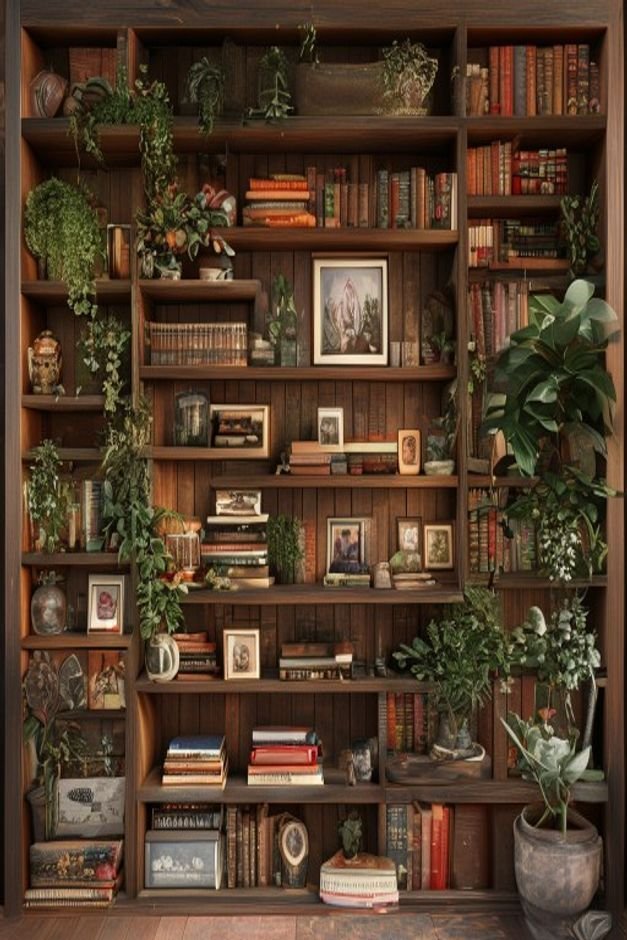
Bookshelves are not just storage; they are prime real estate for displaying your personality and adding a finished touch to your room decor. A well-styled bookshelf is a balance of books, decorative objects, and negative space.
Vary the orientation of your books—some stacked horizontally, some standing vertically. Intersperse books with curated objects like small sculptures, framed photos, or potted plants. Leave some shelves or sections with a bit of breathing room to prevent a cluttered look.
Aim for a mix of textures and materials within your display to create visual interest and depth.
Bringing in Greenery and Natural Elements
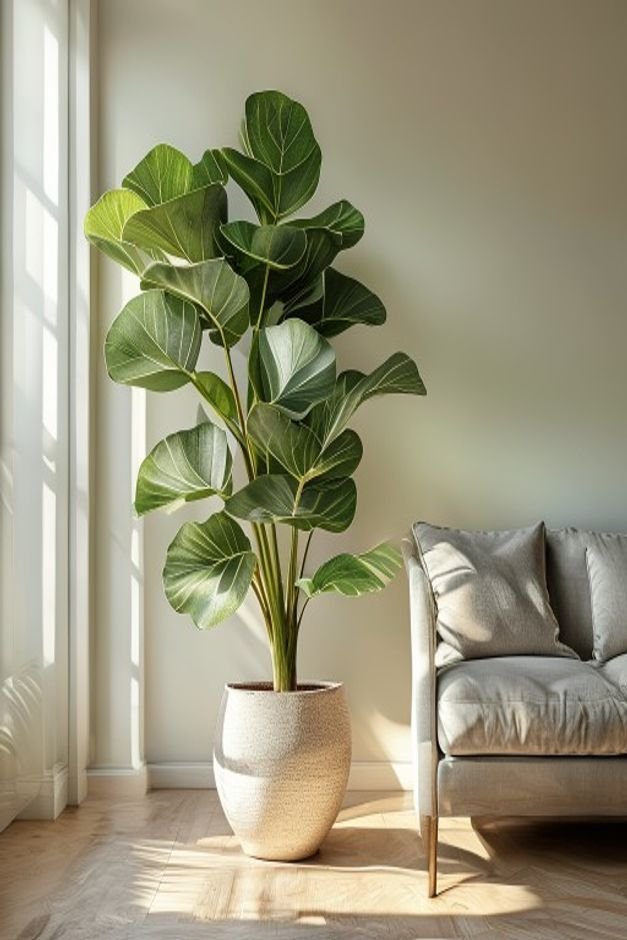
No room feels truly finished without a touch of nature. Greenery, whether it’s a large floor plant, a small potted herb, or a vase of fresh flowers, brings life, color, and organic texture into a space.
Plants instantly make a room feel more vibrant and welcoming.
Consider the scale of your plant to the room; a tall fiddle leaf fig can fill an empty corner, while a smaller succulent arrangement works well on a coffee table.
Don’t underestimate the power of cut flowers or branches from your yard to add a dynamic, fresh element. These natural touches soften hard lines and add a sense of vitality that artificial decor often can’t replicate.
The Right Rug Size and Placement
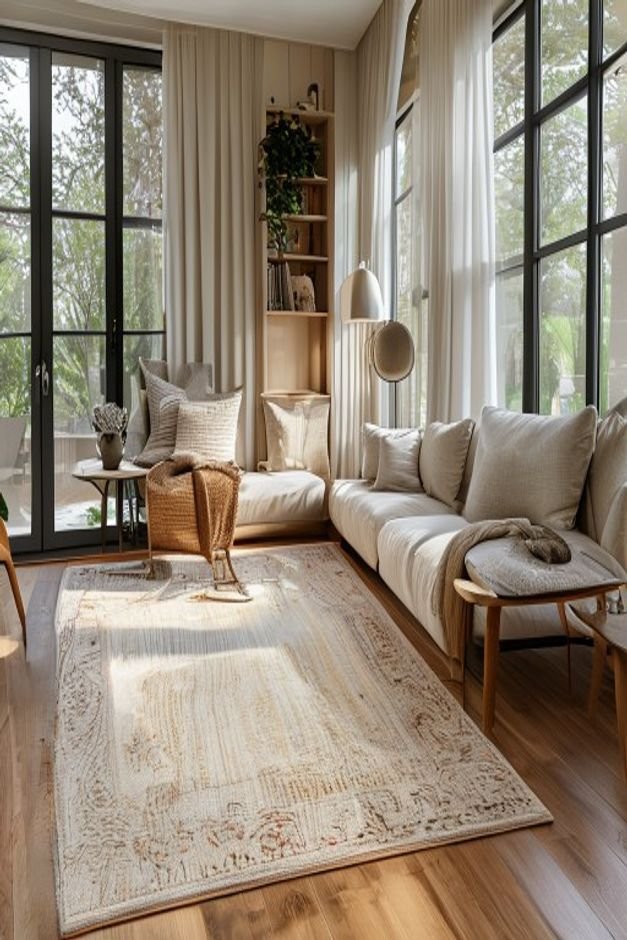
A rug is often the anchor of a room, defining zones and adding warmth and texture. However, many people choose rugs that are too small, which can make a room feel disjointed and unfinished.
The correct rug size and placement are critical for a polished look.
In a living room, the rug should be large enough so that at least the front legs of all major furniture pieces (sofa, armchairs) rest on it. Ideally, all furniture should be entirely on the rug for a truly luxurious feel.
In a dining room, the rug should extend far enough so that chairs remain on the rug even when pulled out. This ensures the rug grounds the space and unifies the furniture arrangement.
Refining Your Room Decor
Achieving a finished look in your home is less about grand gestures and more about mindful attention to detail.
By thoughtfully considering the scale of your art, the layering of your lighting, the texture of your textiles, and the strategic placement of objects, you can transform any room from functional to truly captivating.
These nine upgrades are designed to be approachable yet impactful, providing you with the tools to create spaces that feel intentionally designed, deeply inviting, and perfectly complete.
