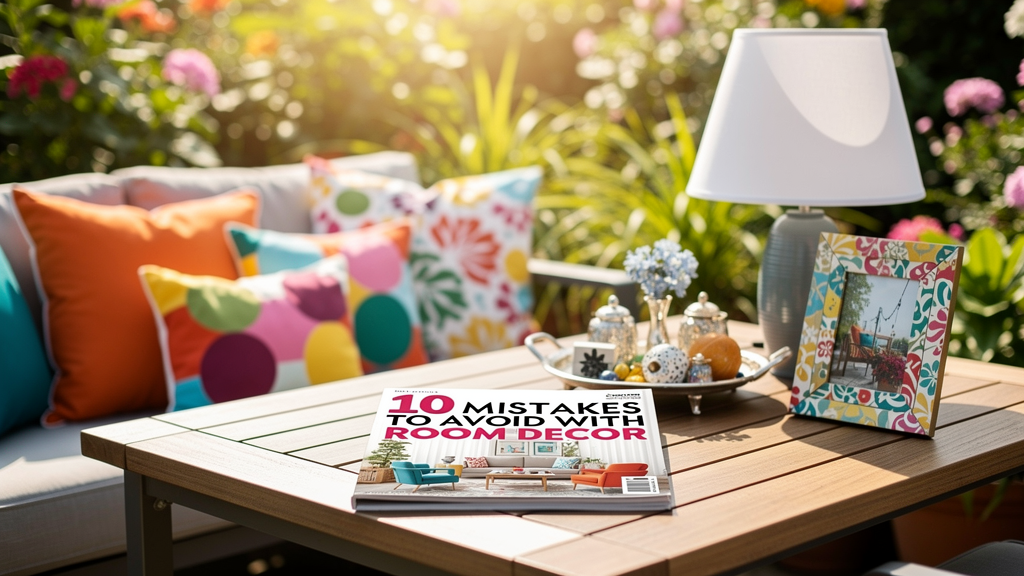
Avoid These Common Room Decor Mistakes
Stepping into a home that feels effortlessly put together is a distinct pleasure. Yet, many of us struggle to achieve that same polished look in our own spaces.
Often, the difference lies not in grand overhauls, but in sidestepping a few common room decor missteps that can make a space feel off-kilter or unfinished. Understanding these pitfalls is the first step toward creating rooms that truly sing.
Achieving a cohesive and inviting home is about thoughtful choices. This guide will walk you through ten frequent mistakes in room decor, offering clear insights and practical solutions to help you design a space that is both beautiful and functional.
Ignoring Scale and Proportion
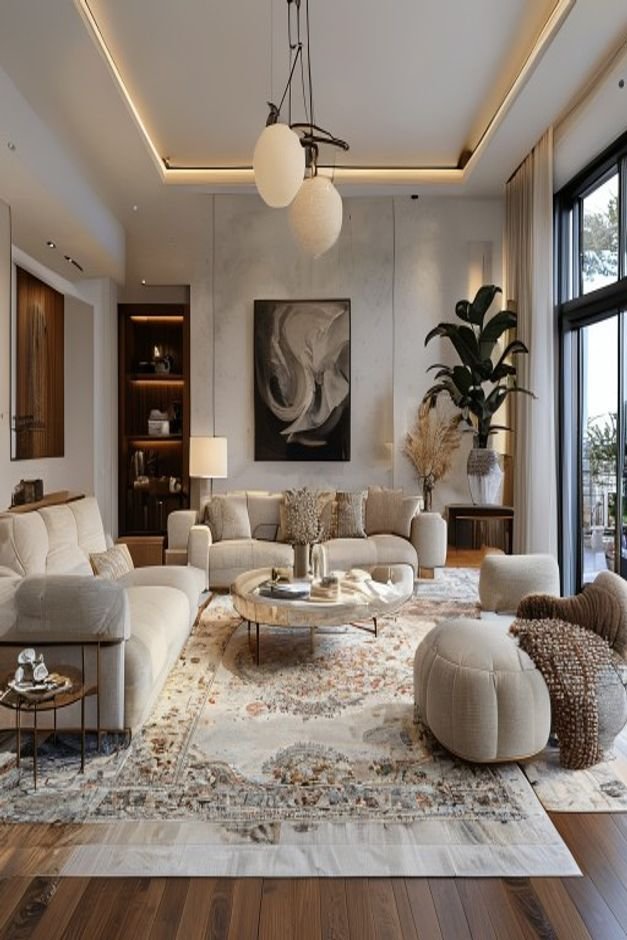
One of the most common errors in room decor is misjudging the scale and proportion of furniture and decorative elements. A massive sofa in a tiny living room, or a minuscule rug in a sprawling space, instantly creates an unbalanced look.
This mismatch can make a room feel either cramped and overwhelming or sparse and uninviting.
To get it right, consider the overall dimensions of your room. Large rooms can handle larger pieces, while smaller rooms demand more appropriately sized items. Ensure your rug anchors the main seating area, extending far enough to sit under the front legs of your furniture.
Artwork, too, should relate to the wall space it occupies, neither dwarfing nor being swallowed by it.
Hanging Art Too High or Too Low
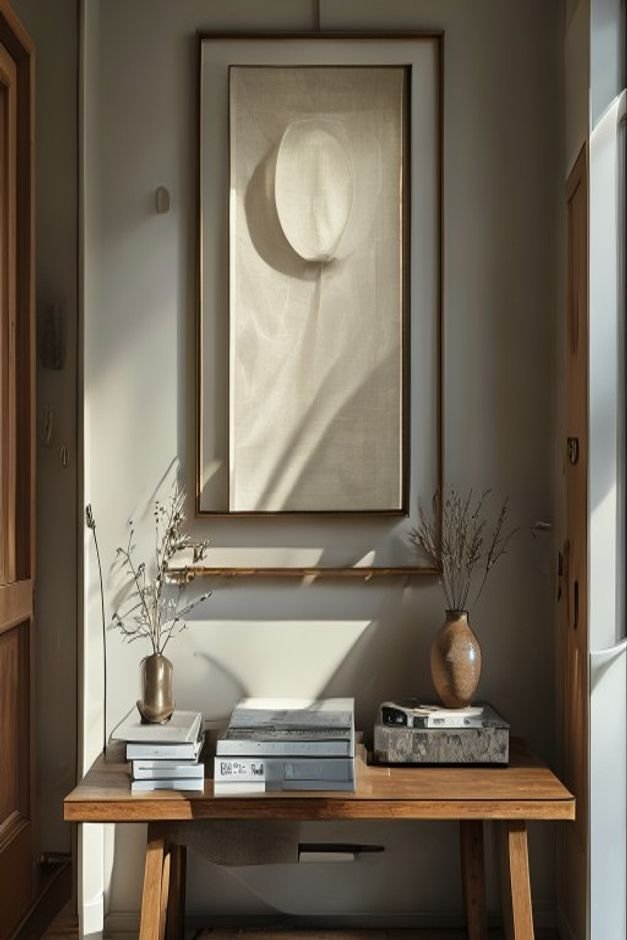
Art placement is more of a science than many realize. Often, beautiful pieces are hung either too close to the ceiling or too low to be comfortably viewed.
This can disrupt the visual flow of a room and make your wall decor feel disconnected from the furniture below.
A good rule of thumb is to hang the center of your artwork at eye level for an average person, typically around 57-60 inches from the floor.
When hanging art above a sofa or console, ensure there’s a comfortable visual connection, usually leaving about 6-8 inches of space between the top of the furniture and the bottom of the frame. This creates a cohesive vignette, rather than two separate elements.
Overlooking the Power of a Focal Point
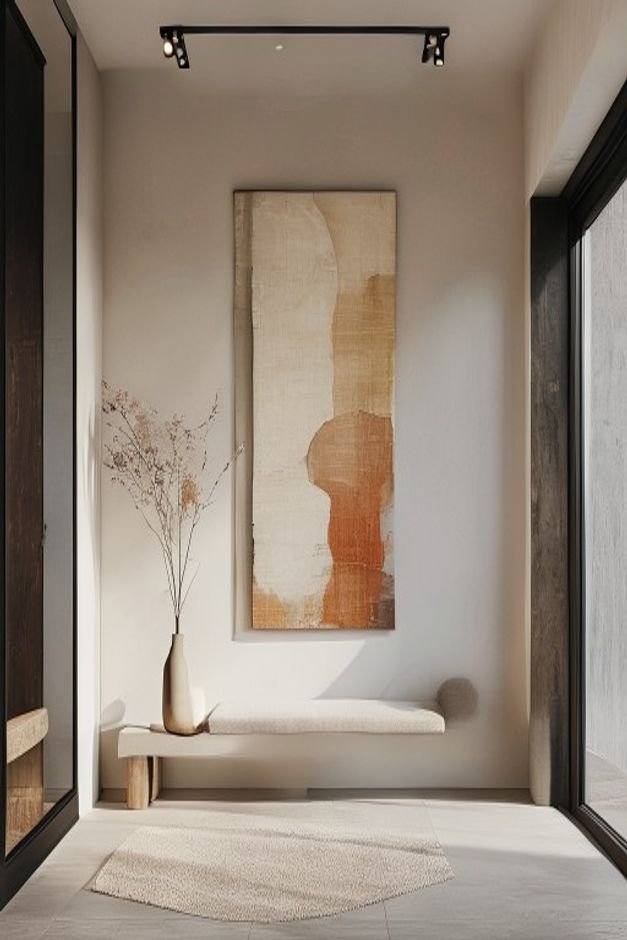
Every well-designed room benefits from a clear focal point – an element that immediately draws the eye and sets the tone for the space. Without one, a room can feel aimless, with the eye wandering without a place to rest.
This lack of direction can make even carefully chosen items appear random.
Identify or create a strong focal point. This could be a striking fireplace, a large window with a beautiful view, a bold piece of art, or a uniquely designed headboard in a bedroom.
Once established, arrange your other furniture and decor elements to complement and enhance this central feature, ensuring they support its prominence without competing.
Neglecting Wall Texture and Finish
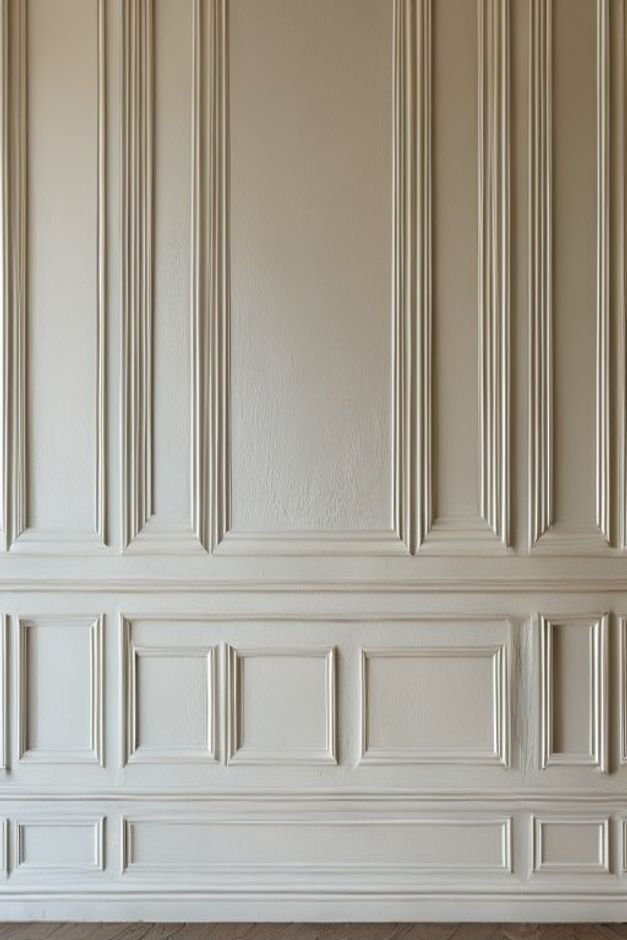
While paint color is crucial, many people stop there, overlooking the potential of wall texture and finish to add depth and character. Flat, uniformly painted walls can sometimes feel sterile or uninspired, especially in a room that otherwise features rich textures and layers.
Consider introducing texture through wallpaper, wainscoting, board and batten, or even a limewash paint finish. These elements add tactile interest and dimension, making walls feel more substantial and luxurious.
Even subtle textures can create a more inviting and sophisticated atmosphere, allowing your wall decor to truly pop.
Underestimating the Impact of Lighting
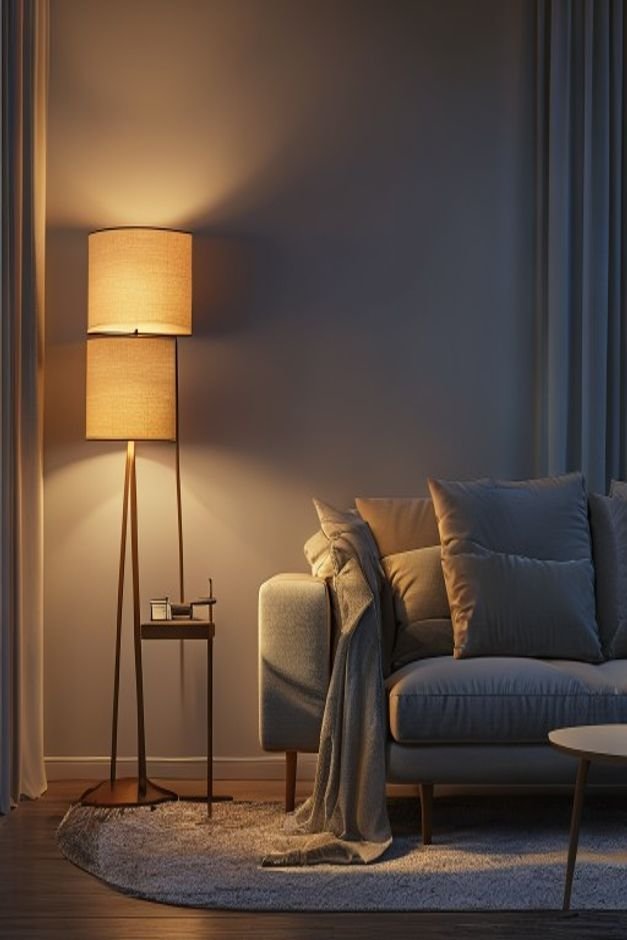
Lighting is often an afterthought, treated purely as a functional necessity. However, relying on a single overhead light source or insufficient illumination is a significant room decor mistake. Poor lighting can make a room feel cold, flat, or even claustrophobic, regardless of its furnishings.
Layer your lighting to create warmth, depth, and functionality. Incorporate ambient lighting (general room illumination), task lighting (for reading or working), and accent lighting (to highlight artwork or architectural features).
Use a mix of floor lamps, table lamps, sconces, and dimmers to control the mood and brighten dark corners, making your space feel inviting at any time of day.
Forgetting About Negative Space
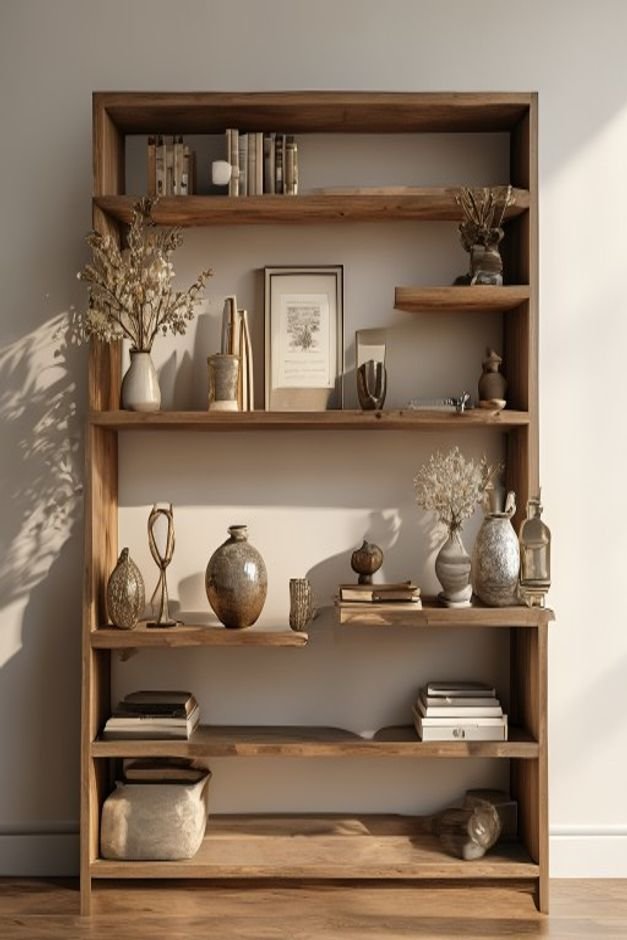
In the quest to fill a room, it’s easy to forget the importance of negative space – the empty areas around and between objects. Cramming too much furniture or too many decorative items into a room can make it feel cluttered, overwhelming, and visually restless.
Negative space is essential for allowing your beautiful pieces to breathe and be appreciated.
Practice restraint and thoughtful editing. Give your larger furniture pieces and significant artworks room to stand out. Ensure there’s clear walking path and that surfaces aren’t overloaded.
A well-placed empty wall or a clear tabletop can be just as impactful as a beautifully styled vignette, providing visual relief and enhancing the perceived size of the room.
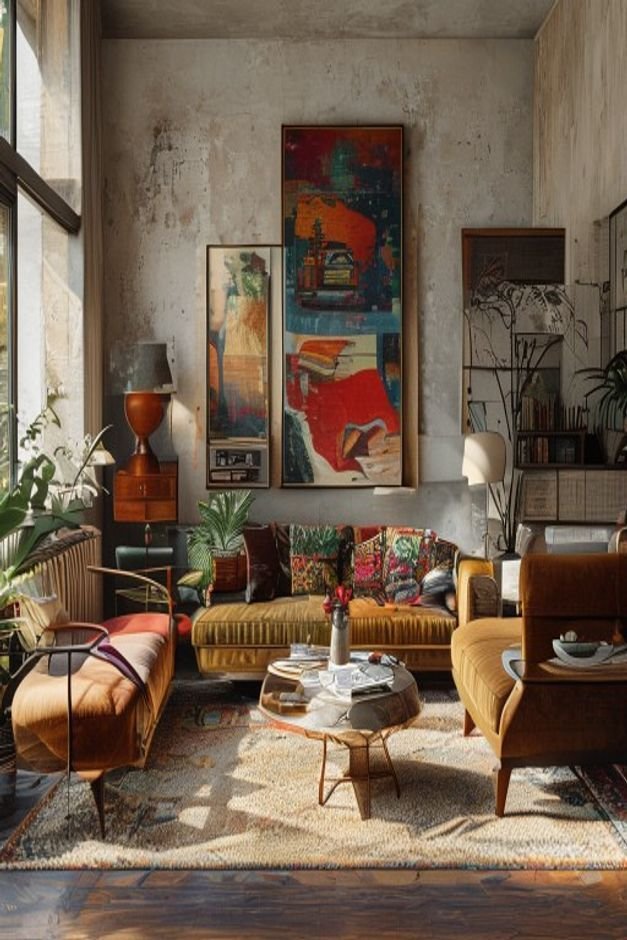
Cluttering Surfaces with Too Many Small Items
A collection of small trinkets, while personal, can quickly devolve into visual clutter if not managed thoughtfully. Overloading shelves, coffee tables, or consoles with too many small, unrelated items dilutes their individual impact and makes a room feel messy rather than curated.
This is a common room decor pitfall that undermines a sense of calm.
Embrace the power of grouping and editing. Instead of scattering many small items, gather them into cohesive collections. Use trays or bowls to corral smaller objects, creating intentional vignettes. Regularly assess your decorative items and remove anything that doesn’t add genuine beauty or meaning.
Less truly can be more when it comes to surface styling.
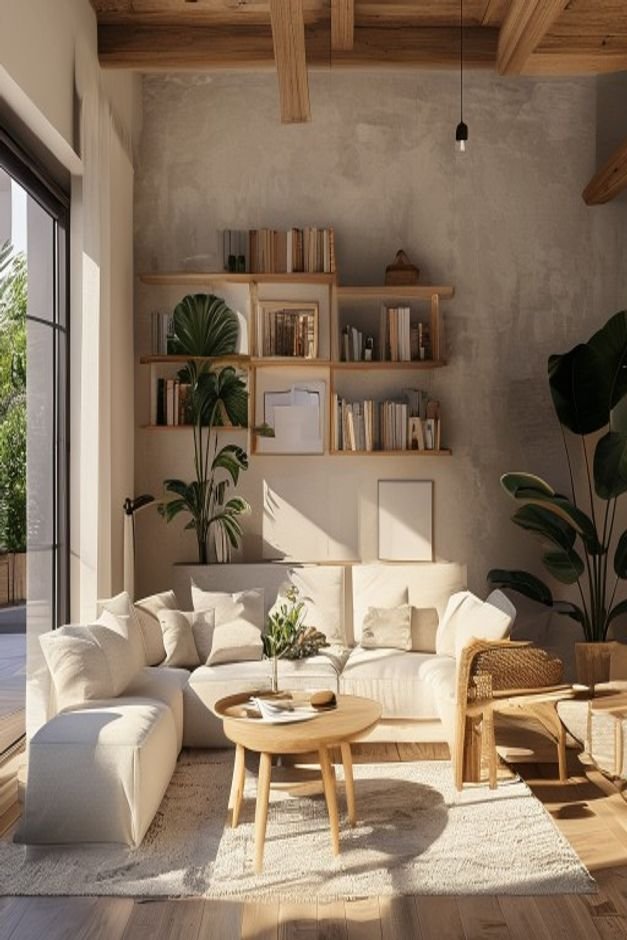
Sticking to a Single Style or Era Too Strictly
While a cohesive aesthetic is desirable, adhering too rigidly to a single decor style or era can result in a room that feels flat, impersonal
, and almost like a showroom. True character emerges from a blend of influences, telling a story about the inhabitants and their experiences.
Allow your personality to shine by thoughtfully mixing styles, textures, and periods. A modern sofa can look stunning with a vintage rug, or contemporary art can complement a classic antique chest.
The key is to find common threads, such as a consistent color palette or a shared material, to ensure the mix feels intentional and harmonious, not chaotic.
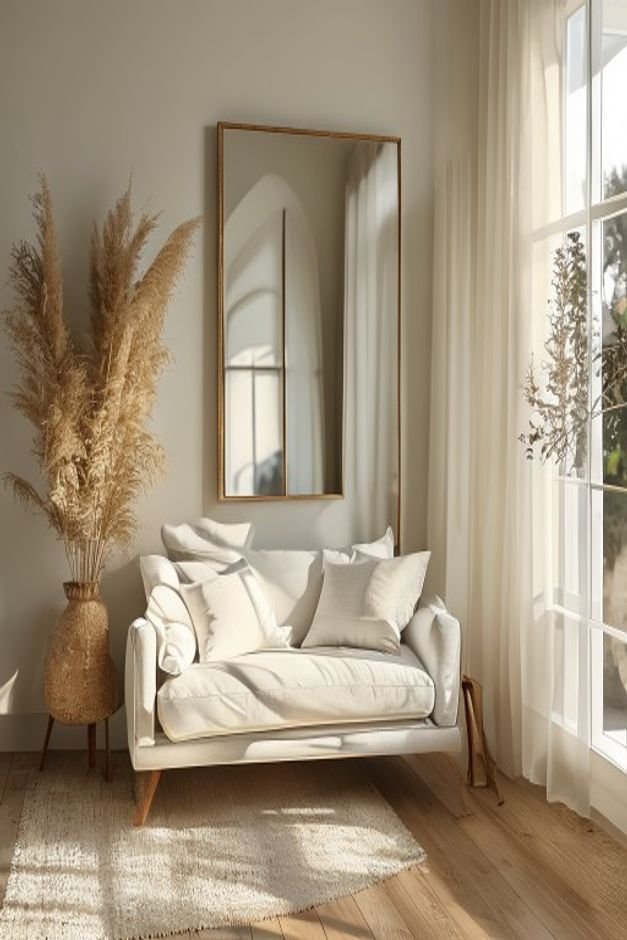
Misusing Mirrors as Purely Decorative
Mirrors are fantastic decorative elements, but many people miss their full potential, treating them solely as wall art. While a beautiful frame can certainly add aesthetic appeal, a mirror’s primary power lies in its ability to reflect light and create the illusion of expanded space.
Placing them without considering these functions is a missed opportunity.
Strategic placement is key. Position mirrors opposite windows or light sources to amplify natural light and brighten a room. In smaller spaces, a large mirror can dramatically increase the sense of openness.
Consider what the mirror will reflect; aim for reflections of attractive views, artwork, or other beautiful elements within the room, rather than a blank wall or a cluttered corner.
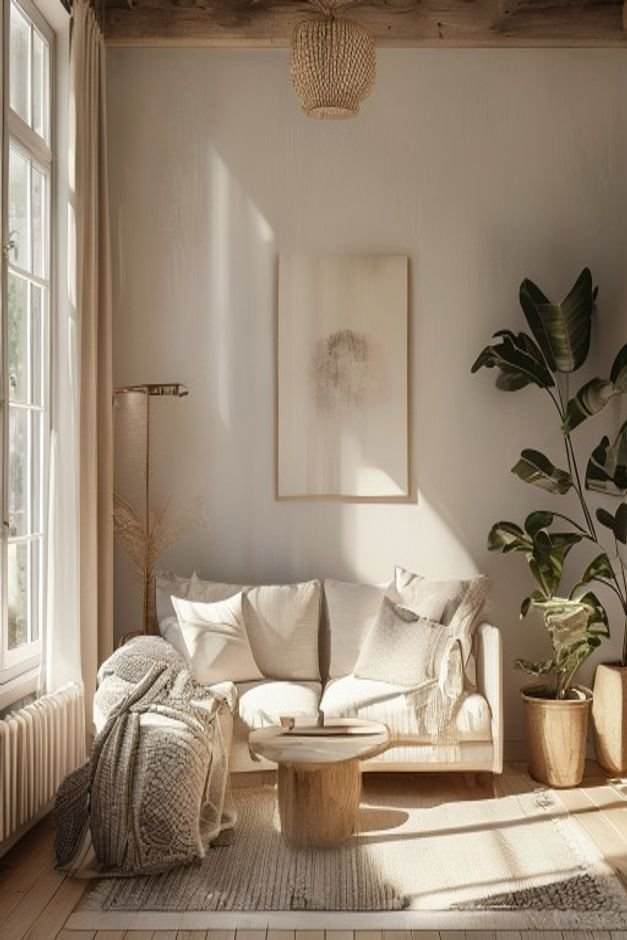
Not Trusting Your Own Taste in Room Decor
In a world overflowing with design inspiration, it’s easy to second-guess your own preferences or try to replicate trends wholesale. However, one of the most significant room decor mistakes is failing to infuse your home with your unique personality and tastes.
A truly beautiful home is one that feels authentic to those who live there, not a carbon copy of someone else’s space.
Take the time to understand what genuinely appeals to you. Collect images of rooms and pieces you love, paying attention to common themes.
Don’t be afraid to incorporate personal items, heirlooms, or elements that reflect your passions, even if they don’t perfectly align with current trends. Your home should be a reflection of you, and that authenticity is its greatest strength.
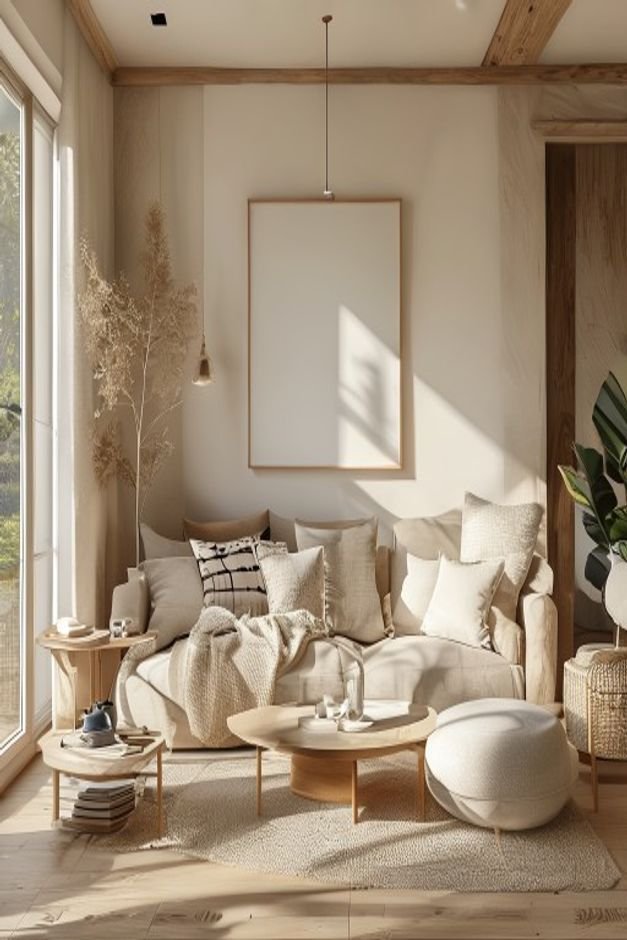
Refining Your Approach to Room Decor
Creating a beautiful and comfortable home is an ongoing journey of learning and refinement. By understanding and actively avoiding these ten common room decor mistakes, you can significantly enhance the appeal and functionality of your living spaces.
Focus on thoughtful choices regarding scale, light, and personal expression, and your rooms will evolve into inviting havens that truly feel like home.
The most impactful changes often come from a discerning eye and a willingness to step back and assess your space with fresh perspective.
