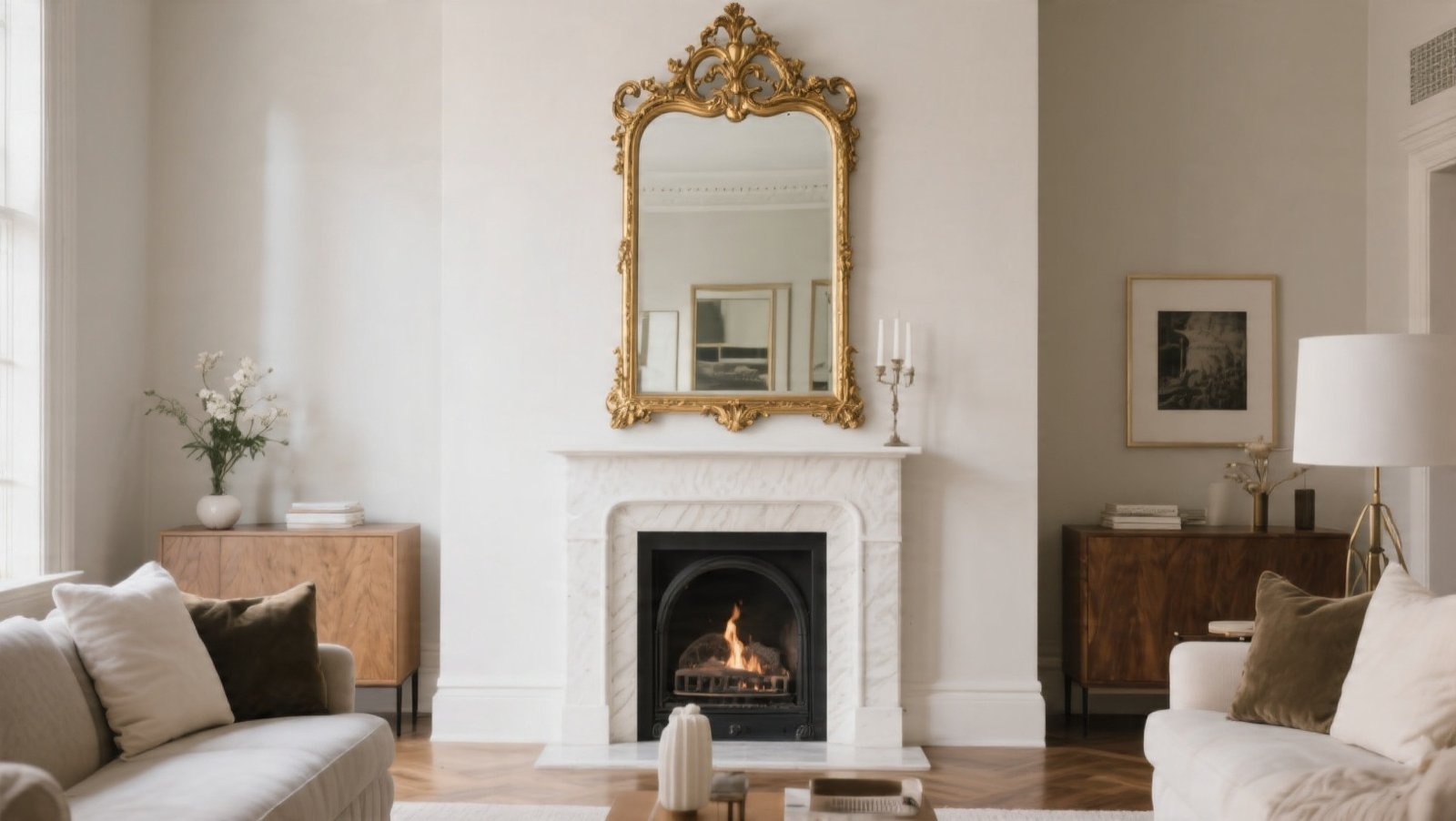
Mirrors are more than just reflective surfaces; they are powerful design tools that can amplify light, expand space, and introduce architectural interest. Often, a mirror is hung without much thought beyond its immediate function.
However, with just a few intentional adjustments, your mirror wall decor can become a focal point, adding significant depth and style to any room.
The right mirror, placed thoughtfully, can utterly transform a space. It can brighten a dim corner, visually double the size of a small room, or simply add a touch of elegant sparkle.
If you’ve been overlooking the potential of your mirrors, consider these nine low-effort changes. They are designed to bring out the best in your existing pieces and enhance your home’s aesthetic without requiring a complete overhaul.
1. Master the Art of Scale and Proportion
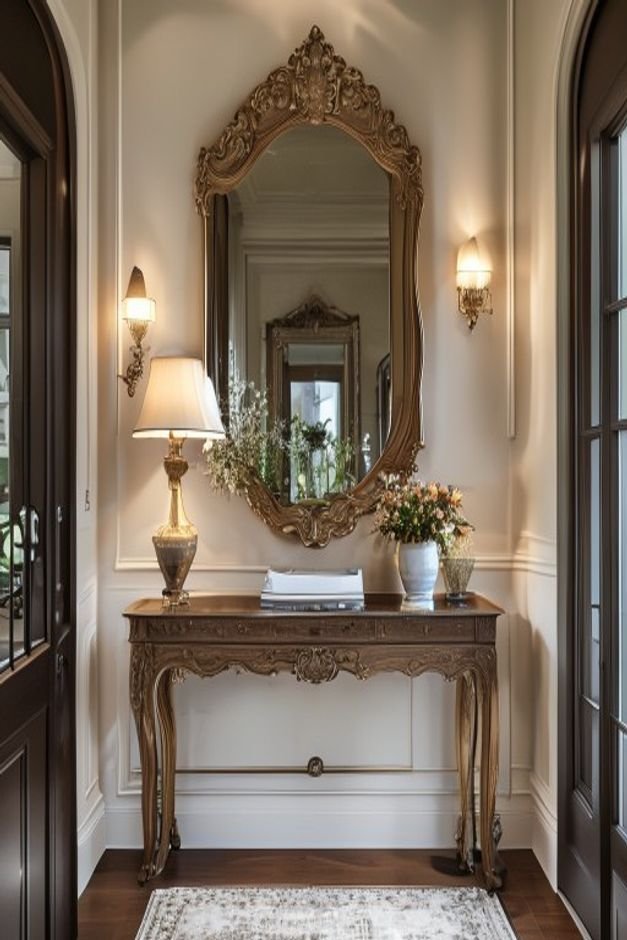
One of the most common missteps in mirror placement is ignoring scale. A mirror that is too small for its intended wall or the furniture below it will look insignificant and out of place. Conversely, an oversized mirror can overwhelm a modest space.
When hanging a mirror above a console, dresser, or fireplace mantel, aim for a width that is roughly two-thirds to three-quarters the width of the furniture piece. This creates a visually balanced and harmonious arrangement. For a standalone wall, consider the overall wall size.
A large, statement mirror can anchor a wall, but ensure it doesn’t leave vast, awkward blank spaces around it.
2. Groupings and Galleries
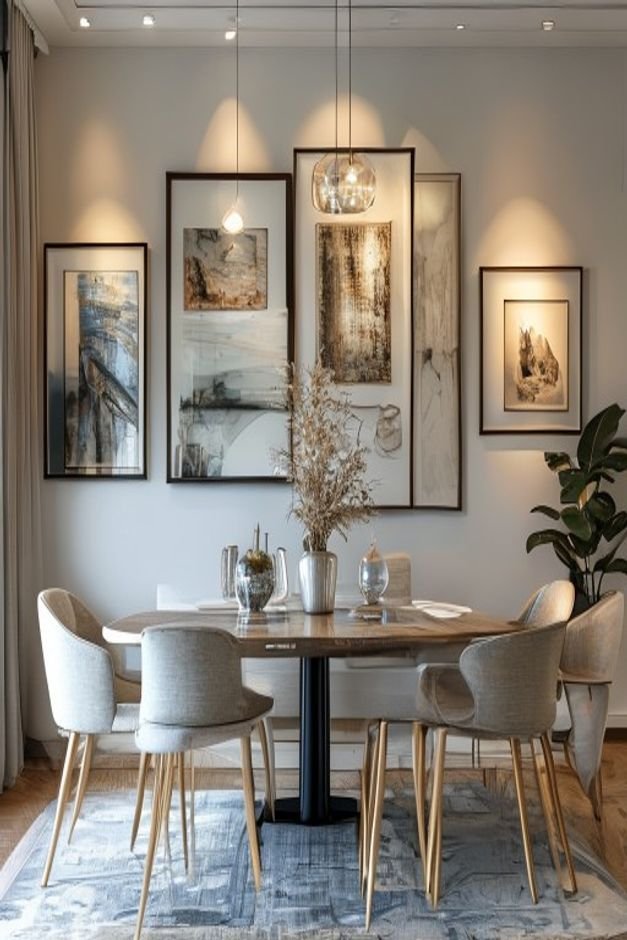
Mirrors don’t always have to be solitary. Integrating them into a gallery wall can add an unexpected layer of depth and light to an otherwise flat collection of art. Mix mirrors of different shapes, sizes, and frames with your framed prints and photographs.
When creating a mirror gallery, consider a cohesive element, such as similar frame finishes or a consistent theme. This prevents the arrangement from looking chaotic. A cluster of smaller mirrors can also create a compelling focal point, especially when hung in an organic, free-form pattern.
3. Reflect a View Intentionally
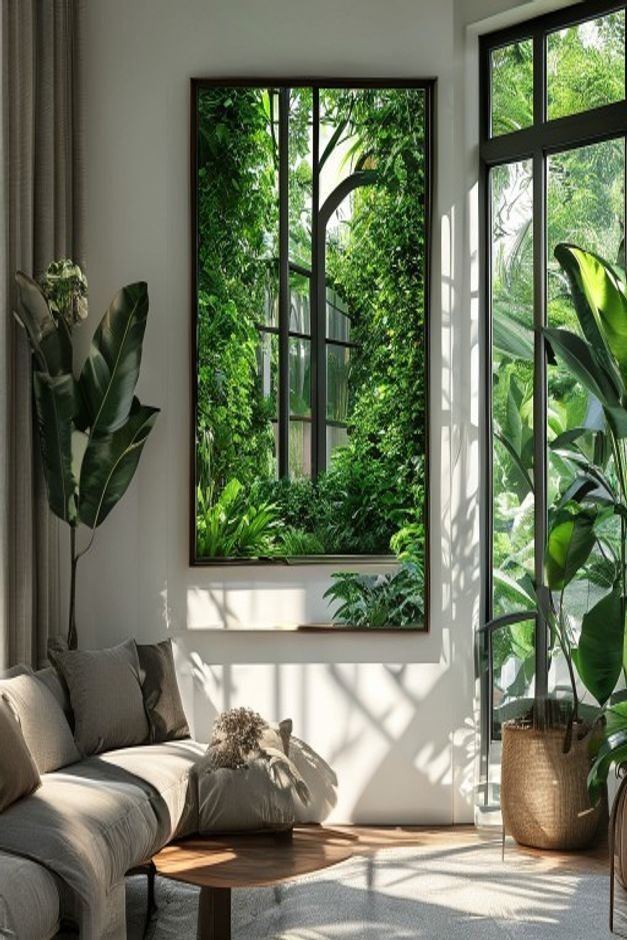
The power of a mirror lies in what it reflects. Before hanging, consider what view it will capture. A mirror can effectively ‘frame’ a beautiful window view, a striking piece of artwork, or even a lush indoor plant arrangement.
Avoid placing a mirror where it will reflect clutter or an unflattering corner of the room. Instead, position it to bounce light from a window or to offer a second glimpse of something beautiful.
This simple act turns the mirror into a dynamic piece of art, constantly changing with the light and the scene it captures.
4. Layering for Depth and Interest
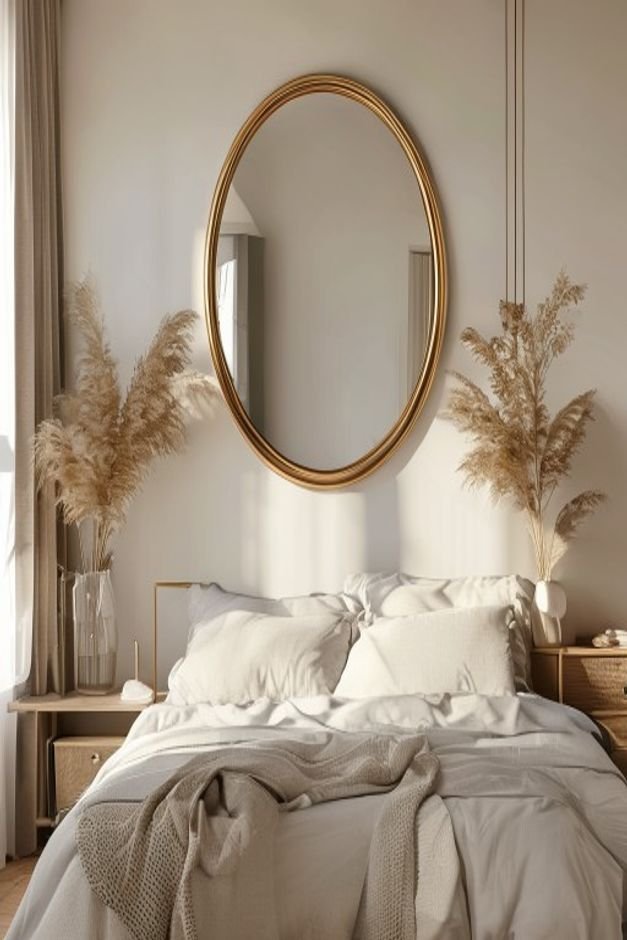
Introduce a sense of depth and curated interest by layering elements in front of your mirror. This doesn’t mean obscuring the mirror entirely, but rather adding subtle foreground details that interact with its reflection.
Consider placing a tall vase with branches, a sculptural lamp, or even a small piece of leaning art in front of a mirror.
This technique adds visual complexity and makes the mirror feel more integrated into the room’s design, rather than just a flat surface on the wall. Ensure the layered item is proportionate and doesn’t block too much of the mirror’s reflective quality.
5. Lighting the Reflection
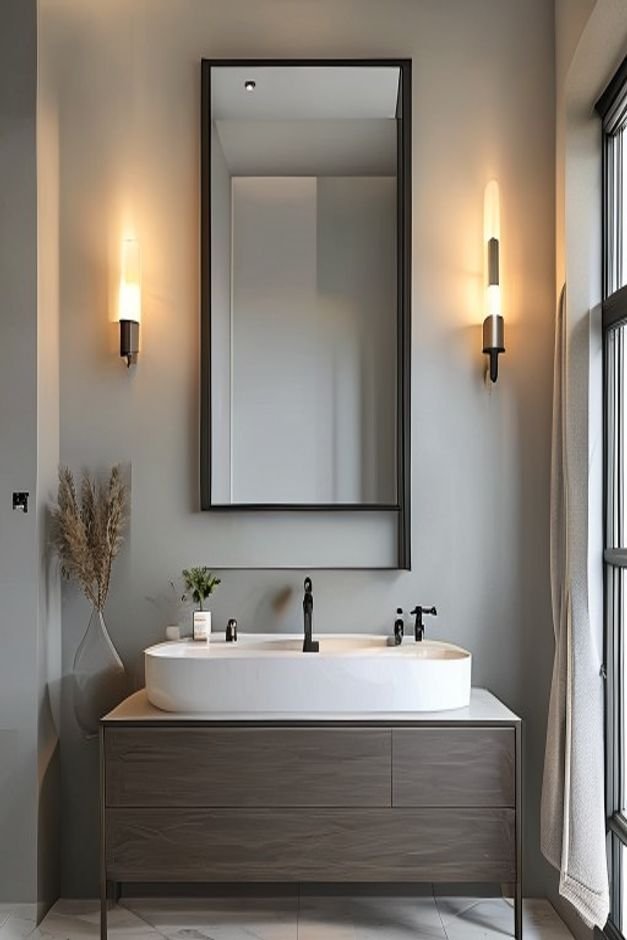
Just as you’d light a painting, consider how lighting can enhance your mirror. Direct light on a mirror can create a beautiful glow and draw attention to its presence.
Sconces mounted on either side of a mirror, or a picture light installed above it, can dramatically change its impact.
This is particularly effective in spaces like bathrooms or entryways where functionality and aesthetics meet. The added light not only illuminates your reflection but also creates a warm, inviting ambiance. Experiment with different light temperatures to find what best complements your space.
6. Choose the Right Frame
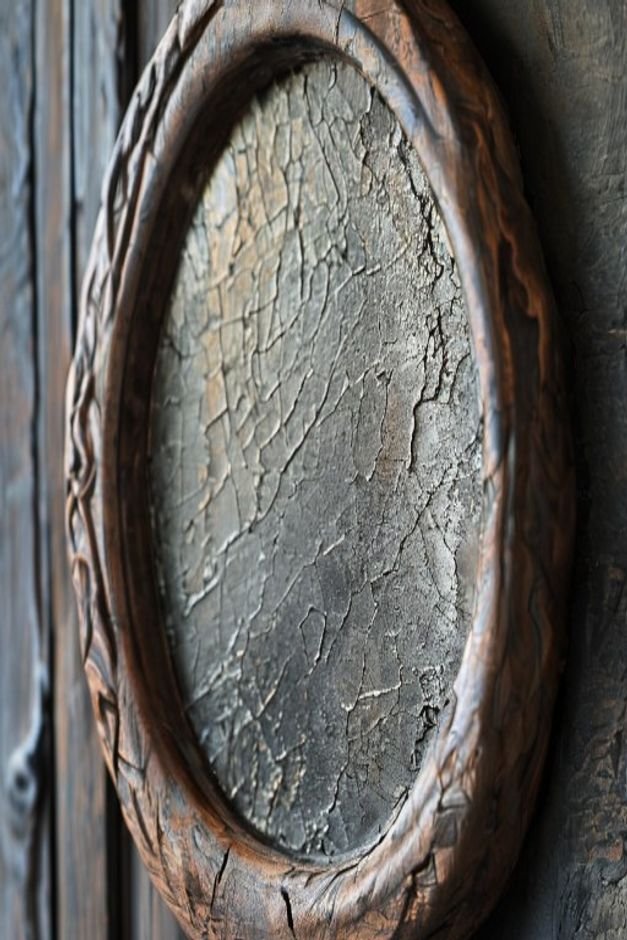
The frame of a mirror is just as important as the mirror itself. It’s an opportunity to introduce texture, color, and a specific style to your mirror wall decor.
A simple, minimalist frame can blend seamlessly into a modern space, while an ornate, gilded frame can add a touch of classic elegance or vintage charm.
Consider the existing finishes in your room. Do you want the mirror frame to match your furniture, or to provide a contrasting accent?
A well-chosen frame can elevate a basic mirror, turning it into a significant decorative element that speaks to the overall design narrative of your home.
7. Placement for Purpose
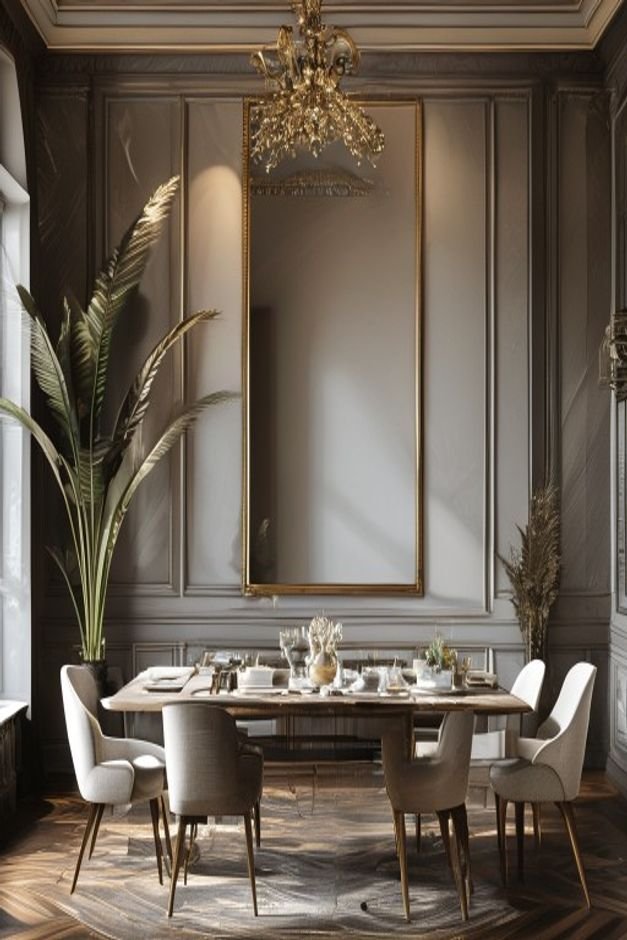
Beyond aesthetics, mirrors serve practical purposes. Think about where a mirror would be most functional and then integrate that function into a beautiful design. An entryway mirror is perfect for a last-minute check before leaving, but it can also be a stylish focal point.
In a dining room, a large mirror can make the space feel more expansive and reflect the glow of candles during dinner parties.
In a bedroom, a full-length mirror is essential, but it can be chosen for its frame and positioned to enhance the room’s natural light. Marrying purpose with visual appeal makes the mirror a truly valuable addition.
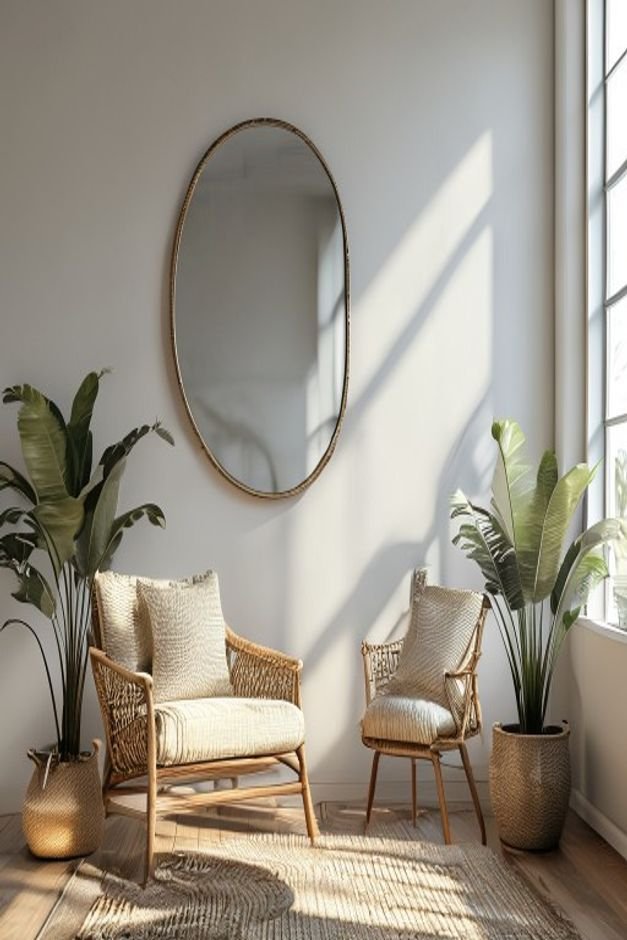
8. Mix Materials and Textures
A mirror’s smooth, reflective surface offers a fantastic opportunity to play with contrasting materials and textures in your design. Han
g a mirror with a raw wood frame on a wall with a subtle linen texture, or pair a sleek metal-framed mirror with a rough plaster finish.
This contrast adds visual interest and prevents a room from feeling flat. The interaction between the mirror’s slickness and a tactile material can create a dynamic and sophisticated look.
Don’t be afraid to experiment with different backdrops or adjacent elements to find a combination that feels rich and inviting.
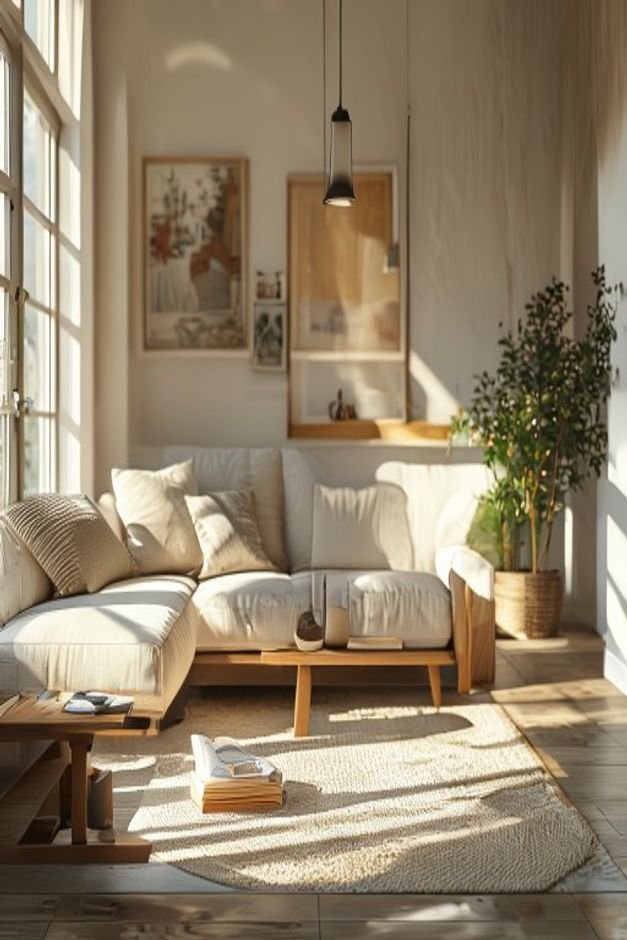
9. Strategic Angle and Tilt
While most mirrors are hung flat against the wall, a subtle tilt can sometimes work wonders. Angling a mirror slightly downwards can cat
ch more light from a window, or direct the reflection of a specific element in the room, such as a chandelier or an architectural detail.
This technique is often used in smaller spaces to maximize light dispersion or to create an illusion of greater height. Experiment with a slight tilt to see how it changes the light and reflections in your room.
Even a few degrees can make a noticeable difference in how the mirror interacts with its surroundings.
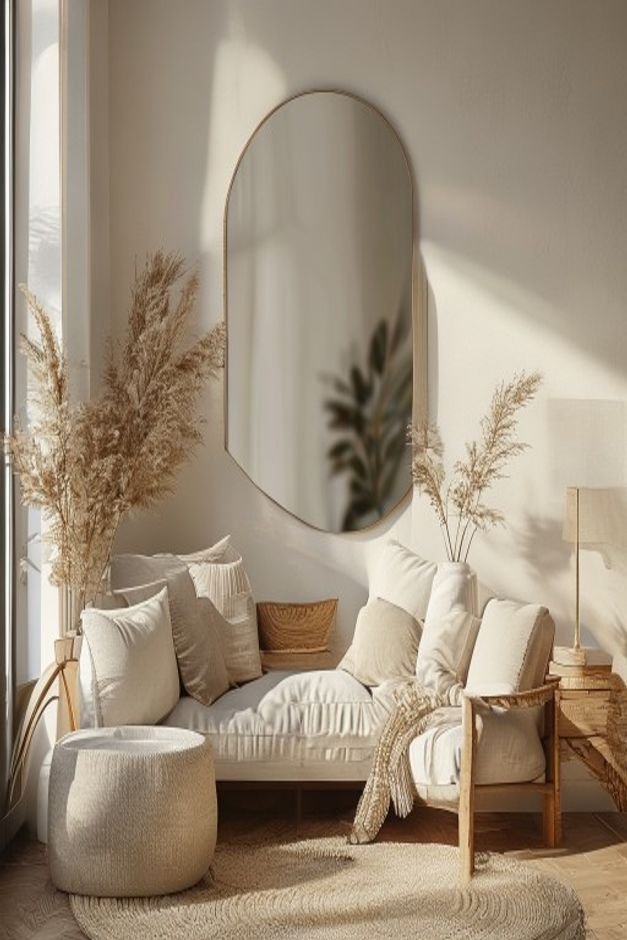
Refining Your Mirror Wall Decor
Thoughtful mirror wall decor is about more than just filling a blank space; it’s about making conscious design choices that enhance light, space, and style.
By considering scale, strategic placement, intentional reflection, and the interplay of materials, you can transform a simple mirror into a powerful design element. These low-effort changes offer significant returns, making your home feel more polished and visually captivating without extensive renovations.
