Introduction
Often, a mirror is simply hung on a wall without much thought beyond its function. While it serves a practical purpose, a mirror holds immense potential as a powerful design element in any room.
When not approached with intention, mirror wall decor can feel generic or even awkward, failing to contribute meaningfully to the room’s aesthetic.
The good news is that enhancing the impact of your mirrors doesn’t require a complete overhaul or a significant investment. Even small, low-effort adjustments can dramatically improve how a mirror integrates into your space, amplifying light, adding depth, and contributing to the overall aesthetic.
These nine practical strategies will help you transform your mirrors from mere reflections into purposeful design statements, making your home feel more polished and thoughtfully designed.
Consider Scale and Proportion
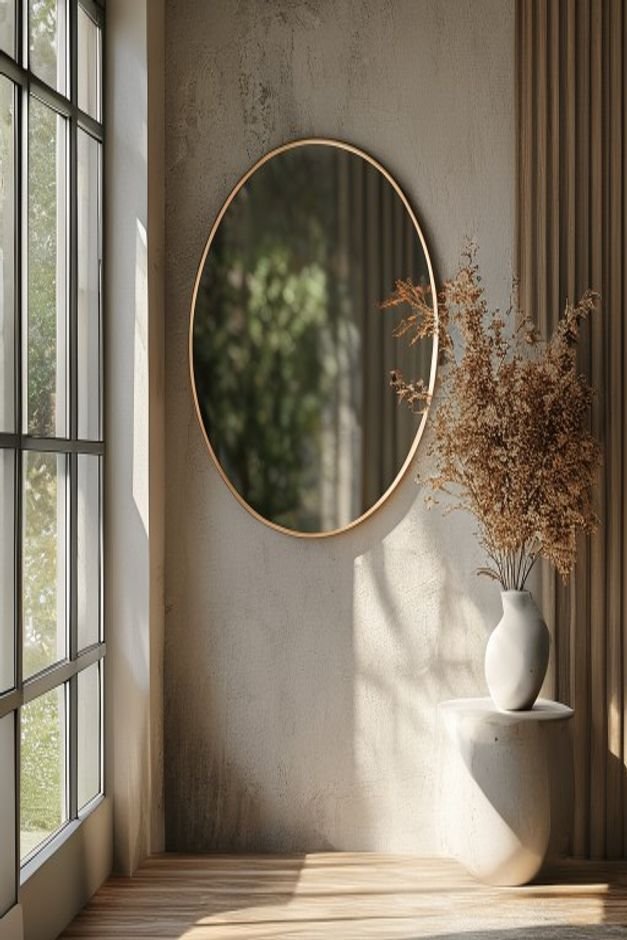
One of the most common missteps in mirror placement is choosing the wrong size. A mirror that is too small for its wall or the furniture beneath it will look lost and insignificant, creating an imbalance.
Conversely, an oversized mirror can overwhelm a space, making it feel cramped and out of proportion with the rest of the room’s elements.
When selecting a mirror, consider the wall’s dimensions and the scale of surrounding pieces. For instance, aim for a mirror that occupies roughly two-thirds to three-quarters of the width of a console, dresser, or fireplace mantel beneath it.
For a standalone wall, ensure the mirror is substantial enough to hold its own without appearing isolated. A well-proportioned mirror acts as an anchor, grounding the space and creating visual balance that immediately elevates the room’s design.
Strategic Light Amplification
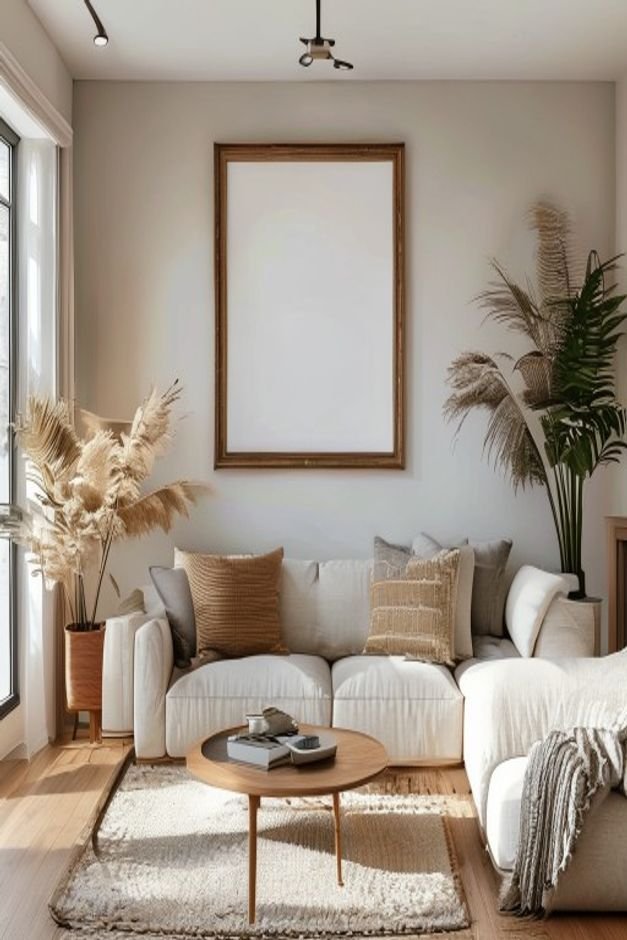
Mirrors are natural light amplifiers, but their effectiveness depends entirely on their placement. Don’t just hang a mirror anywhere; meticulously consider what it will reflect and how it will bounce light throughout the room.
Positioning a mirror directly across from a window is a classic and highly effective strategy. This maximizes the amount of natural light reflected back into the room, making the space feel significantly brighter and more open.
In rooms with limited natural light, even placing a mirror perpendicular to a window can help distribute light more evenly and soften shadows.
Think of your mirror as a strategic tool to expand the perceived light and openness of your home, creating an airy and welcoming atmosphere.
Integrate into a Gallery
Gallery walls are a fantastic way to display personality and curate visual interest. A mirror can be a surprisingly effective and dynamic addition to such an arrangement, breaking up the monotony of framed art and adding an unexpected layer of depth and intrigue.
Instead of viewing a mirror as a separate entity, consider it another piece of “art” within your collection. Choose a mirror with an interesting frame or a unique shape that complements the other pieces in your gallery.
Its reflective surface will add a dynamic element, catching the eye and introducing a different texture and dimension to the overall composition. This thoughtful inclusion can make your gallery wall feel more curated, less two-dimensional, and far more engaging.
Anchor a Furniture Vignette
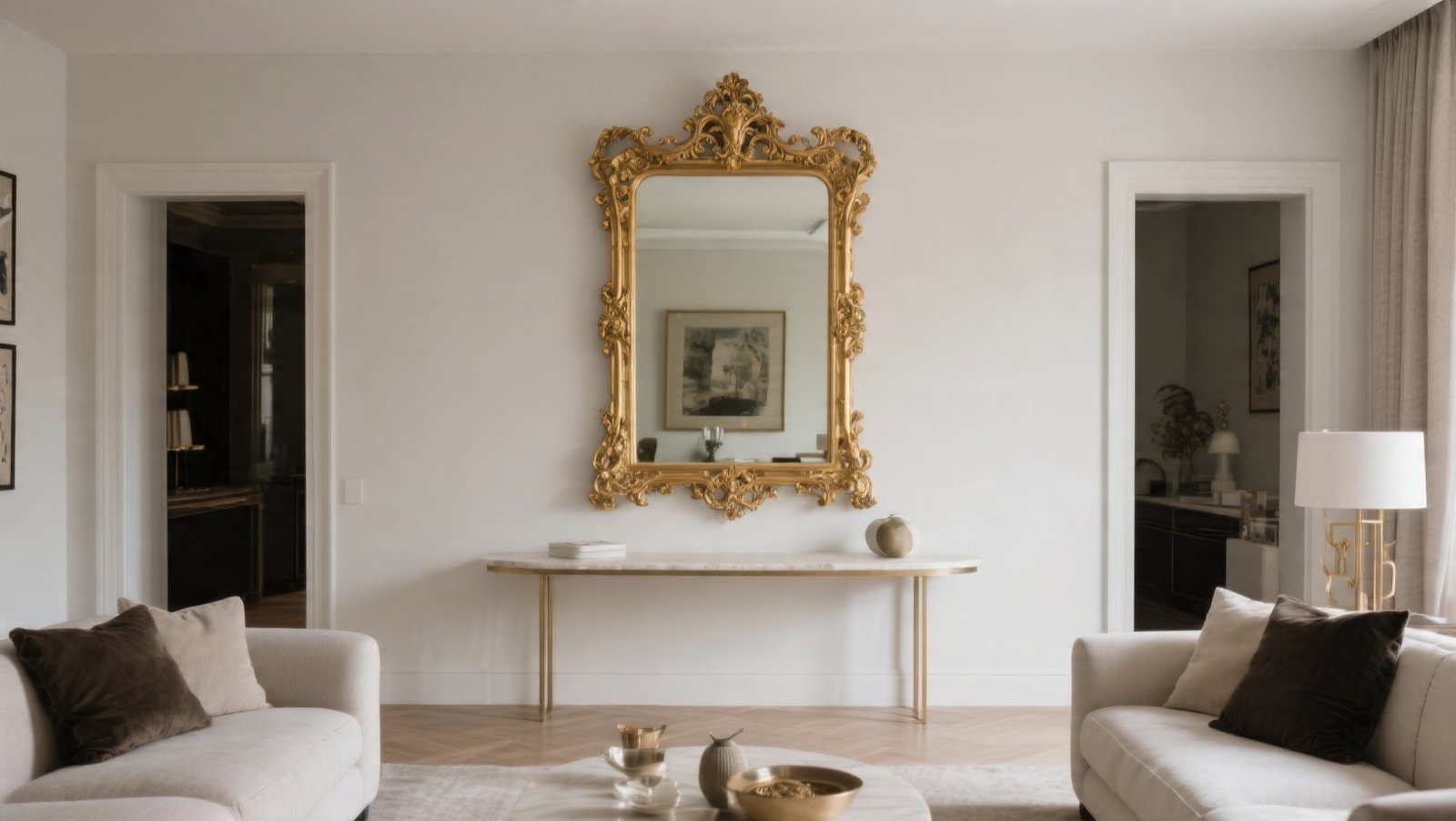
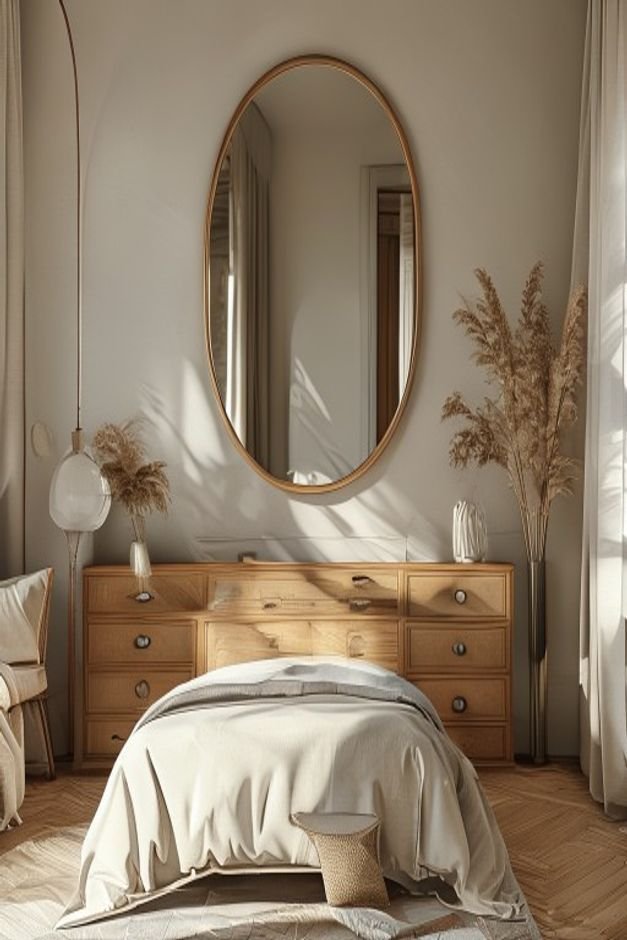
Mirrors excel at creating focal points, especially when paired with furniture. Placing a mirror above a console table, dresser, or sideboard instantly establishes a cohesive vignette, giving purpose and structure to that area of the room.
The mirror acts as a visual anchor, drawing the eye and providing a sophisticated backdrop for any decorative objects placed on the furniture below.
When styling the surface, ensure the mirror’s bottom edge is roughly 6-8 inches above the furniture for a cohesive and balanced look.
This arrangement creates a balanced display that feels intentional and complete, turning an ordinary piece of furniture into a styled moment that commands attention.
Curate the Reflection
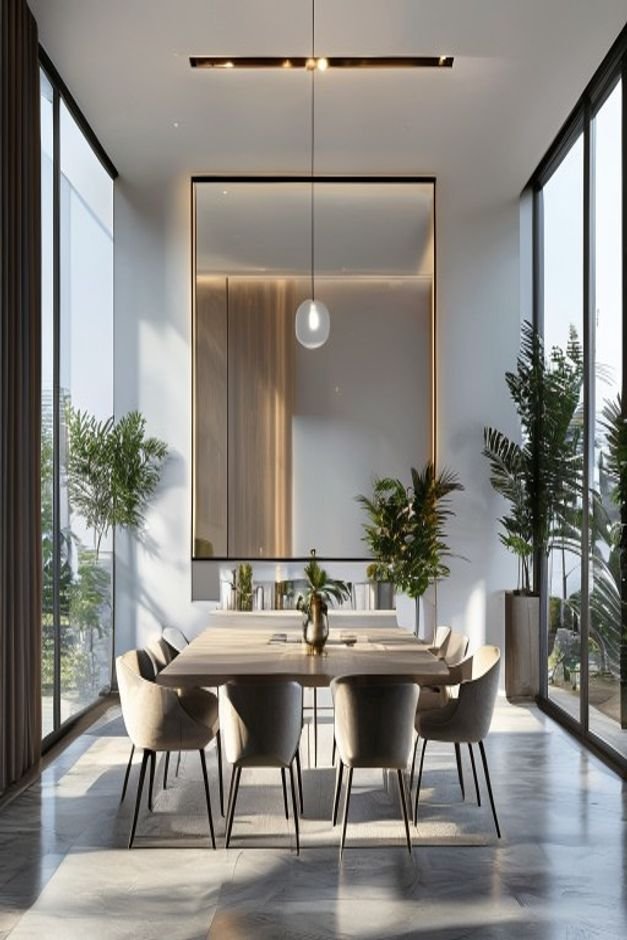
A mirror doesn’t just reflect the room it’s in; it reflects what’s opposite it. Many people overlook this crucial aspect, resulting in mirrors that reflect unsightly clutter or an uninteresting blank wall. This is a significant missed opportunity for deliberate design and visual impact.
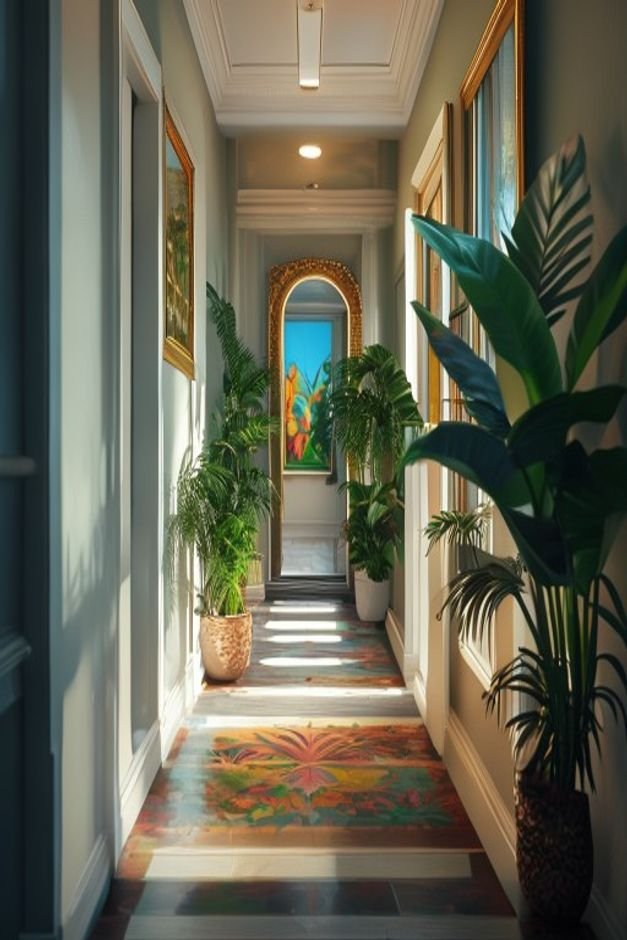
Before hanging, stand where the mirror will be and observe what you see. Can you position it to reflect a beautiful piece of art, a lush plant, a stunning view outside a window, or an interesting architectural feature?
By consciously curating the reflection, you effectively create a captivating “picture” within the mirror itself. This simple act turns the mirror into a dynamic piece of art that constantly changes with the light and activity in your home, adding layers of visual interest.
Embrace the Power of Multiples in Mirror Wall Decor
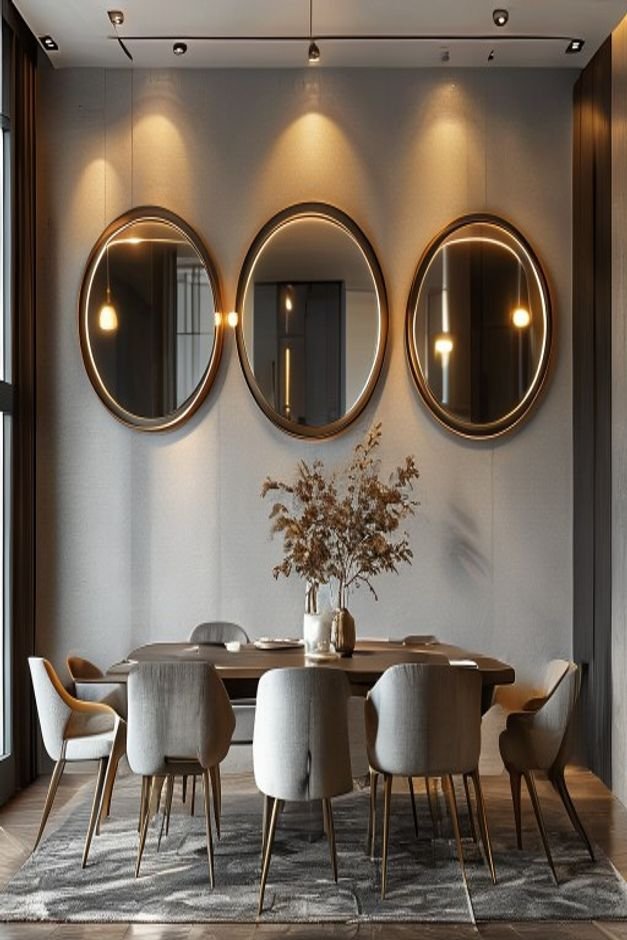
While a single large mirror makes a grand statement, a collection of smaller mirrors can create an equally compelling and often more dynamic display. This strategy adds texture and visual interest without overwhelming the space, offering a unique approach to mirror wall decor.
Consider grouping two or three identical mirrors in a horizontal or vertical line for a clean, modern look that establishes rhythm. Alternatively, a cluster of varied mirrors, perhaps with different frames or shapes, can form a captivating arrangement akin to a deconstructed gallery wall.
The key is to maintain a sense of balance and intentional spacing between them, ensuring they work together as a cohesive unit. Using multiples is an excellent way to fill a larger wall effectively and add depth to your overall design.
Let the Frame Make a Statement
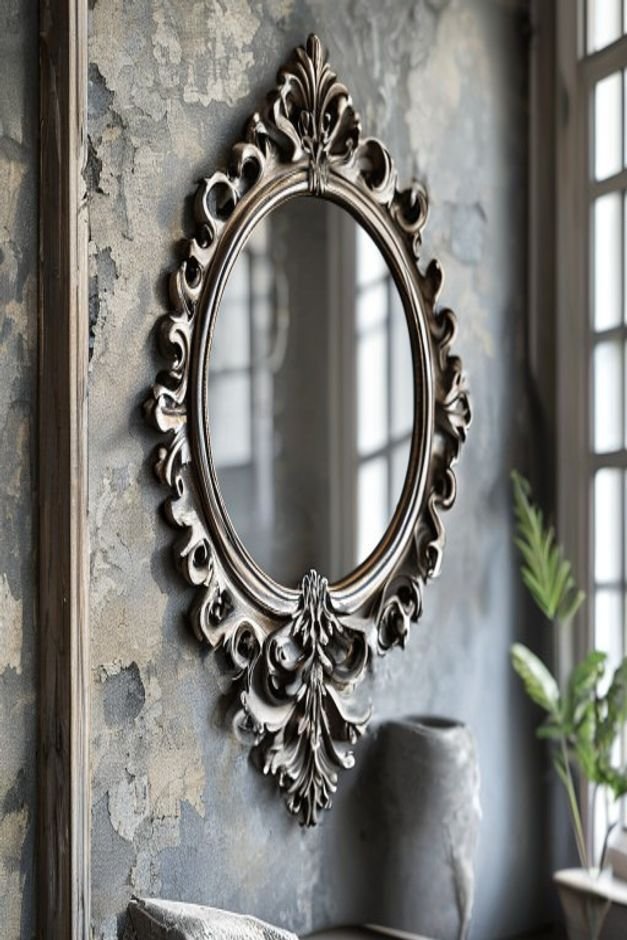
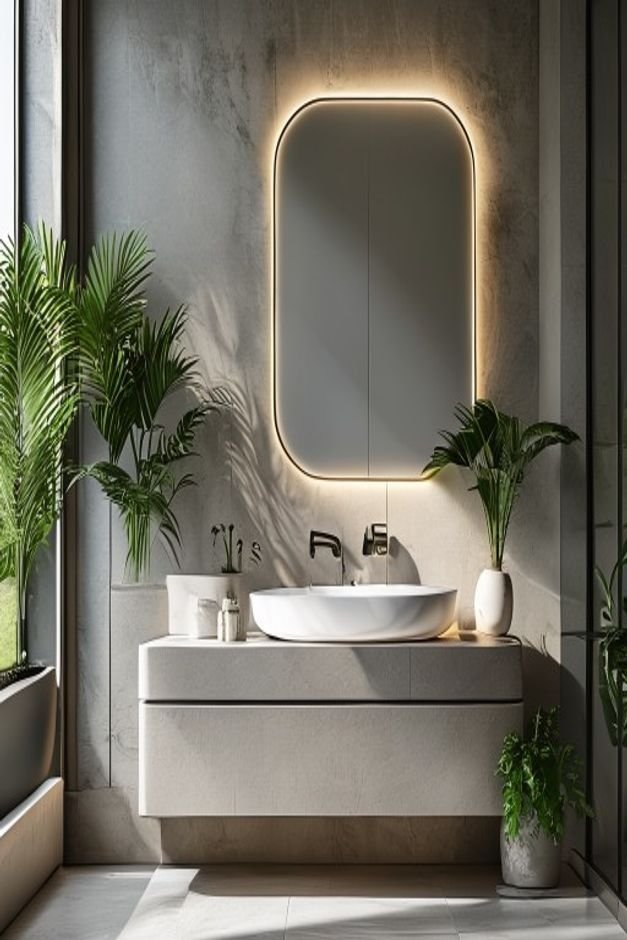
The frame of a mirror is just as important as its reflective surface. Too often, frames are an afterthought, leading to mirrors that blend into the background rather than contributing to the room’s character.
A well-chosen frame can transform a simple mirror into a powerful piece of art in its own right.
Consider the frame’s material, texture, and finish. A bold, ornate gold frame can add a touch of classic elegance and luxury, while a sleek, minimalist black frame provides a modern and sophisticated edge.
Distressed wood or a unique sculptural frame can inject personality and warmth, complementing your existing decor. Let the frame be a deliberate design choice that enhances your room’s aesthetic, rather than just a boundary for the glass, making the mirror a true focal point.
Introduce Softness with Greenery
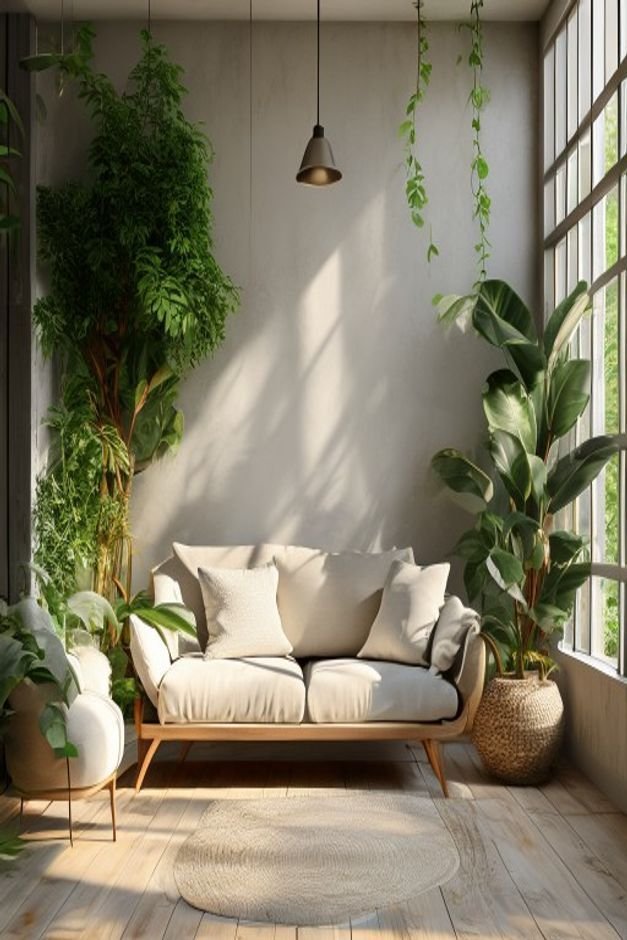
Mirrors, with their hard, reflective surfaces, can sometimes feel cold or stark, especially in minimalist or contemporary settings. Introducing greenery is a simple yet profoundly effective way to add softness, life, and an organic touch to your mirror wall decor, balancing the reflective quality.
Place a tall potted plant beside a floor-length mirror, or arrange smaller plants on a console table directly beneath a wall-mounted mirror. Trailing plants can even be artfully draped over a mirror frame for a bohemian or naturalistic feel.
The vibrant green of foliage provides a beautiful contrast to the mirror’s surface, creating a more inviting and balanced visual. This natural element softens lines and brings a refreshing vitality to the space, making it feel more lived-in and comfortable.
The Art of Layered Styling
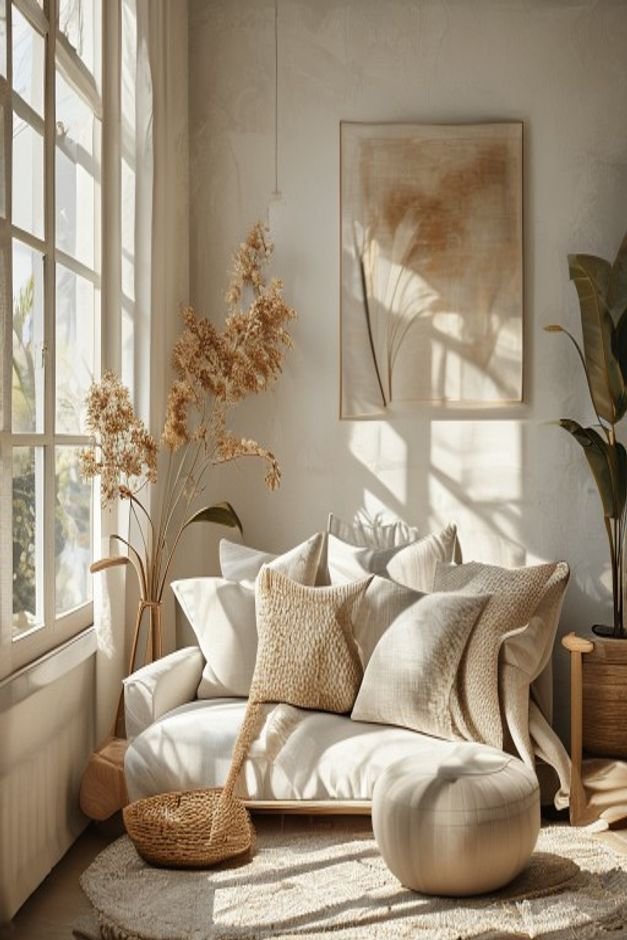
Instead of simply hanging a mirror flat against the wall, consider leaning it, especially if it’s a larger piece. This creates a more relaxed, layered look that adds depth and dimension to your space, moving beyond a flat, static display.
A floor-length mirror leaned against a wall can make a room feel taller and more expansive, adding a casual elegance.
For smaller mirrors on a console or mantel, try layering them by leaning one against the wall behind other decorative objects like vases, books, or art.
This technique adds visual richness and a sense of effortless style, breaking up flat surfaces and inviting the eye to explore different planes. It makes your mirror arrangement feel more sophisticated and thoughtfully composed, adding a touch of designer flair.
Thoughtful Mirror Wall Decor
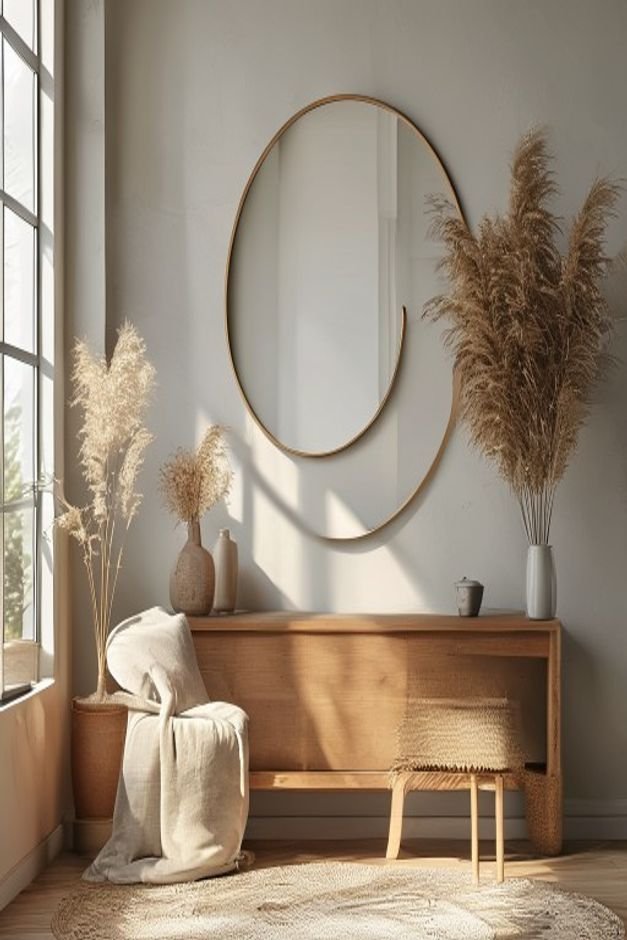
The subtle art of incorporating mirrors into your home extends far beyond their primary function. By approaching mirror wall decor with intention, you gain powerful tools for shaping the perception of space, light, and style.
Each small adjustment, from considering scale to curating reflections, contributes to a more cohesive and visually engaging environment.
These low-effort changes demonstrate that impactful design doesn’t require grand gestures or extensive renovations. Instead, it’s found in the thoughtful details and deliberate choices that make a house feel truly like a home.
Let your mirrors do more than just reflect; let them enhance the beauty and character of your living spaces, creating moments of everyday elegance.
