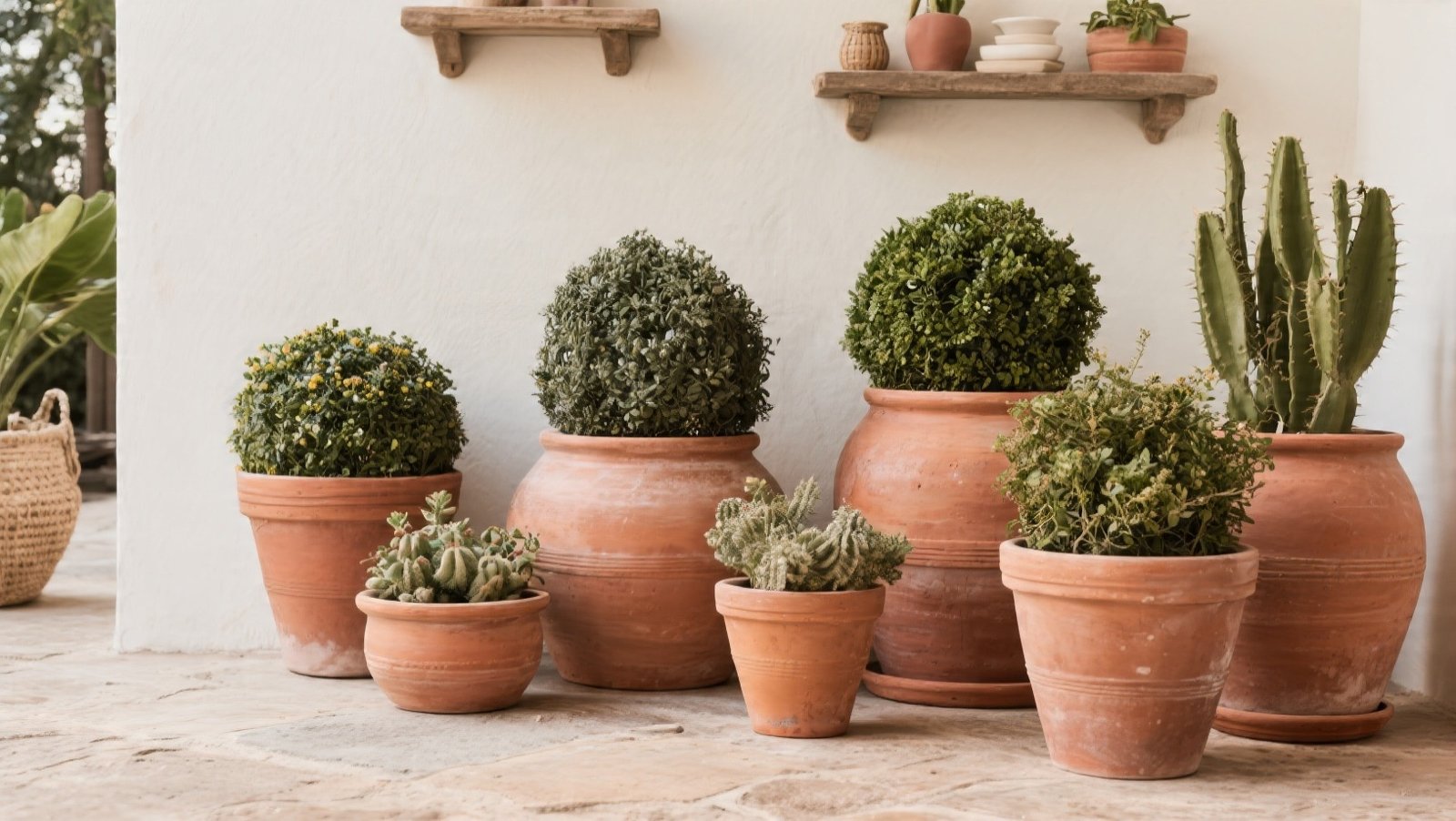
Terracotta pots are the unsung heroes of the Indian home garden. From sun-baked terrace gardens in Delhi to humid balconies in Mumbai, these simple clay vessels have been the standard for generations because they are breathable, affordable, and incredibly durable.
However, their ubiquity often means they are overlooked as design elements. Most of us have a stack of plain, dusty orange pots tucked away in a corner, waiting for a purpose.
The beauty of terracotta lies in its honesty and its texture. Unlike plastic or glazed ceramic, terracotta is porous, which helps regulate soil moisture and allows roots to breathe. This same porosity makes it an ideal canvas for personal expression.
You do not need an expensive trip to a boutique nursery to get the look of designer garden ware. With a bit of paint, some natural fibers, or even household scraps, you can turn basic clay into a cohesive part of your home’s aesthetic.
Distressed Whitewash Patina
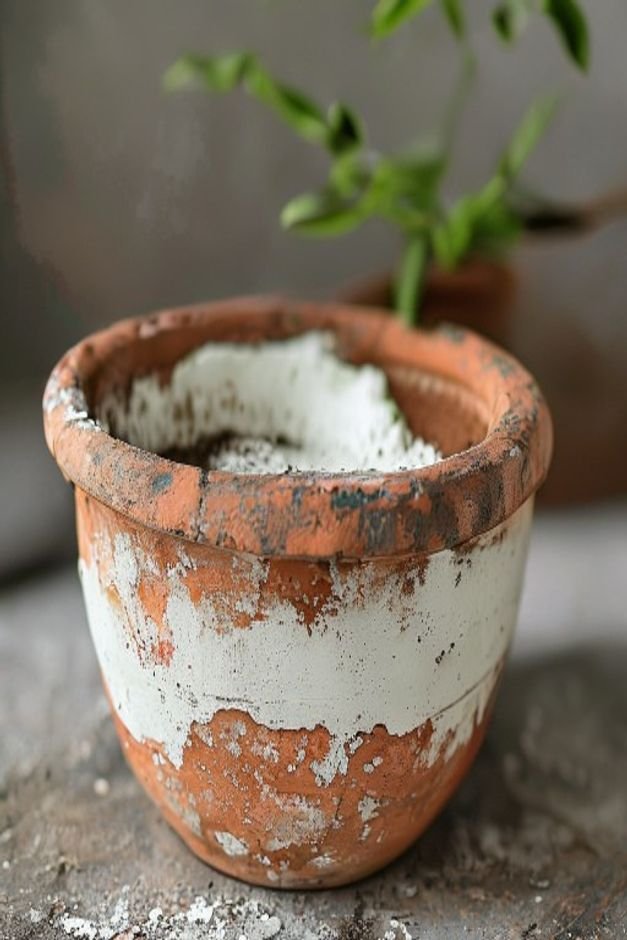
One of the most effective ways to age a new terracotta pot is through a simple whitewash. This technique mimics the natural salt buildup and lime scale that develops on clay over years of use, giving your garden a sense of history and permanence.
To achieve this, mix white water-based paint with water until it reaches the consistency of thin milk. Use a coarse brush to apply it haphazardly, then immediately wipe sections away with a damp cloth.
Why it works: The clay absorbs the pigment unevenly, resulting in a chalky, weathered finish that looks particularly beautiful against dark green foliage like fiddle-leaf figs or rubber plants.
It softens the bright orange of the clay, making it feel more integrated into a neutral or Scandinavian-inspired interior. This is a practical solution for mismatched pots, as the uniform whitewash ties different shapes and sizes together into a curated collection.
Modern Earth Tone Color Blocking If you prefer a contemporary look, move away from the traditional bright orange and toward a palette of muted earth tones. Sage green , dusty rose, terracotta-adjacent ochre, and deep charcoal are excellent choices for modern balconies.
Instead of painting the entire pot, try color-blocking. Paint the bottom two-thirds of the pot in a solid matte finish, leaving the top rim in its natural state to celebrate the original material.
Styling tip: Group three pots of varying heights in the same color family. When you use shades that appear in nature, the pots become a backdrop for the plants rather than competing with them.
Matte finishes are generally better than gloss for this look, as they maintain the stony, organic feel of the terracotta pots themselves. This approach works exceptionally well on clean-lined stone ledges or wooden plant stands.
Textural Jute and Twine Wrapping Terracotta is a tactile material, and you can emphasize this by adding natural fibers. Using a hot glue gun and a spool of jute or sis al rope, you can wrap the rim or the entire body of a pot.
This adds a layer of warmth and a rustic, coastal vibe that pairs perfectly with succulents or cacti. The contrast between the rough fiber and the smooth clay creates visual interest without the need for bright colors.
Durability note : If the pots will be kept outdoors, ensure you use a weather-resistant adhesive. Jute is a natural fiber and will eventually age if exposed to heavy rain, but this often adds to the charm, making the pot look more organic over time.
Wrapping just the rim is a great way to hide chips or cracks in older pots, extending their life and giving them a second chance in your display.
Traditional Indigo Fabric Decoupage For a uniquely Indian aesthetic, consider using fabric scraps from old cotton kurtis or block-print linens. Decoupage is the art of decorating an object by gluing paper or fabric cutouts onto it. Thin cotton works best for this.
Apply a layer of fabric glue to the pot, smooth the fabric over the surface to avoid air bubbles, and seal it with another layer of clear-drying glue or varnish.
Visual impact: Indigo prints, Ajrak h, or simple floral cottons look stunning against the earthy orange of the clay. This technique allows you to introduce intricate patterns that would be difficult to paint by hand.
These pots work beautifully as indoor accents on bookshelves or side tables. Because the fabric is sealed, you can still wipe the pots down, though they are best kept away from direct soaking during watering.
Sharp Geometric Stencil Work Minimalism is often about the tension between organic shapes and sharp lines. You can achieve this by using painter’s tape to create geometric patterns on your terracotta pots. Think simple triangles, chevrons, or a single thick vertical stripe.
Use a contrasting color like black, white, or navy blue to make the pattern pop. The key is to ensure the tape is pressed down firmly to prevent paint from bleeding into the porous clay.
Professional finish: Once the paint is dry and the tape is removed, you will have crisp, professional-looking lines. This style is perfect for an office desk or a modern apartment balcony. It takes the humble clay pot and gives it a structured, architectural feel.
It’s also an excellent way to use up small amounts of leftover wall paint from previous home projects. Faux Glazed Dip Technique High-end glazed ceramic pots can be prohibitively expensive, but you can mimic the look with a “dipped” effect.
Use a high-gloss enamel paint in a vibrant color like turquoise, emerald green, or sunny yellow. Paint only the top third of the pot and allow the paint to drip slightly down the sides before it sets.
This creates the illusion that the pot was dipped in a thick, colorful glaze. Styling tip: The contrast between the shiny, saturated color at the top and the matte, breathable clay at the bottom is visually striking .
This method is practical because it leaves the majority of the pot’s surface area porous, which is better for the plant’s health. It’s an easy way to introduce a splash of color into a green space without overwhelming the eye.
Minimalist Mandala Dot Art Drawing inspiration from traditional Rangoli and Mandala art, you can decorate your pots with fine white dots using a permanent marker or a thin paint pen.
This doesn’t require the skill of a professional artist; even simple concentric circles or flower shapes made of dots can look incredibly sophisticated. Focus the design on the center of the pot or around the rim for a subtle, handcrafted look.
Why it works: The white ink on the warm clay provides a delicate, lace-like appearance. It feels intentional and calm. These pots are perfect for spiritual corners or quiet reading nooks.
Because the design is composed of small dots, it’s very forgiving of mistakes, making it a relaxing weekend project that yields high-impact results. Space Saving Vertical Towers In urban Indian homes where balcony space is at a premium, vertical gardening is a necessity.
You can create a “pot tower” by using four or five terracotta pots of decreasing sizes. Thread them onto a sturdy metal rod anchored in the largest bottom pot. Tilt each pot slightly in opposite directions as you stack them.
This creates a cascading effect that is perfect for growing a variety of herbs or small flowers in a very small footprint. Practicality: This setup allows you to water from the top, with the runoff trickling down to the lower levels.
It’s a great way to grow a kitchen herb garden with mint, coriander, and basil all in one place. The weight of the clay makes the tower stable, even in windy conditions on higher floors.
It’ s a functional piece of garden architecture made entirely from basic components. Recycled Mosaic Inlays Do not throw away broken terracotta pots or old ceramic dishes. Instead, break them into smaller fragments and use them to create a mosaic on a fresh pot.
Use a strong tile adhesive to fix the pieces in a random or planned pattern, then fill the gaps with grout. You can even include bits of colorful glass bangles or small stones collected from trips.
Texture and light: A mosaic pot has incredible visual weight and texture. It becomes a focal point in the garden, catching the light at different angles. This is the ultimate budget-friendly project because it uses materials that would otherwise be discarded.
The resulting pot is heavy and durable, making it ideal for larger plants like bougainvillea or hibiscus that need a stable base. Functional Chalkboard Herb Labels For those who love a functional kitchen garden, chalkboard labels are a game-changer.
Paint a rectangle or a decorative oval on the front of your pots using black chalkboard paint. Once dry, you can use actual chalk to label your plants. This is particularly useful for herbs that look similar when they are young, like parsley and cilantro.
Flexibility: The beauty of this idea is that the labels are erasable. When you rotate your crops or plant something new, you simply wipe the slate clean and relabel. It adds an organized, farmhouse-style charm to your windowsill.
It’s a practical, low-cost update that makes your gardening life just a little bit easier. Minimalist Metallic Rims Sometimes, the smallest change makes the biggest impact.
If you love the natural look of terracotta but want to add a touch of elegance, try painting just the very top edge of the rim with a metallic paint like copper, gold, or brass.
A thin, half-inch band of shine against the matte clay is enough to make the pot feel expensive and “finished.” Aesthetic appeal: Copper is a particularly good match for terracotta because they share similar warm undertones.
These pots look beautiful in a sunlit room where the metallic edge can catch the light. It’s a sophisticated, “quiet luxury” approach to garden decor that doesn’t hide the humble beginnings of the clay pot but rather celebrates them with a refined accent.
Maintaining the Longevity of Stylized Clay Terracotta is a living material in many ways; it reacts to its environment, absorbing water and minerals from the soil.
When you apply paint or fabric to these pots, you are adding a layer that may change over time as the clay breathes. To keep your designs looking fresh, it is helpful to use a breathable sealer on the inside of the pot before planting.
This prevents moisture from seeping through the clay and bubbling the paint on the outside. Ultimately, the goal of these updates is to honor the practical nature of terracotta while bringing it into alignment with your personal style.
Whether you choose the rustic charm of a whitew ash or the sharp precision of a geometric stencil, these pots remain what they have always been: a reliable, grounded home for your plants.
By taking a few moments to style them, you turn a basic garden utility into a thoughtful expression of your home’s character.
