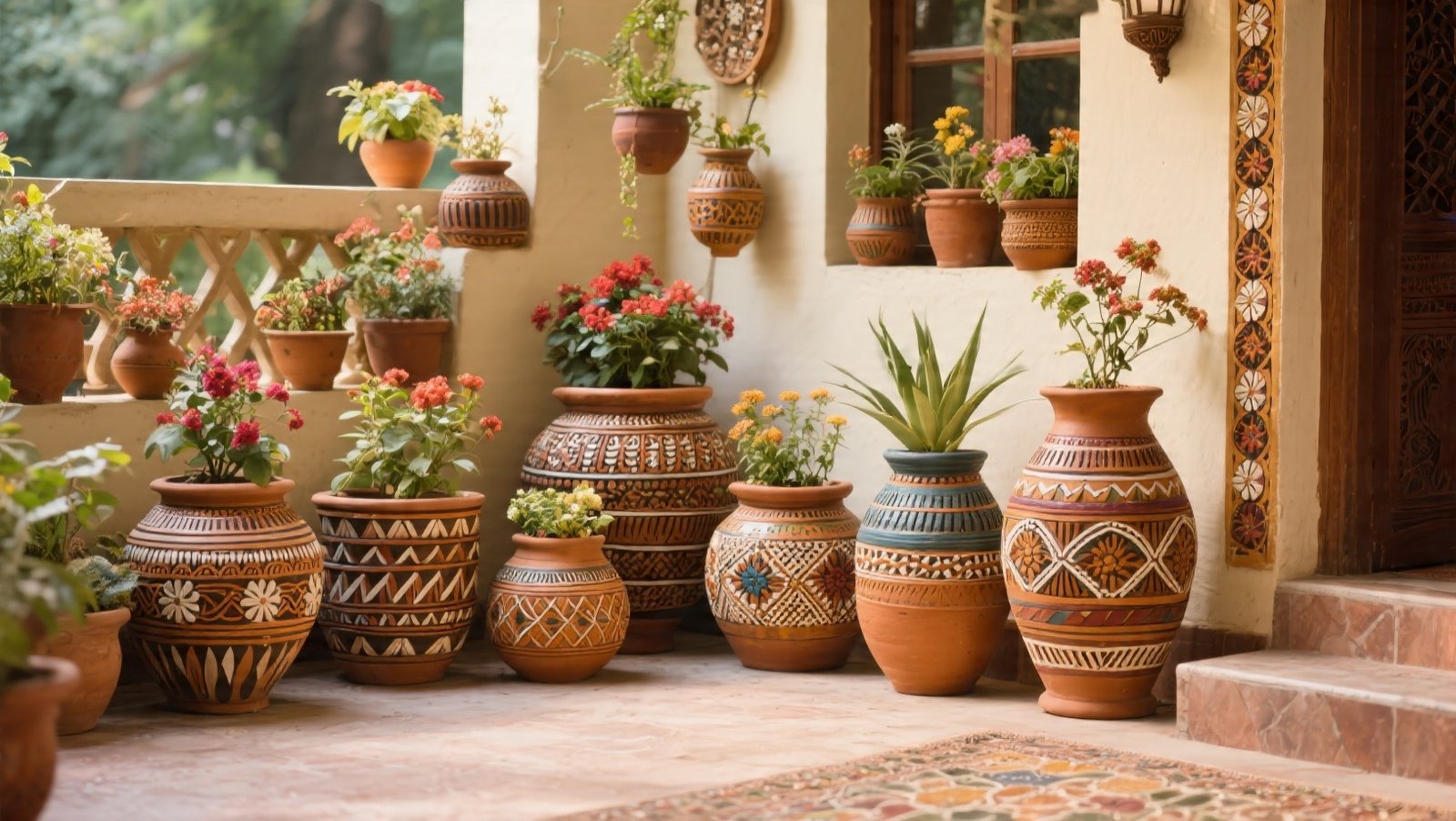
Stepping into a nursery or browsing online for garden decor can quickly become overwhelming. With countless styles, materials, and sizes of flower pots available, it’s easy to feel lost, wondering if your chosen craft will truly enhance your outdoor space or just add clutter.
We’ve all been there, bringing home a beautiful pot only to realize it clashes with the garden, struggles with plant health, or simply doesn’t fit the vision we had.
But creating a harmonious and inviting garden doesn’t have to be a guessing game. It’s about making thoughtful, practical choices that resonate with your home’s aesthetic and your plants’ needs.
These 17 practical rules for choosing flower pot crafts are designed to guide you, transforming your decision-making process into an enjoyable part of your garden journey. Let’s make every pot a deliberate, beautiful addition.
Understanding Your Canvas: Material & Durability
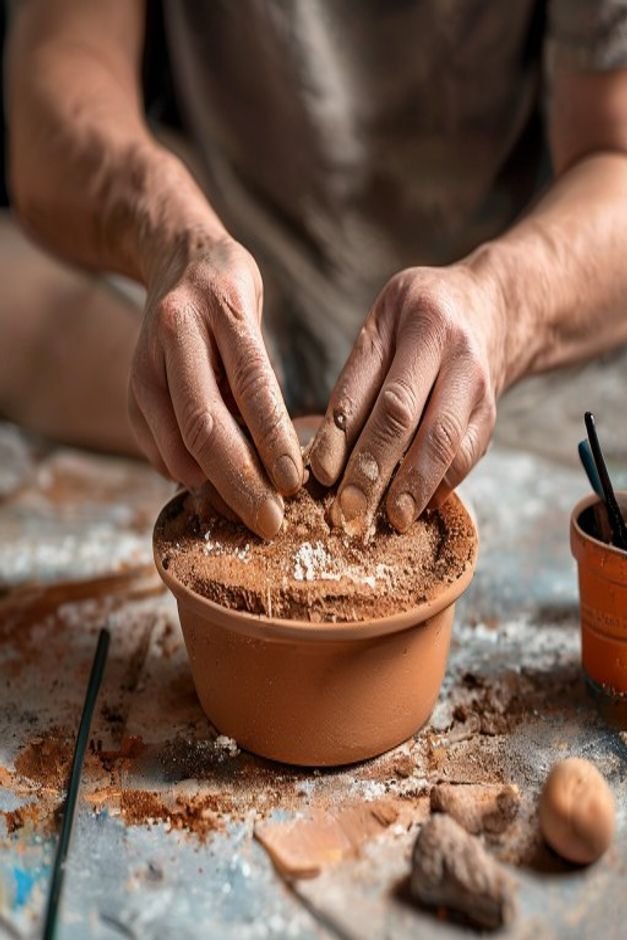
The foundation of any good flower pot craft lies in its material. It dictates not just the look but also its longevity and how well your plants will thrive.
- Rule 1: Consider Your Climate. This is non-negotiable. If you live in a region with extreme heat, heavy monsoons, or occasional frost, choose materials that can withstand these conditions without cracking, fading, or deteriorating quickly. Terracotta is breathable but can dry out quickly in intense heat; glazed ceramic offers more insulation but can crack in frost if not properly drained.
- Rule 2: Match Material to Style. Let the material speak to your home’s aesthetic. Rustic Indian homes often benefit from earthy terracotta or stone. Modern spaces might lean towards sleek metal, concrete, or minimalist glazed ceramics. The material itself is a significant design element.
- Rule 14: Durability for the Long Haul. View your pots as an investment. Opt for materials known for their resilience. High-fired ceramics, treated wood, quality concrete, or powder-coated metals will stand the test of time and weather, saving you replacement costs and effort in the long run.
The Art of Scale and Placement
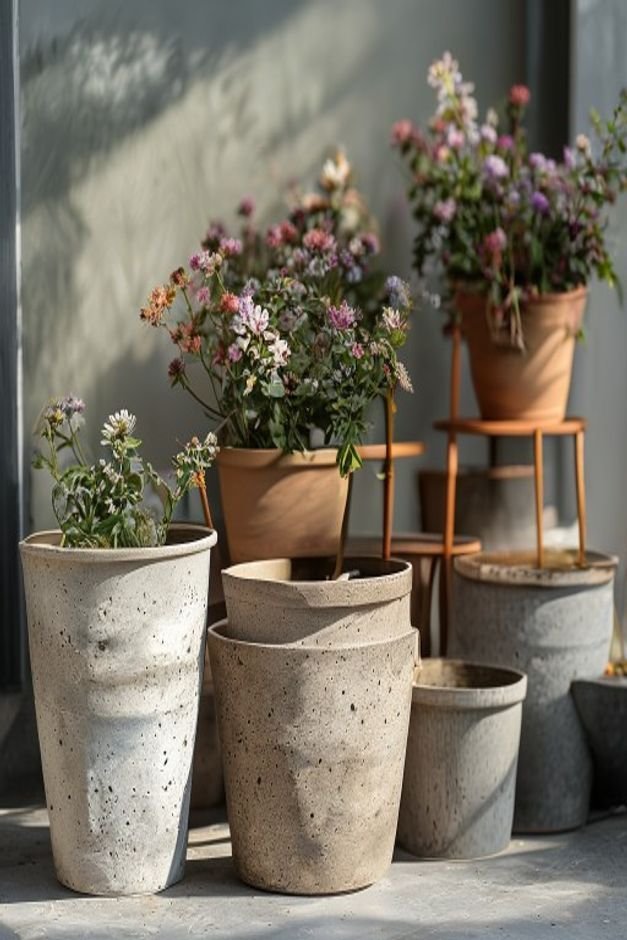
Placement and size are critical for visual balance and impact. A beautiful pot can look out of place if its scale is wrong for its surroundings.
- Rule 5: Think About Weight. Large, heavy pots offer stability, crucial for windy areas or tall plants. Lighter pots are excellent for spaces where you might want to rearrange frequently, like a balcony or a small patio. Consider whether you’ll need to move the pot once it’s filled with soil and a plant.
- Rule 8: Scale to Your Space. A tiny pot will get lost on a sprawling patio, while an oversized one can overwhelm a small balcony. Choose pots that are proportionate to their intended location. A good rule of thumb is to allow the pot to occupy roughly one-third of the visual space it’s in.
- Rule 17: Test Placement Before Committing. Before filling your pot, physically place it in its intended spot. Step back and observe it from different angles. Does it feel right? Does it create the desired visual impact? This simple step can prevent disappointment later.
Cultivating Color and Texture Harmony
Beyond material, the color and texture of your flower pot crafts play a huge role in setting the mood and complementing your plants.
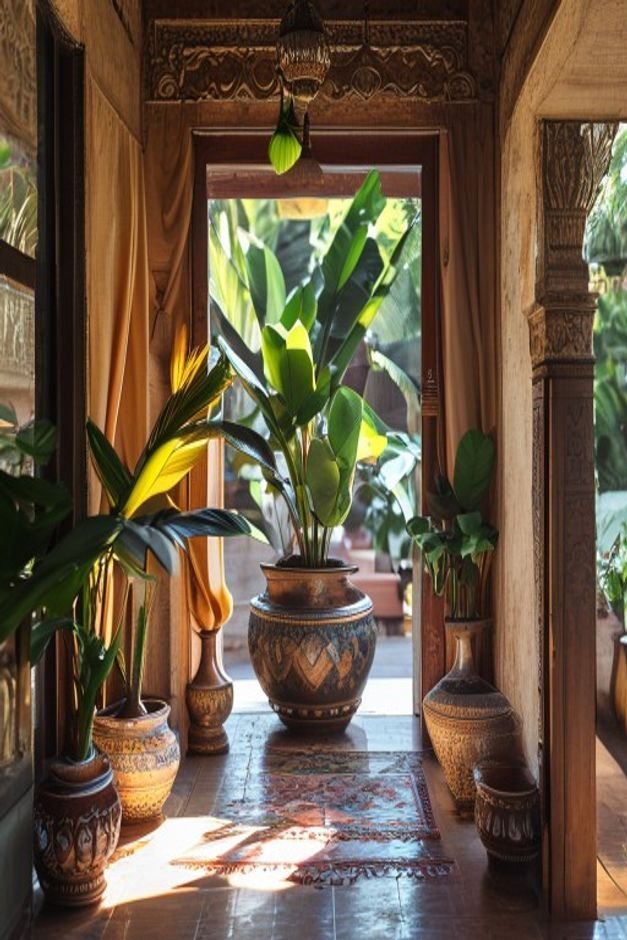
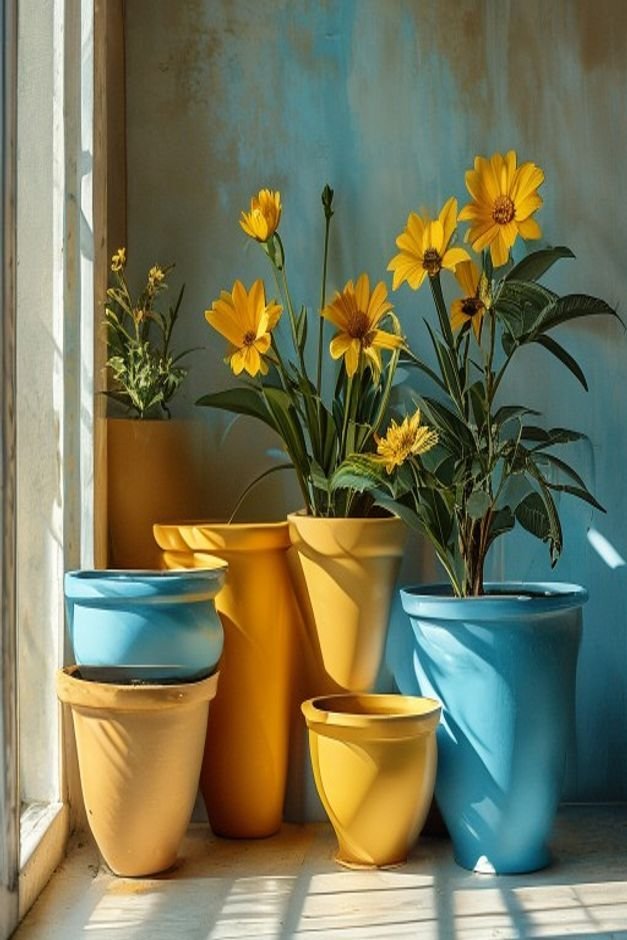
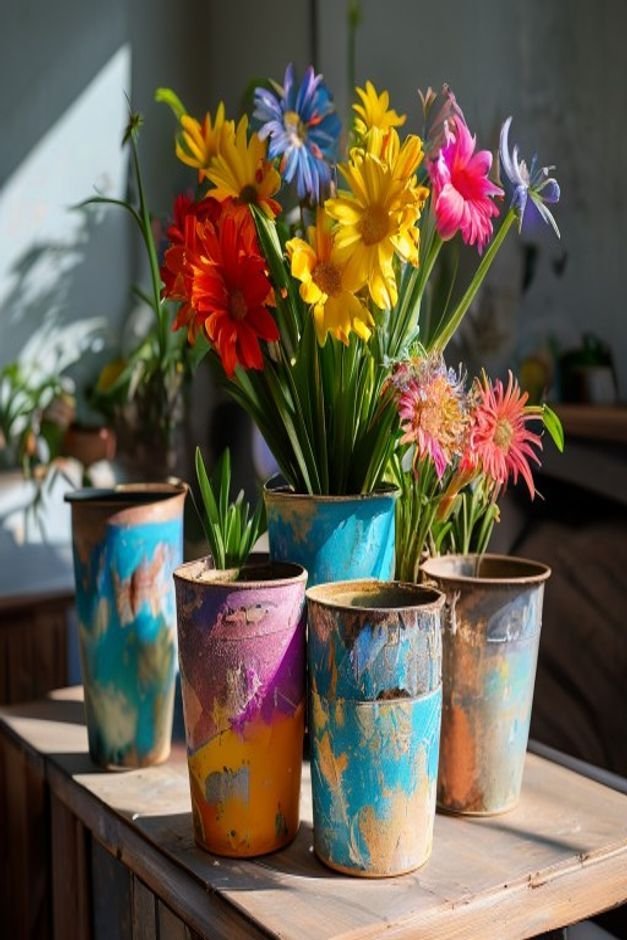
- Rule 6: Choose a Cohesive Color Palette. Your pots don’t all need to be the same color, but they should share a harmonious palette. Earthy tones, cool blues, or vibrant jewel tones can define a garden’s character. Consider how the pot colors will interact with your home’s exterior and the foliage of your plants.
- Rule 7: Incorporate Texture. Mix smooth, rough, glazed, and matte finishes to add visual interest. A smooth, glossy ceramic pot next to a rough, natural stone planter creates a dynamic contrast. Texture adds depth and makes your garden feel more curated and inviting.
Prioritizing Plant Health with Flower Pot Crafts
Ultimately, a flower pot’s primary purpose is to provide a healthy home for your plants. Aesthetics should never compromise functionality.
- Rule 3: Prioritize Drainage. This is arguably the most important rule. Without adequate drainage holes, your plants are susceptible to root rot. Ensure any pot you choose, especially for outdoor use, has sufficient drainage. If a pot lacks holes, be prepared to drill them or use it as a cachepot with an inner nursery pot.
- Rule 4: Assess Pot Size for Plant Growth. A small pot will stunt a large plant’s growth. Consider the mature size of your plant and provide ample room for its roots to spread. Overpotting can also be an issue, as too much soil can retain excess moisture, so aim for a pot that’s a few inches wider than the plant’s current root ball.
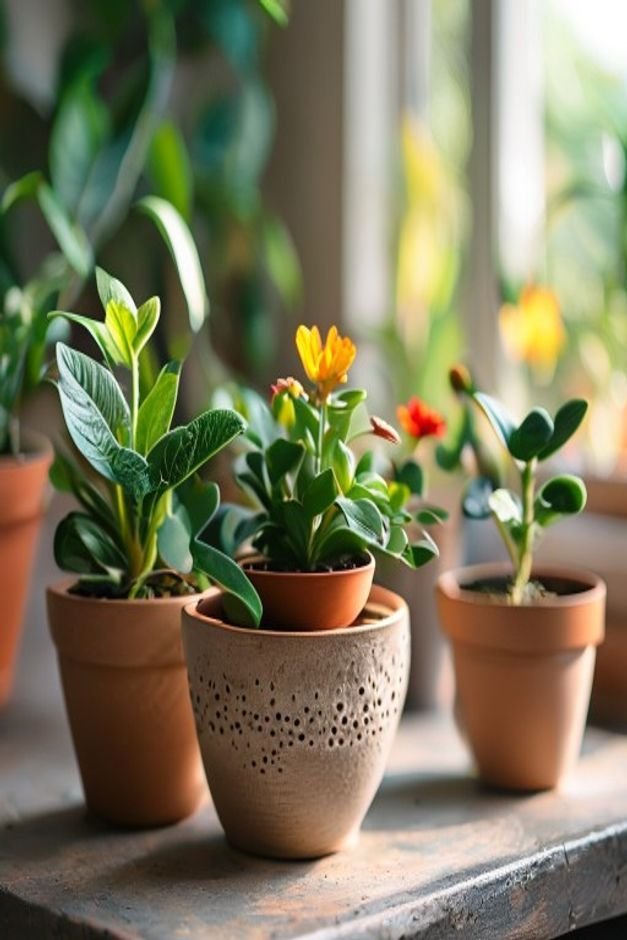
- Rule 9: Consider Plant Companions. If you’re planting multiple species in one pot, ensure they have similar light, water, and soil requirements. Pairing a sun-loving succulent with a shade-loving fern in the same container is a recipe for failure.
Infusing Personal Style and Cohesion
Your garden is an extension of your home and personality. Let your flower pot crafts tell a story about you.
- Rule 10: Reflect Your Personal Style. Don’t just follow trends. Choose pots that genuinely resonate with your taste and the overall style of your home. Whether it’s minimalist, bohemian, traditional, or eclectic, let your pots be a reflection of who you are.
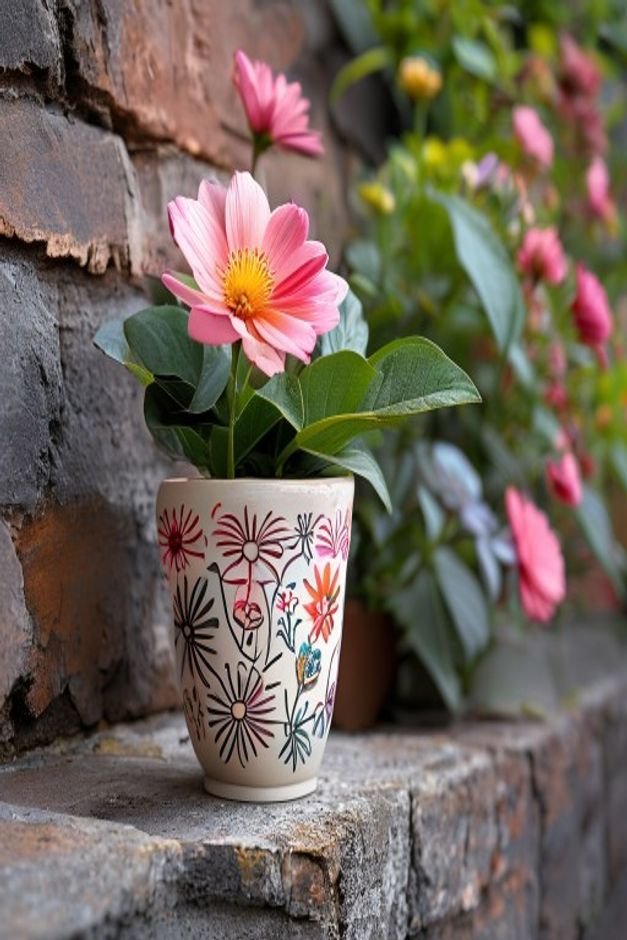
- Rule 11: Balance Craft Complexity. While intricate designs can be beautiful, sometimes simplicity makes a stronger statement. Don’t feel every pot needs elaborate painting or embellishment. A mix of plain and decorated pots often creates a more sophisticated and less cluttered look.
Practicality: Stability and Upkeep
A beautiful garden is also a functional one. Think about the practicalities of living with your chosen pots.
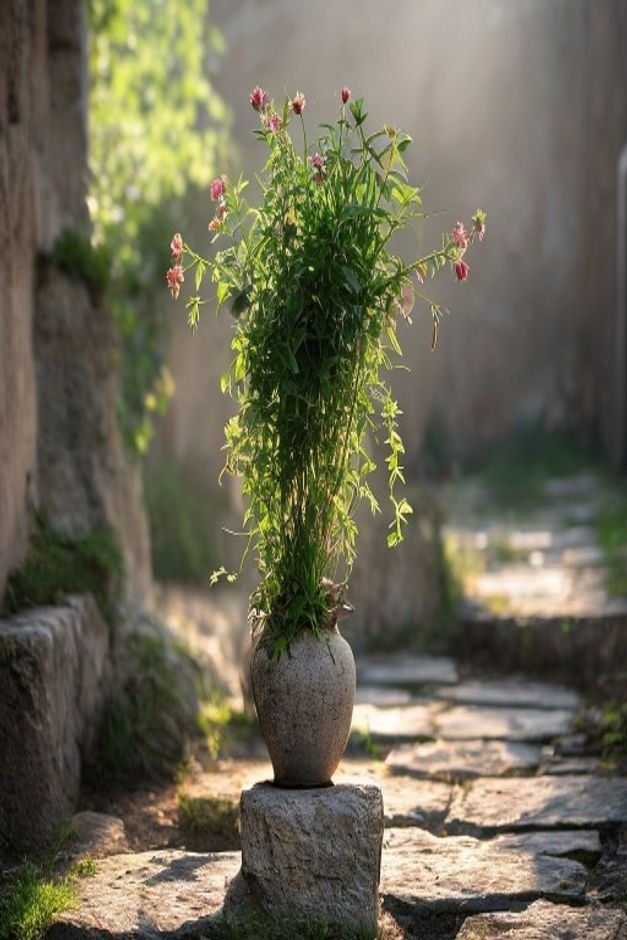
- Rule 12: Ensure Stability. For tall or top-heavy plants, a wide, stable base is essential to prevent tipping, especially in areas prone to wind. Consider adding ballast like stones at the bottom of lighter pots for extra stability.
- Rule 13: Easy Maintenance. Choose pots that are simple to clean and care for. Glazed surfaces are generally easier to wipe down than porous, unsealed ones. Consider how moss, dirt, or hard water stains will affect the look of your chosen material over time.
Smart Choices: Budget and Resourcefulness
Creating a stunning garden doesn’t require an endless budget. Resourcefulness can lead to some of the most unique and charming flower pot crafts.
- Rule 15: Repurpose and Upcycle. Look around your home for items that can be given new life as unique planters. Old tin cans, discarded tires, ceramic bowls, or even broken crockery can be transformed into charming and one-of-a-kind flower pot crafts with a little imagination and effort.
- Rule 16: Budget Wisely. Set a realistic budget for your pots and stick to it. You don’t need to buy the most expensive options to create a beautiful display. Mixing high-end pieces with affordable or DIY crafts can create a rich, layered look without overspending.
A Grounded Approach to Your Garden Style
Choosing flower pot crafts is more than just picking pretty containers; it’s about crafting an outdoor space that feels personal, practical, and truly alive.
By applying these 17 rules, you’re not just making selections; you’re making informed decisions that contribute to the health of your plants and the beauty of your home. Each pot becomes a deliberate stroke in the masterpiece that is your garden.
Embrace the process, trust your instincts, and watch your outdoor sanctuary flourish with thoughtful design.
