There’s a unique satisfaction in personalizing your outdoor space, and painting flower pots is often where that journey begins. You pick the colors, you apply the brushstrokes, and you imagine the vibrant life they’ll hold.
Yet, sometimes, after the paint dries, the pots don’t quite have that polished, intentional look you envisioned.
They might feel a little flat, or perhaps just a step away from truly ‘finished.’ This isn’t about artistic skill as much as it is about smart, simple techniques.
With a few thoughtful additions and adjustments, your painted flower pots can move from charming DIY projects to sophisticated garden accents.
Let’s explore nine easy upgrades that will give your pots a refined, professional presence, enhancing your garden’s overall curb appeal and reflecting your personal style.
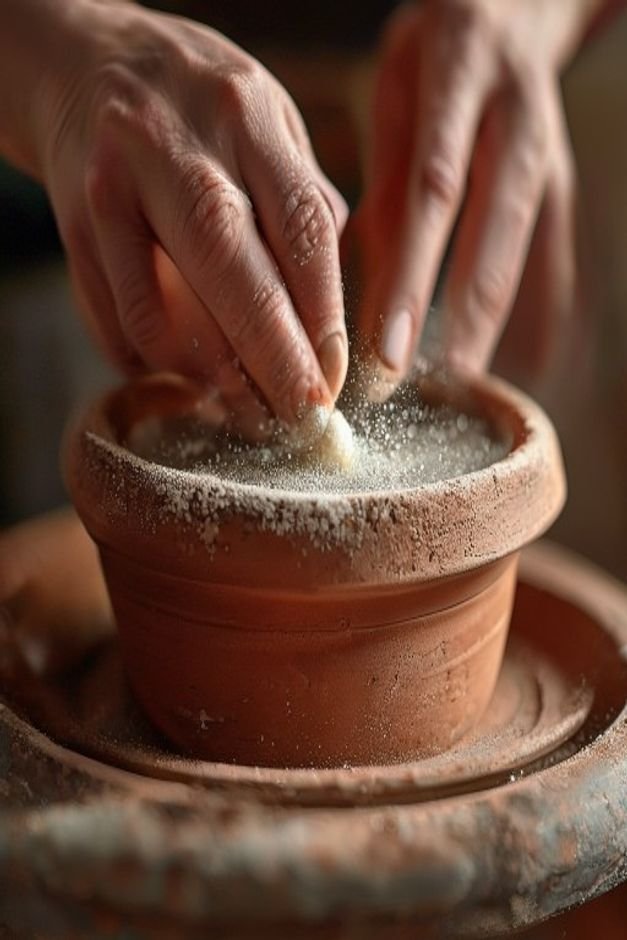
The Foundation of a Great Finish
Before any paint touches your terracotta, a little preparation goes a long way. Start by thoroughly cleaning the pots to remove dirt, dust, and any loose debris. A simple scrub with water and a stiff brush, followed by complete drying, is usually enough.
For a truly smooth surface, a light sanding with fine-grit sandpaper can make a noticeable difference, especially on rougher pots. This creates a better adhesion for the paint and ensures an even, professional-looking coat.
Don’t skip this step; it’s the secret to a durable, flawless finish.
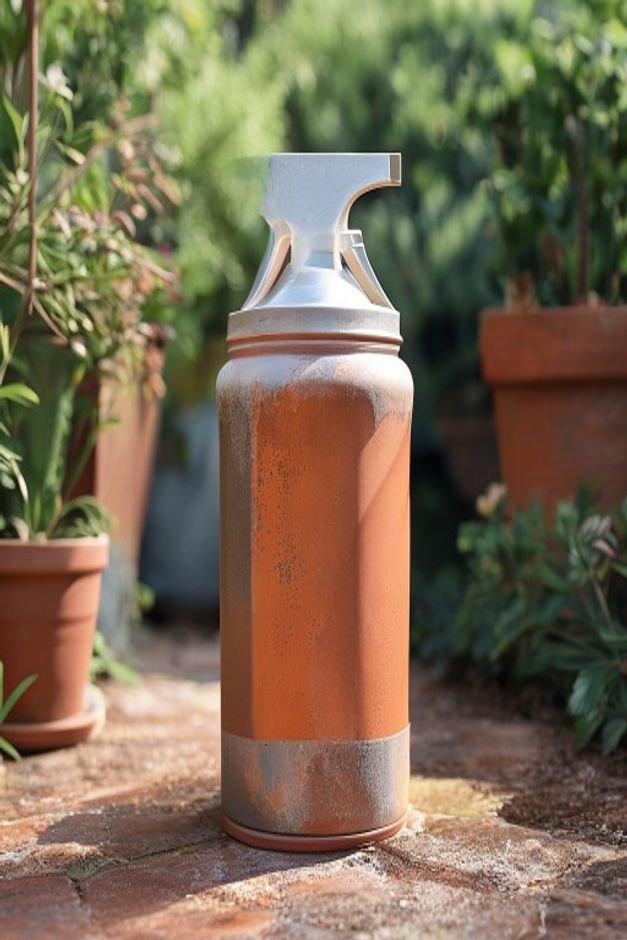
Seal It Right for Lasting Beauty
Moisture and sunlight are tough on outdoor items. To protect your beautiful paint job from chipping, fading, and peeling, a good sealant is essential.
Once your paint is completely dry – and we mean completely – apply at least two coats of a clear, outdoor-grade sealant. Look for options that offer UV protection to prevent color fade.
Both spray-on and brush-on sealants work well; choose based on your preference and the pot’s surface. This protective layer will lock in your design and keep your pots looking fresh through varying weather.
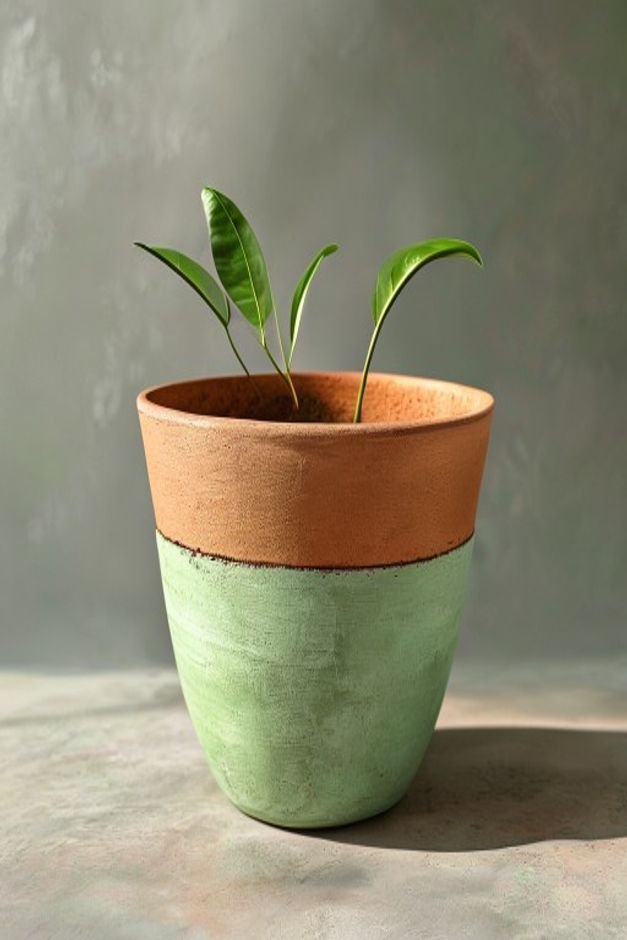
Add a Contrasting Rim or Band
A simple trick to add definition and a finished feel is to paint a contrasting rim or band. This could be a thin stripe of a complementary color just below the lip, or you might leave the very top edge of the natural terracotta exposed.
It provides a visual break and a clean line that frames your main paint color beautifully. Use painter’s tape to achieve sharp edges. This small detail adds an unexpected layer of sophistication, making your pots feel intentionally designed rather than just colored.
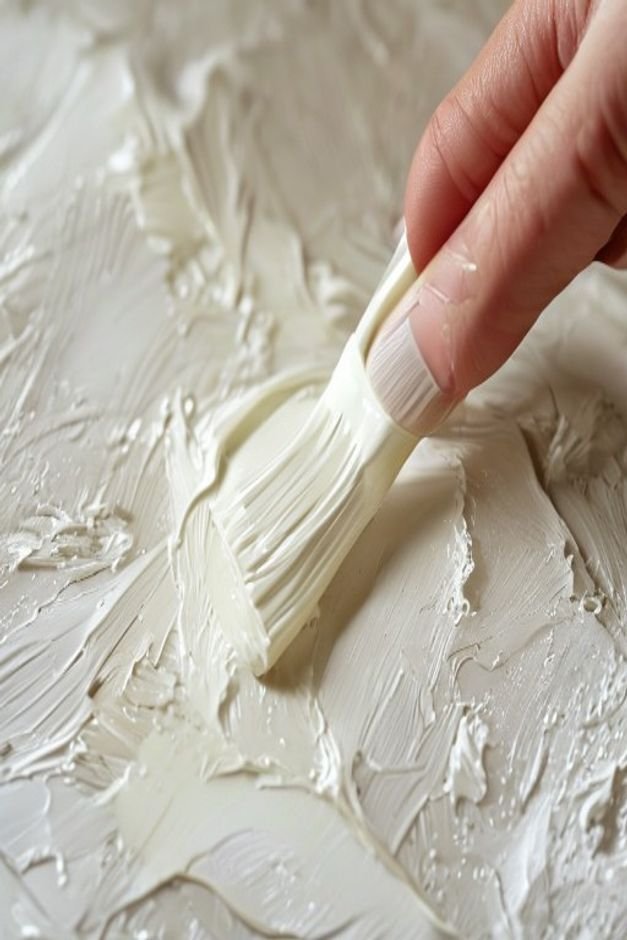
Embrace Texture Through Paint Techniques
Flat, single-color pots can sometimes lack visual interest. Introducing texture through your painting technique can add significant depth. Consider a dry-brush method to create a weathered or distressed look, revealing hints of the base color beneath. Sponging can create a mottled, stone-like appearance.
Even a simple second coat of a slightly different shade can add depth. These techniques provide visual weight and make the pot feel more substantial, integrating it seamlessly into a natural outdoor setting.
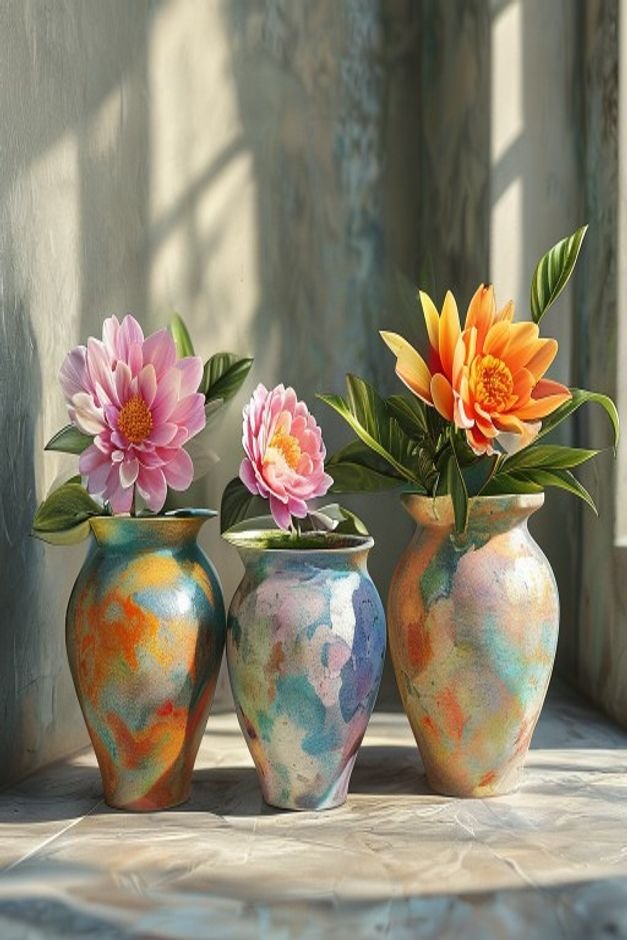
Strategic Plant Pairing for Your Painted Flower Pots
The plant you choose is just as important as the pot itself. A truly finished painted flower pot is one that works in harmony with its living contents.
Think about contrast: a solid-colored pot might shine with a plant that has variegated leaves or delicate flowers. Conversely, a patterned pot might be best paired with a simpler, more architectural plant.
Consider the plant’s growth habit – will it trail, stand tall, or spill over? The right plant can soften edges, add height, or provide a burst of color that completes the entire look.
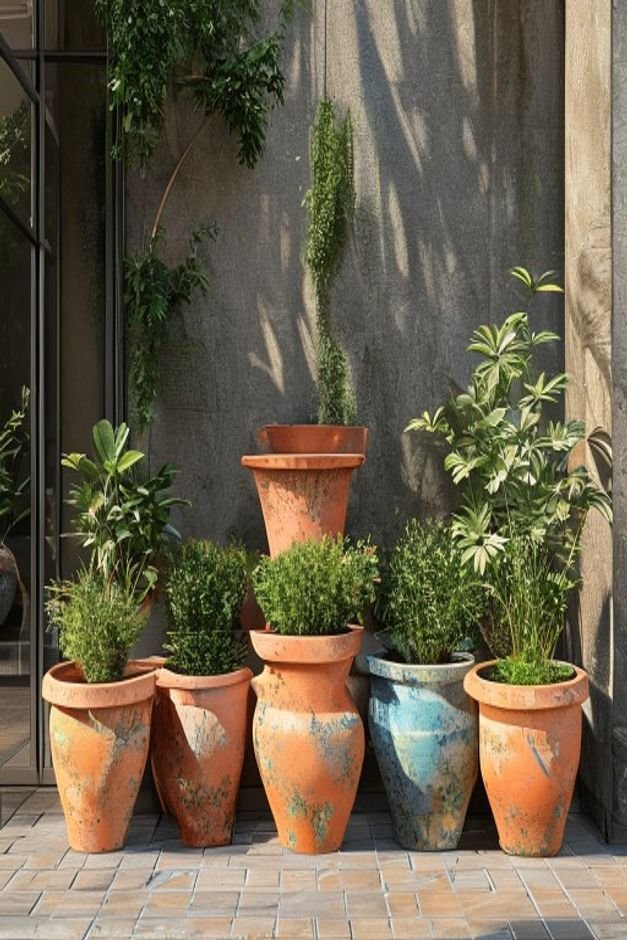
The Power of Intentional Grouping
One pot on its own can be lovely, but a thoughtfully arranged grouping instantly creates a more finished and impactful display. Consider grouping pots of different sizes and shapes, all painted in a cohesive color palette or with complementary finishes.
Arrange them at varying heights – perhaps some on risers, others directly on the ground. This creates a mini-landscape, adding depth and visual interest to a patio corner or garden path.
The interplay of colors, textures, and heights makes the entire arrangement feel intentional and complete.
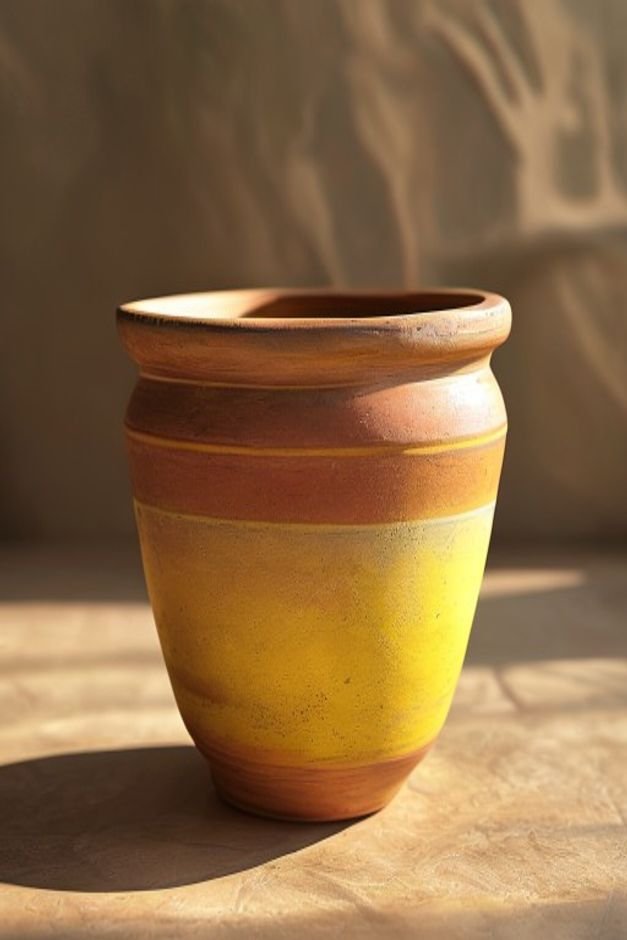
Don’t Forget the Saucer
Often overlooked, the saucer plays a crucial role in the overall presentation of your painted flower pots. A mismatched or plain plastic saucer can instantly detract from an otherwise beautiful pot. Consider painting the saucer to match the pot, using the same color and finish.
Alternatively, choose a complementary color or a neutral tone that blends seamlessly. This small detail unifies the entire display, making it appear more polished and considered, right down to the very base.
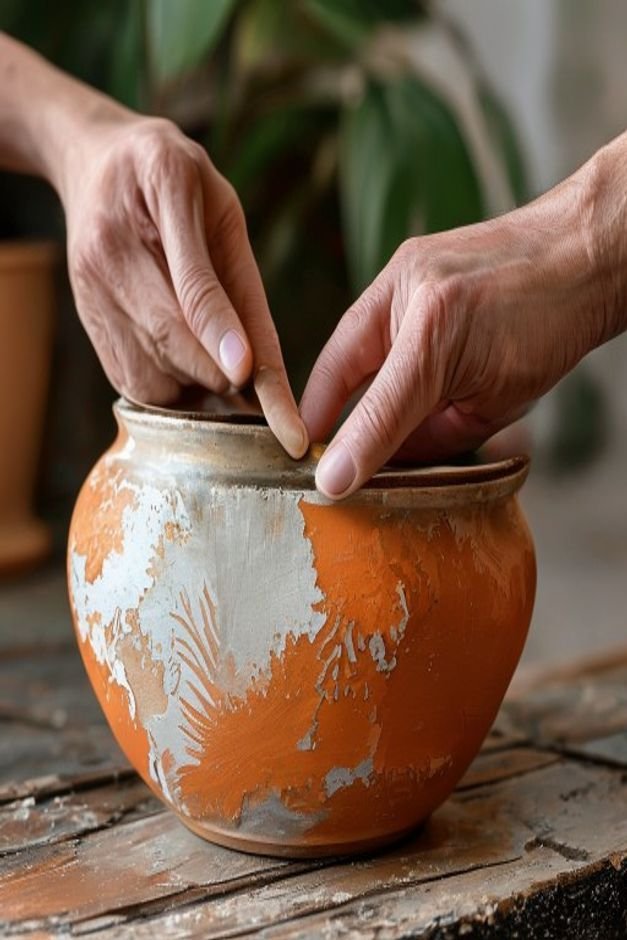
Stencil a Subtle Pattern
For an added touch of refinement, a subtle stenciled pattern can transform a plain painted pot into a work of art. Instead of bold, overwhelming designs, think about delicate geometric patterns, simple floral motifs, or even a repetitive abstract shape.
Use painter’s tape or adhesive stencils for clean lines. A single band of pattern around the middle or just below the rim can be incredibly effective. This detail adds visual texture and complexity without making the pot feel busy, lending an artisanal quality.
The Patina of Time and Intentional Aging
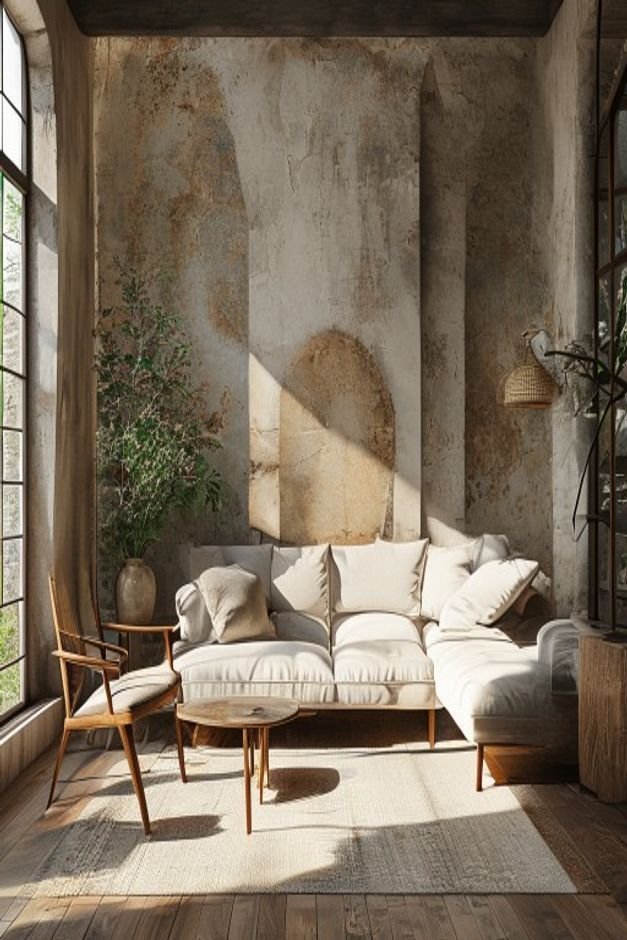
Sometimes, the most finished look isn’t perfectly pristine, but thoughtfully aged. You can encourage a beautiful patina on your painted flower pots, especially terracotta, by allowing natural mineral deposits to build up over time.
For a faster effect, a light wash of watered-down white paint or even yogurt brushed on and allowed to dry can mimic moss or mineral stains.
This intentional aging adds character, depth, and a sense of history, making your pots feel like cherished garden heirlooms rather than brand-new additions. It speaks to a grounded, enduring style.
Bringing Your Painted Flower Pots to Life
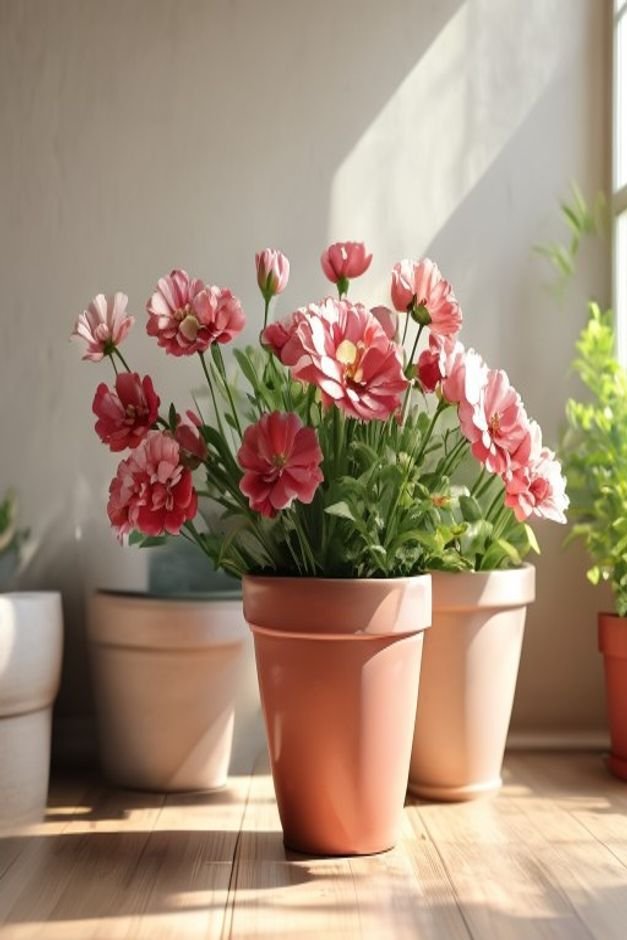
From the first brushstroke to the final plant pairing, every detail contributes to the story your garden tells. Giving your painted flower pots that extra touch of finish isn’t about complex techniques or expensive materials; it’s about thoughtful attention to detail.
Whether you’re smoothing the surface, sealing the color, or carefully choosing a companion plant, these small upgrades make a significant difference. They transform simple pots into statement pieces, ensuring your outdoor spaces feel truly personal, inviting, and wonderfully complete.
Your garden is an extension of your home, and with these tips, your pots will reflect that care and artistry.
