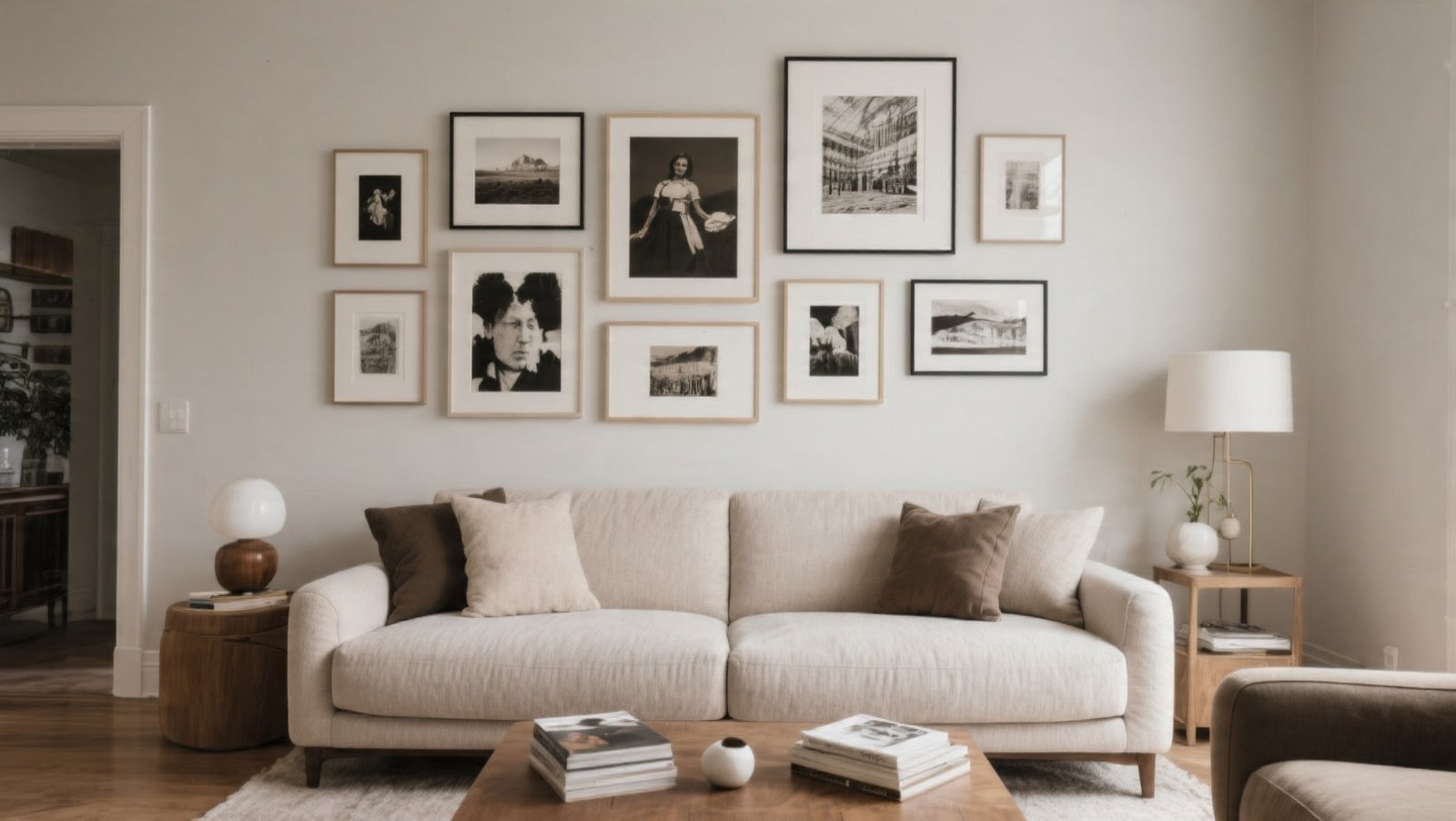
The wall above your sofa is arguably the most significant blank canvas in your living room. It’s often the largest, most visible expanse of wall, and how you treat it profoundly impacts the overall feel of your space.
Too often, this prime real estate ends up with an afterthought piece of art, or a collection that feels more like clutter than curation.
The goal isn’t just to fill the space, but to make your above sofa wall decor feel intentional, cohesive, and visually compelling.
Achieving this requires a thoughtful approach, considering everything from scale and proportion to texture and lighting. It’s about creating a focal point that complements your sofa and the room as a whole, rather than competing with it.
Here are 19 better ways to ensure your wall decor above the sofa feels purposeful and perfectly placed.
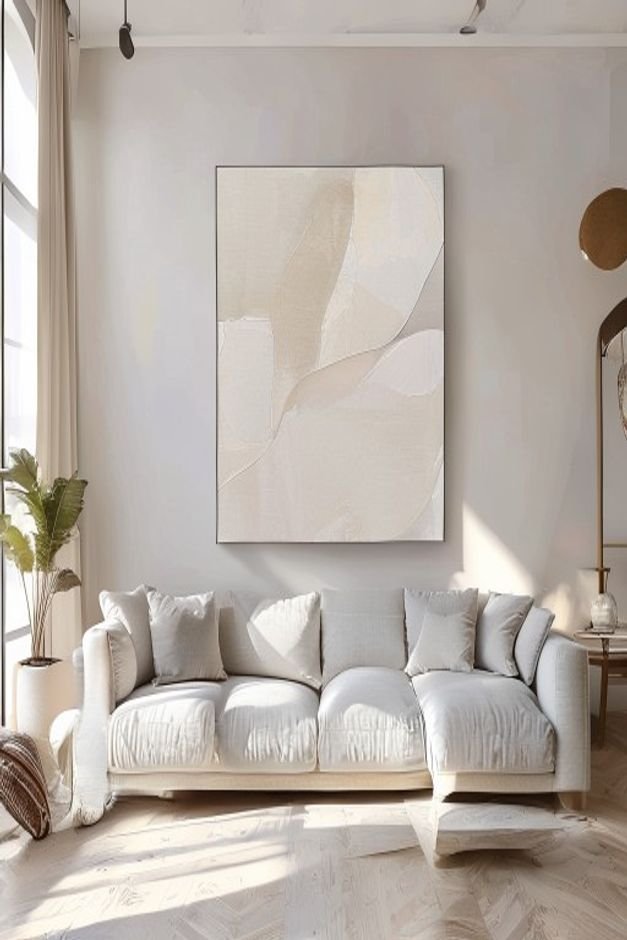
Understanding Scale and Proportion
One of the most common missteps in above sofa wall decor is incorrect scaling. An artwork that is too small will appear lost and insignificant, while one that is too large can overwhelm the sofa and the room.
A good rule of thumb is for the artwork or collection to occupy approximately two-thirds to three-quarters of the sofa’s width.
Consider the height as well. The bottom edge of your decor should ideally be hung about 6-8 inches above the back of the sofa. This creates a visual connection without feeling cramped or floating too high.
This foundational principle ensures your decor feels integrated, not just hung.
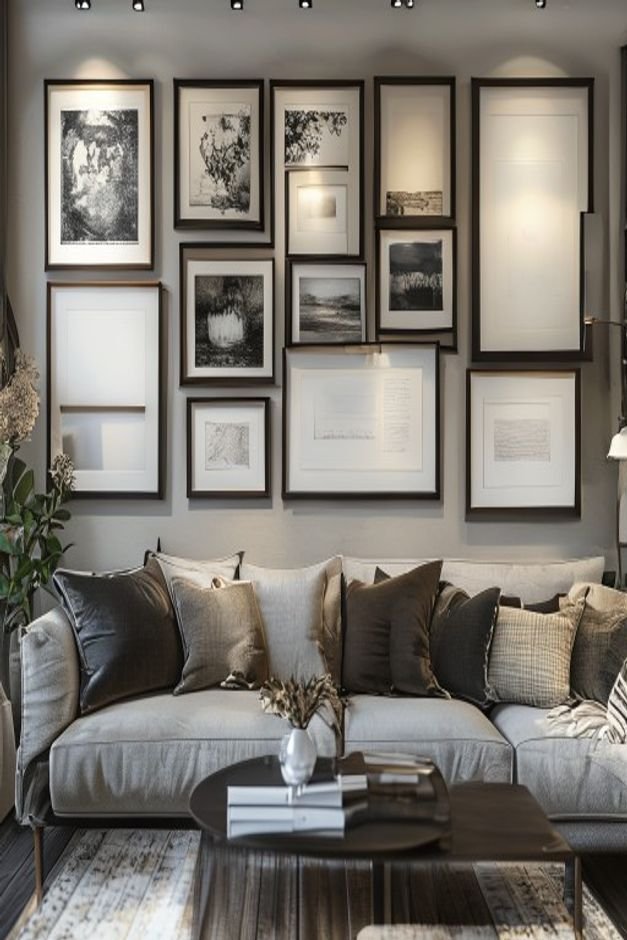
Creating a Gallery Wall with Purpose
A gallery wall can be incredibly impactful, but it needs a clear vision. Instead of haphazardly hanging frames, decide on a theme or a color palette.
Mix frame styles and sizes for visual interest, but ensure there’s a unifying element, like all black frames, or a consistent subject matter.
Lay out your arrangement on the floor first. This allows you to experiment with spacing and balance before committing to holes in the wall. Aim for consistent spacing between frames, usually 2-4 inches, to create a cohesive look.
The entire gallery should adhere to the two-thirds width rule relative to your sofa.
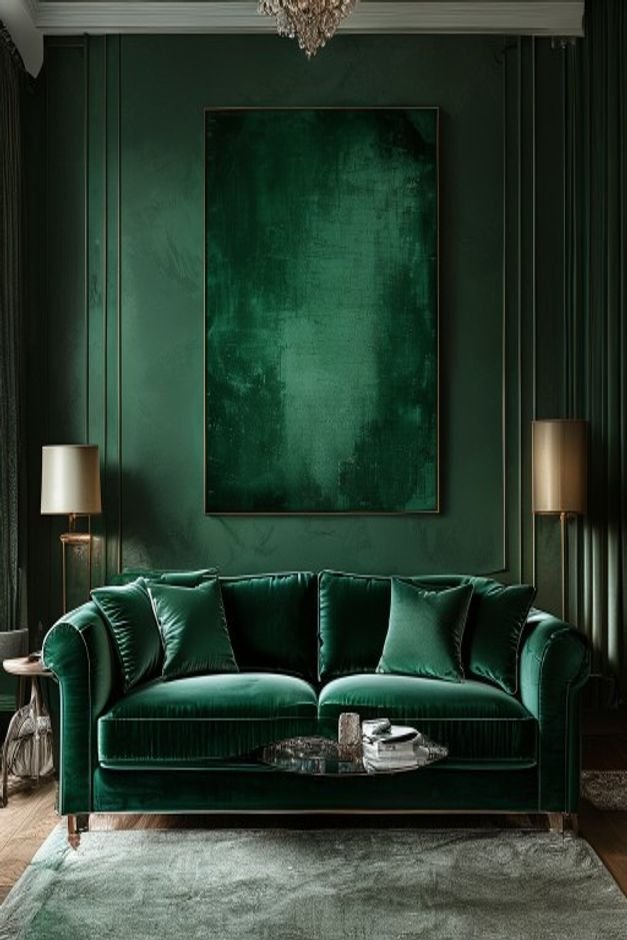
The Power of a Single Statement Piece
Sometimes, less is more. A single, oversized piece of art can make a powerful, sophisticated statement. This approach works particularly well in minimalist or contemporary spaces. Choose a piece with strong visual interest, whether it’s a bold abstract, a captivating landscape, or a striking portrait.
Ensure the piece is substantial enough to hold its own. It should be wide enough to command attention without extending beyond the sofa’s edges. A large canvas can anchor the entire seating area, drawing the eye and setting the mood for the room.
Integrating Mirrors for Depth and Light
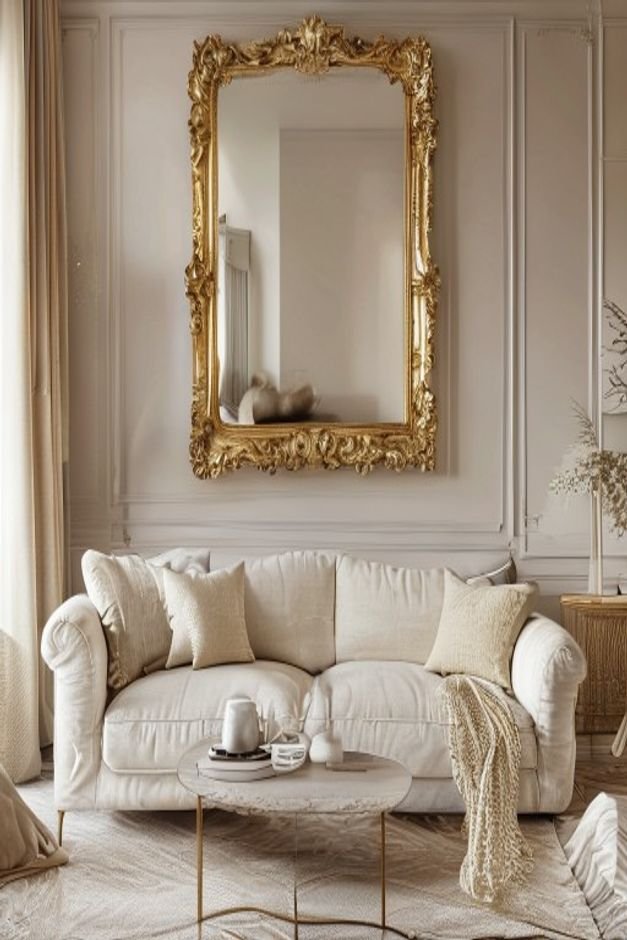
Mirrors are more than just reflective surfaces; they are strategic design tools. A large mirror above the sofa can dramatically expand the perceived size of a room, especially in smaller spaces. It also bounces light, making the room feel brighter and more open.
Choose a mirror with an interesting frame to add character. Consider its reflection: what will it be showcasing? Position it to reflect a window, an interesting architectural feature, or another beautiful part of your room. Avoid reflecting clutter or a blank wall.
Exploring Textile Art and Tapestries
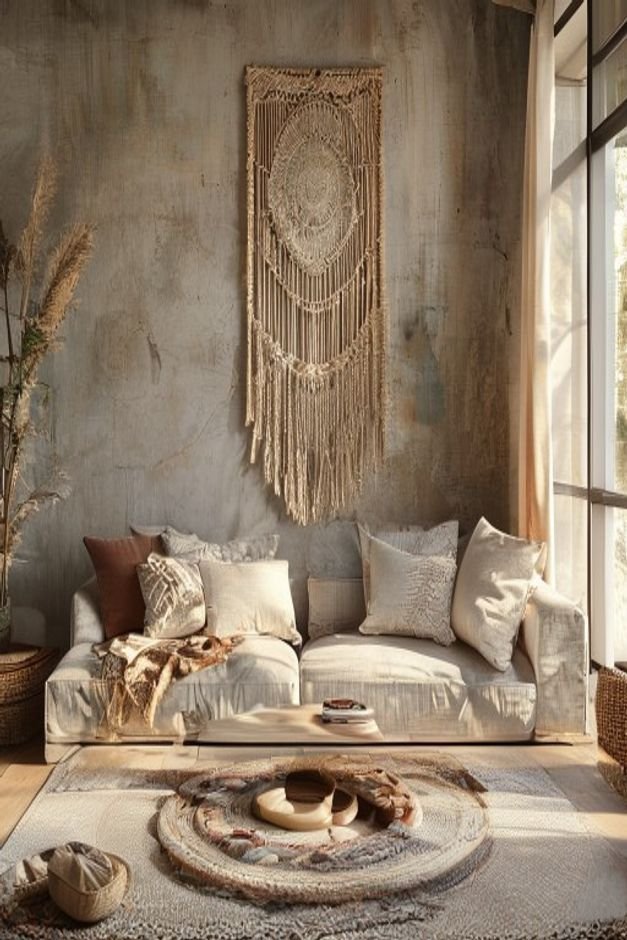
For warmth, texture, and a touch of bohemian or global flair, consider textile art. A woven tapestry, a macrame hanging, or even a beautiful quilt can add softness and visual interest that differs from traditional framed art.
These pieces introduce a tactile quality that enriches the room.
Textile art can be particularly effective in rooms that feel a bit too angular or stark. The natural fibers and intricate patterns soften lines and absorb sound, contributing to a more comfortable and inviting atmosphere.
Ensure the scale is appropriate, similar to how you would approach a large piece of framed art.
Building a Floating Shelf Arrangement
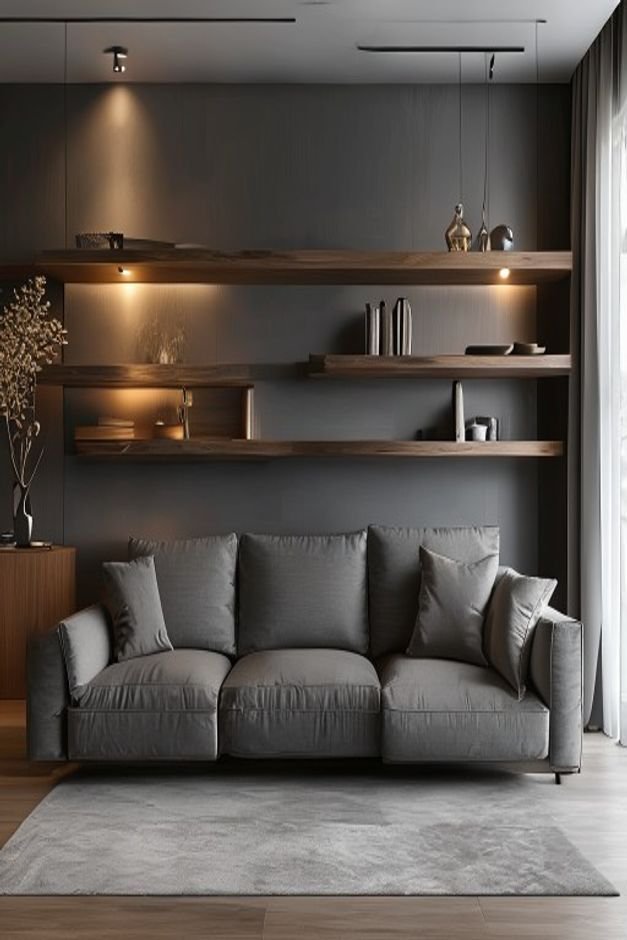
Floating shelves offer versatility and a chance to display a curated collection of objects. Instead of hanging individual pieces, install one or two long shelves above your sofa. These can hold smaller framed art, sculptural objects, plants, and books.
The key to success here is careful styling. Group items in odd numbers, vary heights and textures, and leave some breathing room on the shelves. This creates an ever-evolving display that feels intentional and personal.
Remember to maintain the overall two-thirds width proportion relative to the sofa.
Symmetry and Asymmetry in Design
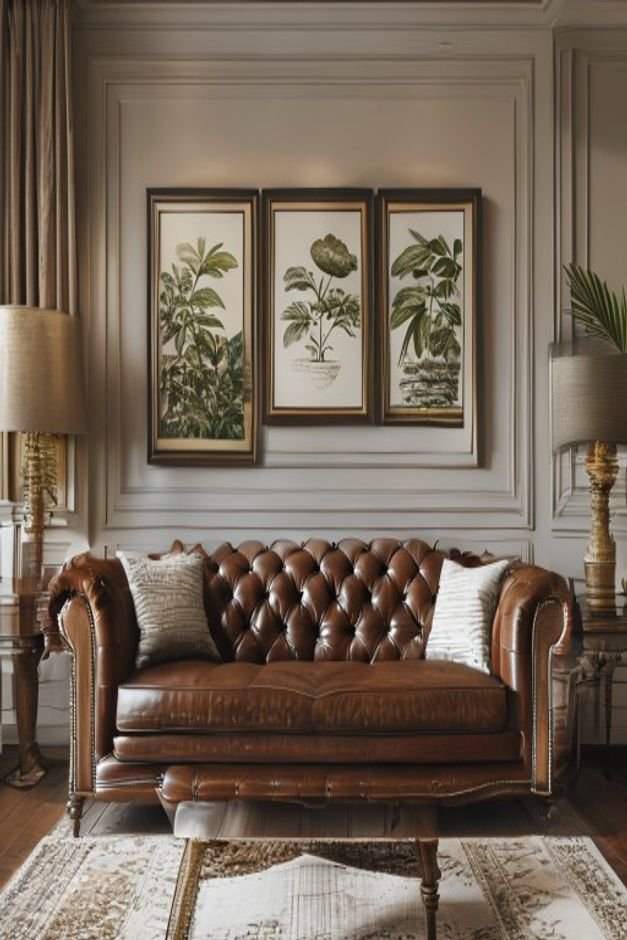
Both symmetrical and asymmetrical arrangements can be intentional, depending on the desired effect. A symmetrical display, often two identical framed prints or sconces flanking a central piece, creates a sense of calm, balance, and formality. This works well in traditional or classic interiors.
Asymmetrical arrangements, on the other hand, offer dynamic energy and a more modern, relaxed feel. This could be a gallery wall with varied sizes and placements, or a single large piece balanced by a smaller, complementary element.
The intention lies in the thoughtful balance, not necessarily perfect mirroring.
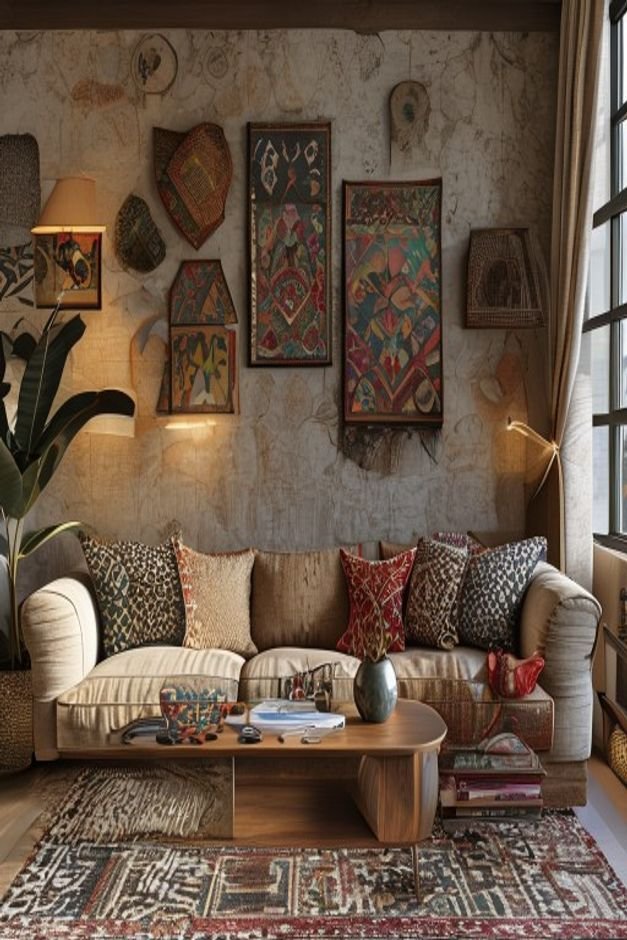
Beyond the Frame: Sculptural Elements
Don’t limit your above sofa wall decor to flat art. Three-dimensional sculptural elements can add incredible depth and character. This could be anything from a set of decorative plates, a cluster of woven baskets, or a striking metal wall sculpture.
These pieces introduce shadow and form, breaking up the flatness of the wall. When incorporating sculptural elements, consider how they interact with light throughout the day and how their textures contribute to the room’s overall aesthetic.
Group them thoughtfully, treating the collection as a single cohesive unit.
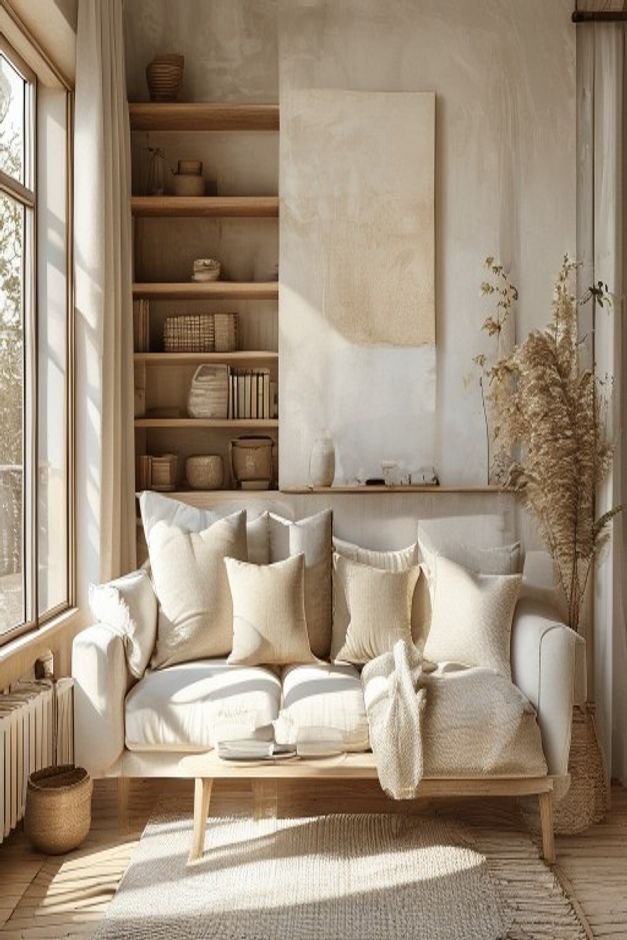
Layering for Visual Interest
For a truly intentional and designer-like feel, consider layering. This technique involves placing objects in front of others to create depth. For example, a large piece of art could have a smaller, complementary piece leaning on a narrow console table directly in front of it.
Another approach is to layer a smaller mirror over a larger piece of art or even a textile. This adds complexity and a curated feel, moving beyond a simple hang-and-display method.
Ensure that each layer still serves a purpose and doesn’t obscure the beauty of the pieces behind it.
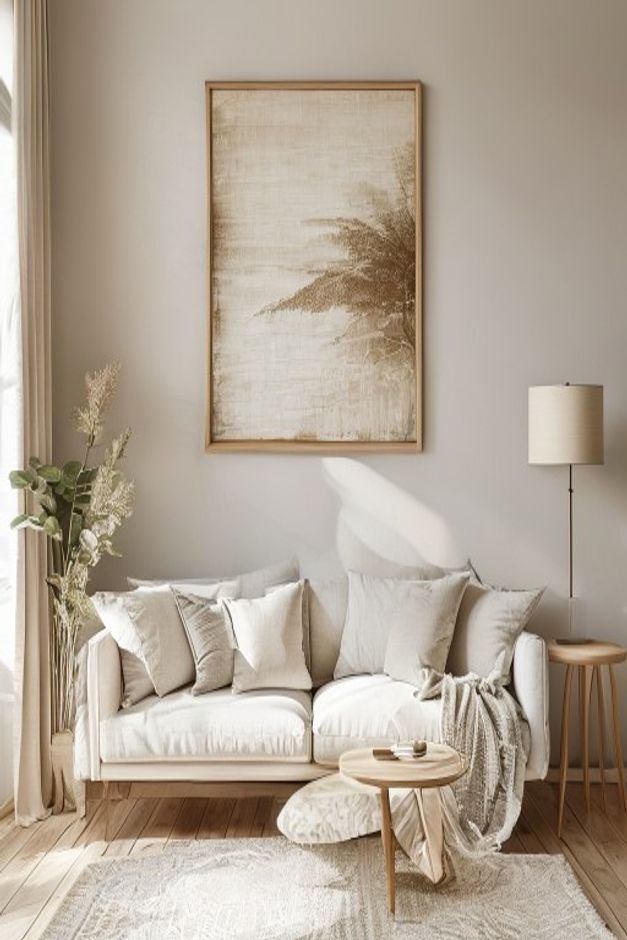
A Cohesive Look for Above Sofa Wall Decor
Ultimately, making your above sofa wall decor feel intentional comes down to thoughtful decision-making and a strong understanding of design principles. It’s about seeing that wall as an integral part of your living room’s story, not just a space to fill.
By considering scale, proportion, texture, and light, you can create a display that not only looks good but genuinely enhances your home.
Whether you opt for a bold statement, a curated gallery, or a textural display, the key is to approach it with purpose. Each piece should contribute to a harmonious whole, making your living room feel complete, sophisticated, and uniquely yours.
