A common sight in many Indian homes is a collection of mismatched pots huddled on a balcony or lining a driveway. While the plants themselves bring life, the containers often feel like an afterthought, ranging from weathered plastic to stained terracotta.
Using painted flower pots is one of the most effective ways to bring visual order to these spaces without replacing your entire inventory of greenery.
Paint acts as a bridge between your home’s architecture and the natural world outside. By choosing a specific palette, you can turn a chaotic group of containers into a deliberate design choice .
It is not just about adding color; it is about controlling how the eye moves across your garden or patio. A well-placed set of painted containers can ground a space, making it feel finished and cared for throughout the year.
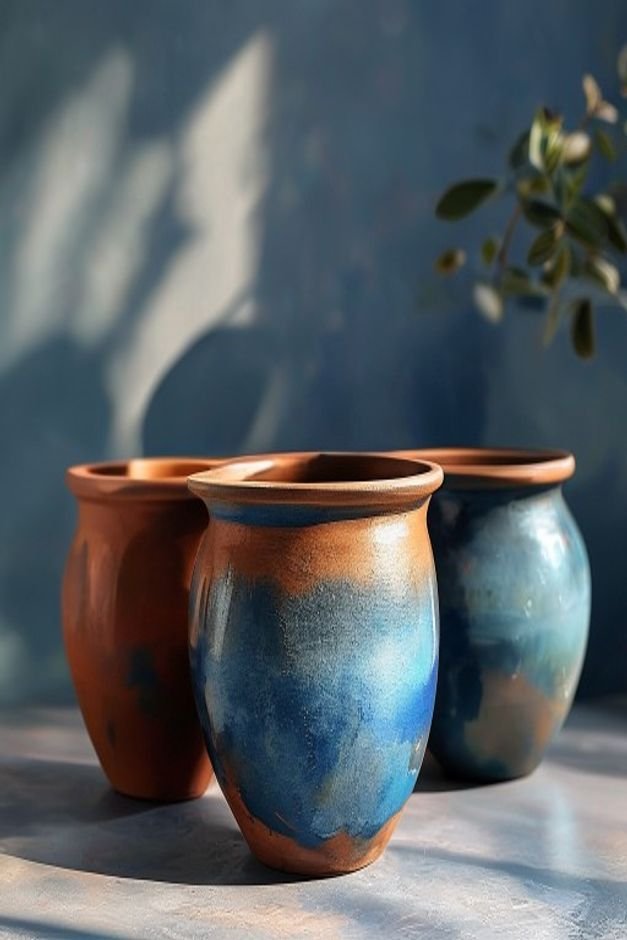
Establishing a Cohesive Monochromatic Palette
< p>One of the simplest ways to use painted flower pots is to stick to a single color family. When you have a variety of pot shapes and sizes, painting them all in different shades of the same blue or green creates an instant sense of harmony. This approach works particularly well in small urban balconies where space is limited and visual clutter can quickly become overwhelming.
Think about the tone of your home’s exterior walls. If you have light-colored walls, choosing a range of deep teals or forest greens can provide a sophisticated contrast.
If your space is already dark, using varying tints of white or soft grey will help reflect light and make the area feel larger. This monochromatic strategy allows the textures of the leaves to take center stage while the pots provide a quiet, rhythmic background.
For a more dynamic look, try a gradient effect across a row of pots. Start with a deep shade on the largest container and move toward a lighter version of the same color as the pots get smaller.
This creates a flow that feels intentional and professional, resembling a high-end landscape design rather than a collection of random plants.
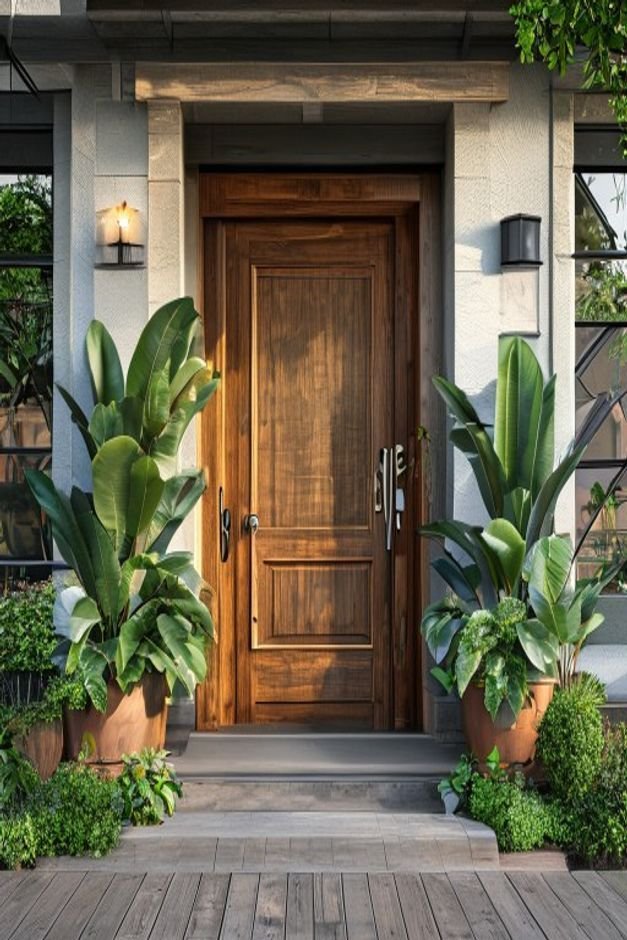
Designing an Organized Entryway Layout
The entrance to your home sets the tone for everything inside. Using oversized painted flower pots near the front door is a classic way to improve curb appeal.
Instead of many small pots that can look messy, choose two or three large containers and paint them in a color that complements your front door. A deep charcoal or a warm stone grey often looks better than bright, distracting colors in this high-traffic area.
Scale is crucial here. Large pots painted in a solid, neutral color provide a sense of stability. They frame the doorway and guide guests toward the entrance.
If you have stairs leading up to your home, placing a single painted pot on every second step creates a beautiful, staggered visual that draws the eye upward. Make sure the paint finish is durable enough to withstand the elements, especially during heavy monsoon rains.
Consider the symmetry of your layout. Matching pots on either side of a door or gate creates a formal, balanced look. If you prefer a more relaxed aesthetic, cluster three pots of different heights in one corner.
By painting them in the same matte finish, you ensure they look like a set, even if their shapes are completely different. This organization makes a home look well-maintained from the street.
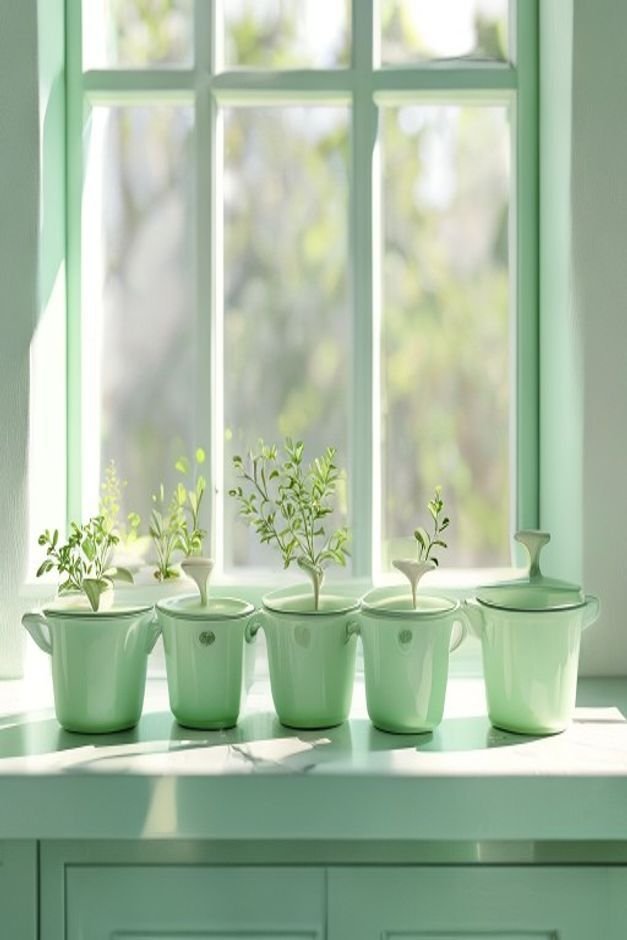
Managing a Functional Kitchen Herb Garden
Bringing greenery into the kitchen is both practical and aesthetic. However, small herb pots often look cluttered on a countertop or windowsill. Using small, painted flower pots to house your basil, mint, and coriander can turn a functional necessity into a kitchen feature.
Choose colors that coordinate with your cabinetry or backsplash to make the garden feel like part of the room’s permanent design.
You can use paint to help with organization as well. Some people choose to paint their herb pots in different colors to identify the plants at a glance—for example, shades of green for savory herbs and warmer tones for flowering edible plants.
This is especially helpful if you have a large variety of seedlings that look similar in their early stages of growth.
Because these pots are kept indoors, you can experiment with more delicate finishes that might not hold up as well outside. A soft satin sheen or a subtle metallic trim can add a touch of refinement to the kitchen.
Just ensure that the interior of the pot remains unpainted or is sealed with a food-safe liner to protect the herbs you plan to consume.
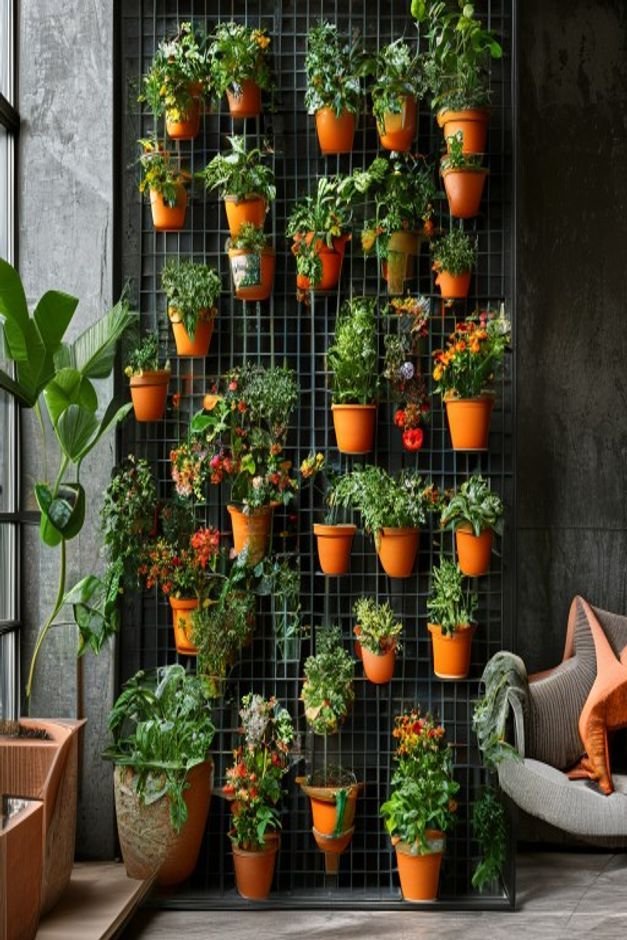
Creating Height and Depth on Balconies
Indian apartments often have narrow balconies where floor space is at a premium. Using painted flower pots in conjunction with stands and wall mounts allows you to move the greenery off the ground.
When you paint the pots to match the color of the stands or the wall behind them, they seem to float, which creates a sense of openness and airiness in a tight space.
Vertical styling is about more than just saving space; it is about creating layers. Place larger, darker painted pots on the floor and use lighter, brighter pots on higher shelves. This arrangement keeps the “visual weight” at the bottom, which feels more stable and natural.
Trailing plants like money plants or string of pearls look particularly striking when spilling over the edge of a high-set, brightly painted container.
Don’t forget the underside of the pots if they are placed on high glass-top tables or wire racks. In these cases, the bottom of the pot is visible. A clean, uniform coat of paint ensures that every angle of your garden looks polished.
This attention to detail is what separates a basic plant collection from a curated outdoor living area.
Using Stencils for Architectural Interest
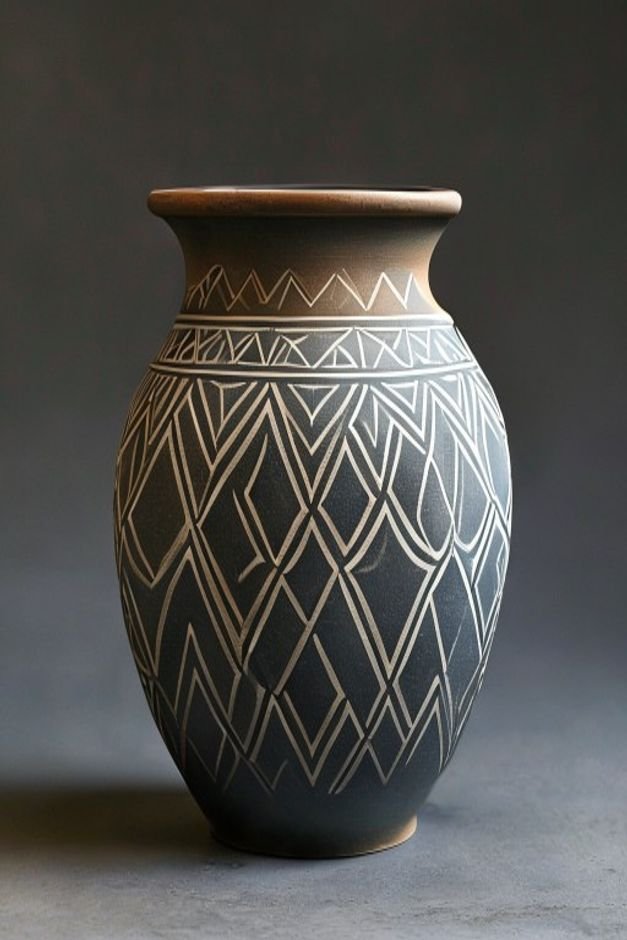
If solid colors feel too plain, using stencils on your painted flower pots can introduce patterns that mimic tiles or fabric. This is a great way to add a bit of personality without the pots becoming too busy.
Geometric patterns, such as simple chevrons or diamonds , work well in modern homes, while softer floral motifs can suit a more traditional or rustic space.
The trick with stenciling is to keep the color palette limited. A white pattern over a terracotta or grey base is usually enough to add interest without clashing with the plants. You want the pattern to enhance the pot’s shape, not compete with the foliage.
For example, a vertical stripe pattern can make a short, squat pot appear taller and more elegant.
This technique is also useful for masking imperfections in older pots. If a container has a small crack or a salt stain that won’t come off, a bit of textured paint and a strategic stencil can hide the flaw entirely.
It is a cost-effective way to refresh your garden inventory without contributing to landfill waste by throwing away perfectly functional containers.
Balancing Bold Colors with Foliage T ones
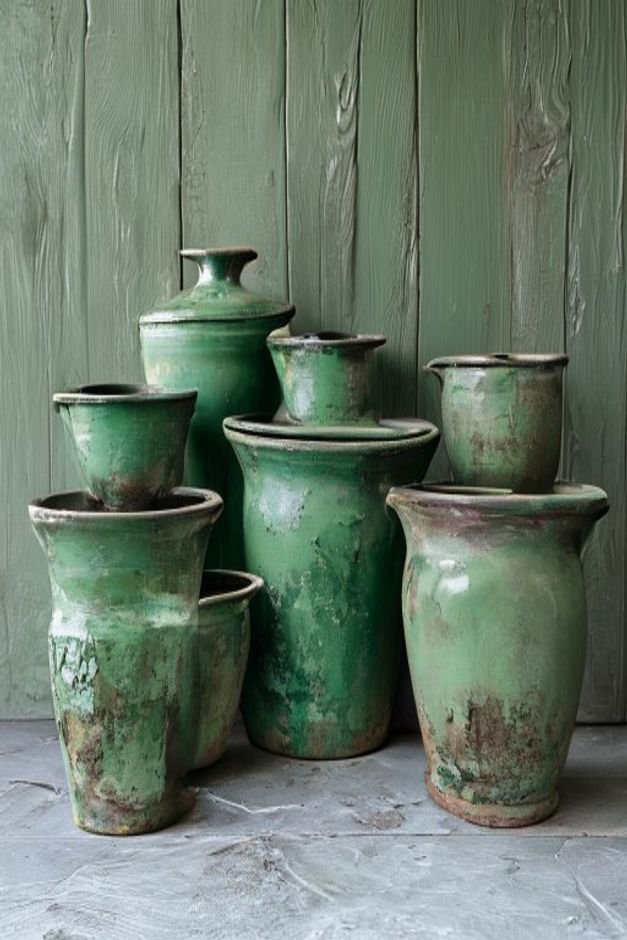
When selecting colors for your painted flower pots, always consider the color of the leaves and flowers the pot will hold. Dark green foliage looks stunning against a pale yellow or a soft peach pot.
Conversely, plants with variegated leaves—those with white or yellow splashes—often look best in dark, solid-colored pots that allow the intricate leaf patterns to stand out.
If you have a plant that produces bright red or orange flowers, like a hibiscus or a desert rose, a neutral pot in a cool grey or off-white will keep the focus on the blooms.
If the pot is too bright, it can distract from the natural beauty of the plant. The goal is for the pot to serve as a frame, enhancing the subject rather than competing with it.
For succulents and cacti, which often have muted, dusty tones, try pots painted in earthy och re or terracotta-red. These colors mimic the natural environments where these plants thrive, creating a more authentic and grounded look.
This thoughtful pairing of plant and container shows a high level of styling expertise.
Implementing Matte Finishes for Modern Spaces
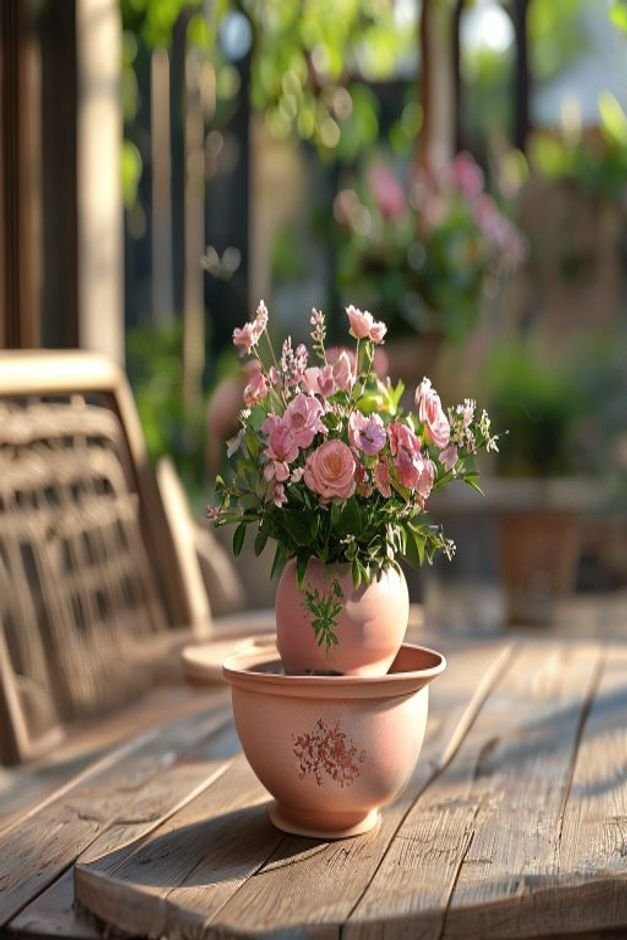
The finish of the paint is just as important as the color. In recent years, matte finishes have become a favorite for modern home gardens. Matte paint doesn’t reflect light in a harsh way, which makes the colors look deeper and more sophisticated.
It also hides the rough texture of terracotta better than glossy paint, which can sometimes highlight bumps and dips in the clay.
Matte painted flower pots have a stone-like quality that feels very premium. They work well in minimalist interiors or on contemporary patios with clean lines and metal furniture.
If you are worried about the pots looking too flat, you can add a bit of texture by mixing a small amount of fine sand into the paint before applying it. This gives the pot a weathered, artisanal feel that looks like high-end pottery.
While gloss finishes are easier to wipe clean, matte finishes provide a more organic look that blends seamlessly with the natural world. If you do choose a matte
paint for outdoor use, ensure it is a high-quality mineral-based or acrylic paint that won’t chalk or peel when exposed to direct sunlight and high temperatures.
Protecting Plant Health with Proper Painting
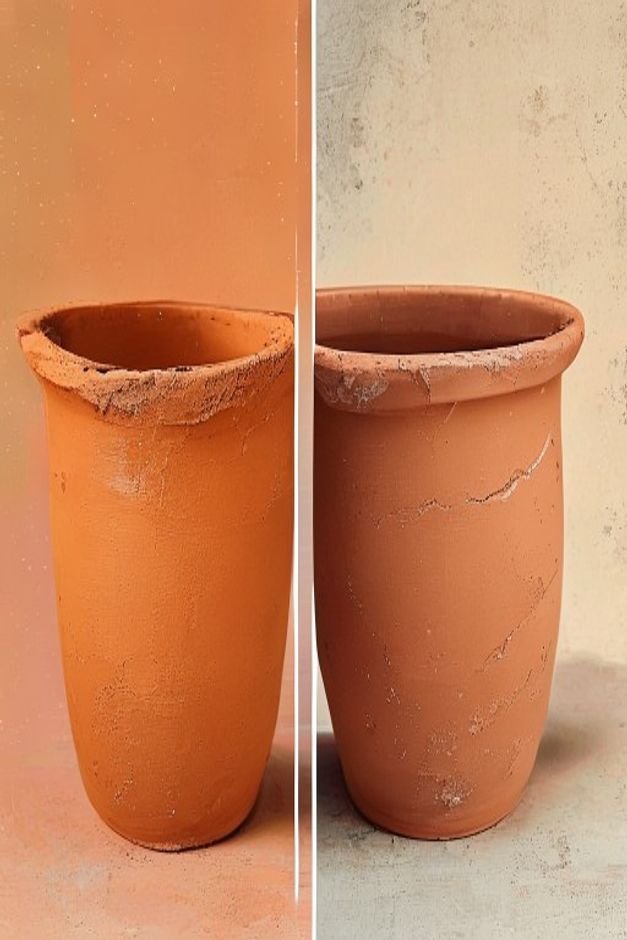
A common mistake when using painted flower pots is forgetting that the plants need to breathe. Terracotta is naturally porous, allowing air and moisture to move through the walls of the pot.
When you apply a thick layer of non-breathable paint, you essentially seal the pot, which can change how you need to water your plants. Soil will stay damp for longer in a painted pot than in a raw clay one.
To keep your plants healthy, use breathable paints specifically designed for masonry or garden use. Avoid painting the inside of the pot, as this is where the roots need the most air.
If you are painting plastic pots, breath ability is not an issue, but you must use a primer to ensure the paint doesn’t flake off as the plastic expands and contracts in the heat.
Always ensure the drainage holes at the bottom of the pot remain clear of paint. It is easy for a thick drip of paint to clog these holes, which leads to waterlogged soil and root rot.
After the paint is dry, use a small tool or a screwdriver to clear any obstructions from the drainage area. This practical step ensures your garden remains as healthy as it is beautiful.
Sustaining Your Cohesive Garden Style
Maintaining a beautiful home garden is an ongoing process of refinement. Using painted flower pots allows you to update the look of your outdoor space as your style evolves or as you move to a new home with a different color scheme.
It is an affordable, creative, and highly effective tool for any homeowner who wants to create a more finished, intentional environment.
The real secret to a great-looking garden is consistency. Whether you choose a bold, colorful theme or a quiet, neutral one, the use of paint helps tie all the different elements of your garden together.
It turns a collection of individual plants into a unified landscape that feels like a natural extension of your home’s interior.
By focusing on quality finishes and thoughtful color choices, you can ensure your garden remains a source of pride and relaxation for years to come.
