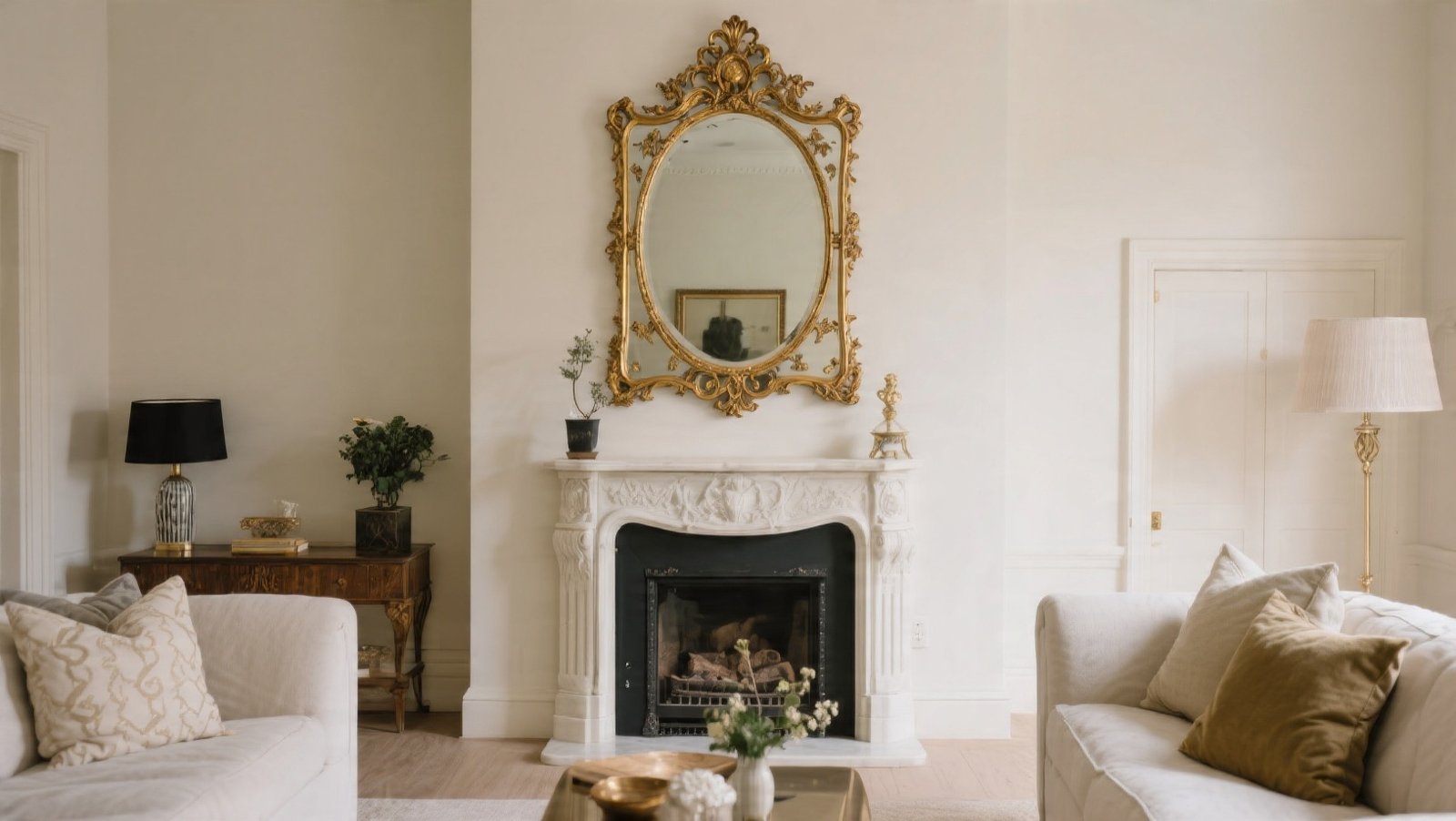
Mirrors are often relegated to the purely functional, serving as quick checkpoints before heading out the door or practical additions above a bathroom sink. However, this undervalues their immense potential as powerful design elements.
An overlooked mirror can make a room feel unfinished, while a thoughtfully placed one can completely redefine a space, adding light, depth, and a touch of visual intrigue.
If your current mirror wall decor feels a bit flat, or you’re simply looking for ways to enhance your home’s visual appeal without a major overhaul, you’re in the right place.
Small, strategic adjustments can make a significant difference, transforming a mundane reflection into a captivating focal point. Here are nine low-effort changes that will dramatically improve your mirror wall decor.
The Right Size and Scale
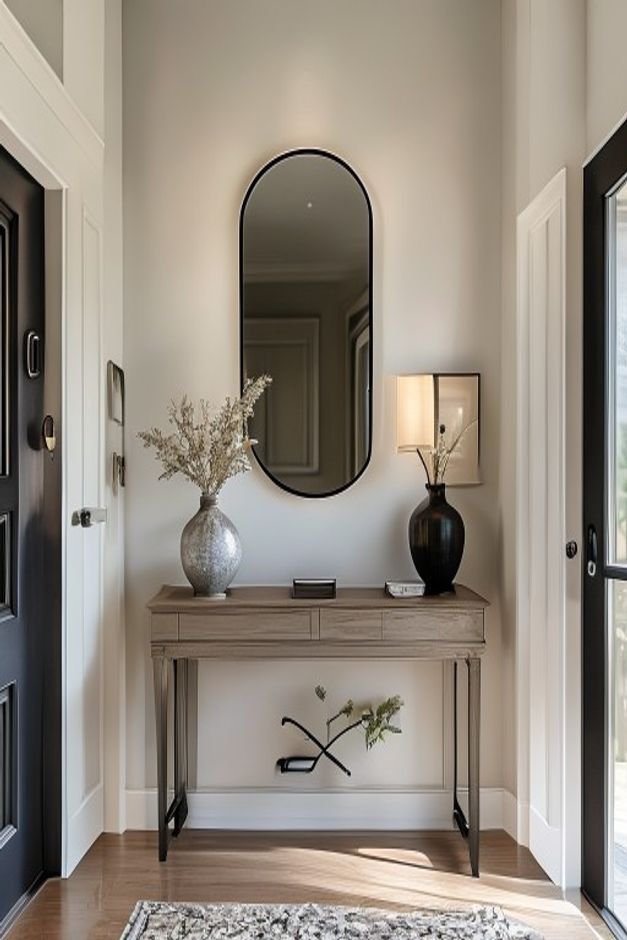
One of the most common missteps in mirror placement is choosing the wrong size. A mirror that is too small for its intended space will look lost and insignificant, failing to make any real impact.
Conversely, an oversized mirror can overwhelm a wall or a piece of furniture, disrupting the room’s balance.
Consider the dimensions of the wall and any furniture it will sit above or beside. A mirror should generally be two-thirds to three-quarters the width of the furniture below it, such as a console table or a dresser.
For a standalone wall, a larger mirror can act as a statement piece, but ensure it doesn’t dwarf the room itself. Aim for a scale that feels harmonious and intentional.
Strategic Placement for Light and View
Mirrors are masters of illusion, particularly when it comes to manipulating light and space. Their reflective surfaces can bounce natural light deeper into a room, making it feel brighter and more open.
This is especially effective in rooms that lack ample windows or feel a bit dim.
Position your mirror directly opposite a window to maximize the reflection of natural light. If you have a beautiful view outside, a well-placed mirror can capture and repeat that vista, essentially adding another ‘window’ to your room.
Even reflecting an interesting architectural detail or a piece of art can create a dynamic visual effect, adding depth and interest where none existed before.
Grouping Mirrors as Art
Why settle for one mirror when you can create an entire gallery? Treating multiple smaller mirrors as a cohesive art installation can yield stunning results. This approach allows for creative expression and adds significant visual texture to a wall.
Gather mirrors of varying shapes, sizes, and frame styles. You might choose a theme, such as all vintage gold frames, or mix and match for an eclectic look. Arrange them artfully on a wall, much like you would a collection of framed prints or photographs.
This creates a curated, collected feel that transforms simple reflections into a captivating display.
Leaning for Effortless Impact
Not every mirror needs to be hung. A large, full-length mirror simply leaned against a wall can provide an instant sense of relaxed elegance and depth.
This method is not only low-effort but also incredibly versatile, allowing you to easily reposition the mirror as your decor evolves.
Leaning mirrors are particularly effective in bedrooms, dressing areas, or living rooms. They add a casual, yet sophisticated, touch while still offering the reflective benefits of expanding space and light.
Ensure the mirror is stable and secure, especially if you have children or pets, but embrace the unfussy aesthetic this placement provides.
Beyond the Bathroom A Mirror’s New Home
Break free from traditional mirror locations. While bathrooms and entryways are standard, mirrors can bring unexpected charm and utility to other areas of your home. Consider a dining room, where a mirror can reflect candlelight and dinner conversations, adding sparkle and intimacy.
In a bedroom, a decorative mirror above a dresser or a pair flanking the bed can serve as an elegant focal point.
Even in a home office or a kitchen, a strategically placed mirror can open up the space and reflect light, making these functional areas feel more inviting. Think about where a touch of reflection could enhance the existing decor.
Frame Game Textural Contrast
The frame of a mirror is just as important as the reflective surface itself. It’s an opportunity to introduce texture, color, and a specific design style into your space.
A simple, frameless mirror might suit a minimalist aesthetic, but a carefully chosen frame can make a statement.
Consider frames made from natural wood for warmth, intricate metal for a touch of glamour, or a distressed finish for rustic charm. The frame should complement the existing materials and finishes in your room, creating a cohesive yet interesting visual dialogue.
The right frame elevates your mirror wall decor from utilitarian to truly decorative.
Layering with Other Art
Mirrors don’t have to exist in isolation. Integrating them into a larger art display can create a rich, layered look. Instead of hanging a mirror on its own, consider it as another element within a gallery wall or alongside framed prints and paintings.
This approach adds visual complexity and breaks up the monotony of a wall full of flat art. A mirror within a gallery wall can reflect pieces opposite it, creating an endless loop of visual interest.
It’s a subtle yet powerful way to make your mirror feel like an integral part of your curated collection rather than a standalone piece.
The Power of Pairs and Symmetry
Symmetry is a classic design principle that instantly brings a sense of order and sophistication to a room. Applying this to your mirror wall decor can create a strong, balanced visual impact with minimal effort. Consider using two identical mirrors to flank a central element.
This could be a fireplace, a doorway, a large window, or a significant piece of furniture like a console table. The repetition of form and reflection creates a harmonious arrangement that feels intentional and polished.
Paired mirrors can make a room feel grander and more thoughtfully designed, reinforcing architectural features.
Backlighting and Indirect Illumination
Enhance the presence of your mirror by playing with light. Adding subtle backlighting or placing a lamp nearby can make a mirror glow, transforming it into a luminous feature, especially in the evenings.
This creates a soft, ambient light that can change the entire mood of a room.
Hidden LED strips behind a mirror create a halo effect, adding depth and a modern touch. Alternatively, positioning a table lamp or floor lamp near a mirror allows its light to be reflected, amplifying the illumination and creating a warm, inviting atmosphere.
This simple addition makes your mirror a source of both light and beauty.
Rethink Your Reflections
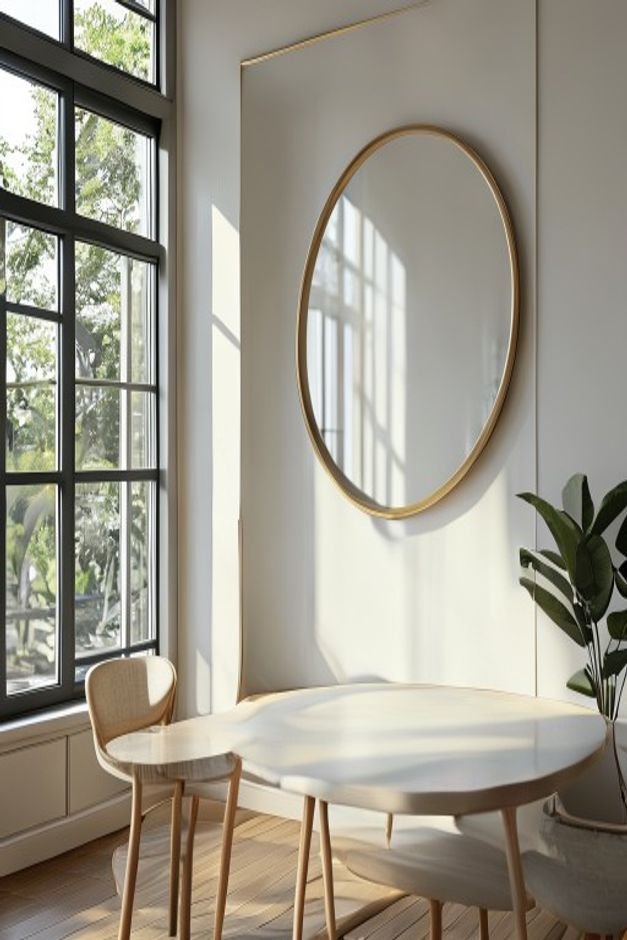
Mirrors are far more than just reflective surfaces; they are essential tools in a designer’s toolkit, capable of influencing a room’s perception of space, light, and style. By making these low-effort changes to your mirror wall decor, you can unlock their full potential.
From strategic placement to thoughtful framing and clever grouping, each adjustment contributes to a more cohesive and visually engaging home. Take a fresh look at your mirrors, and you might just find they reflect a whole new level of design sophistication.
