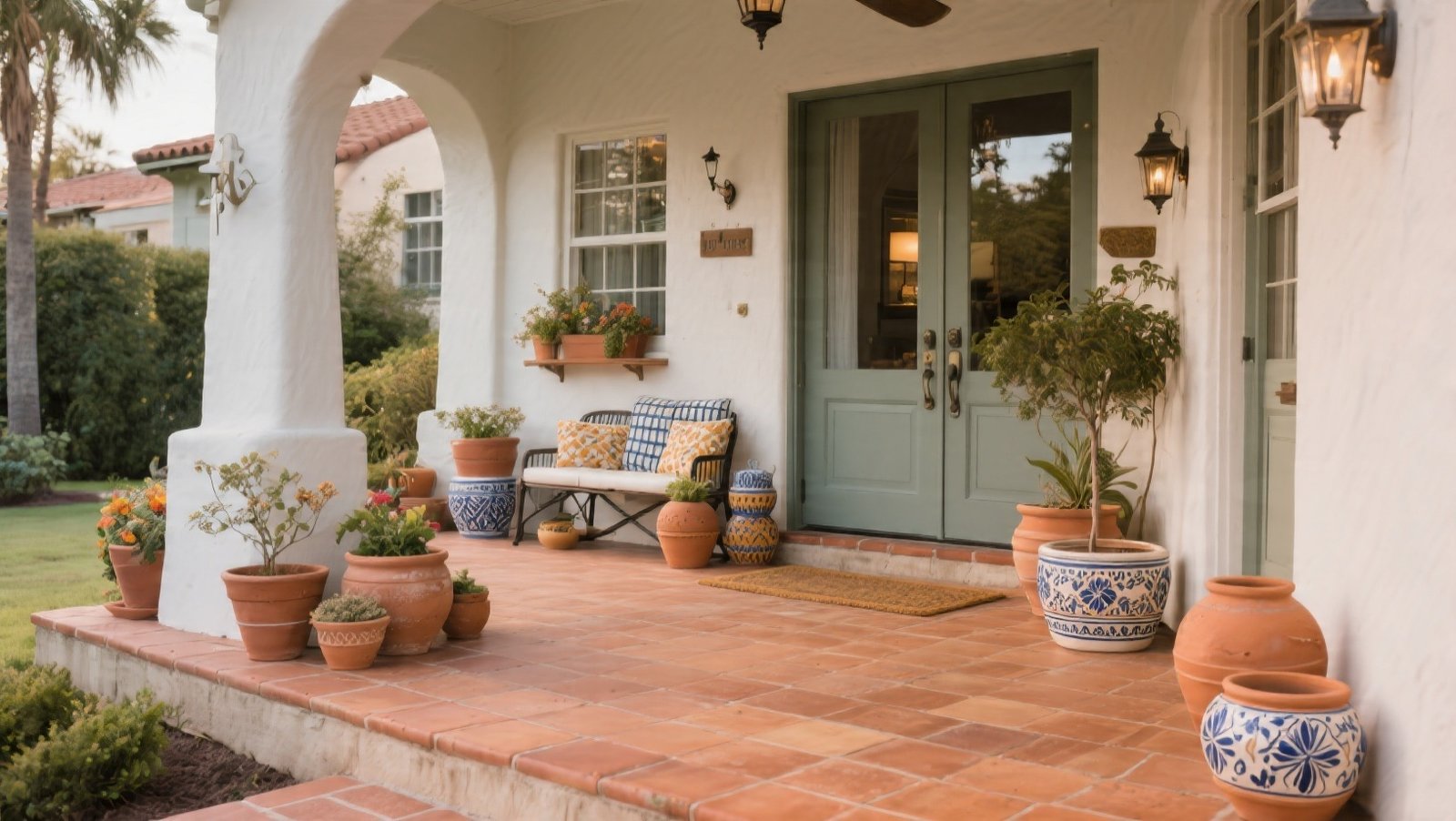
Your patio, balcony, or front entry is an extension of your home. It’s a space that welcomes guests and offers a quiet retreat. Yet, so many outdoor areas feel unfinished, often due to a collection of mismatched or uninspired flower pots.
You don’t need a complete overhaul to create a stunning outdoor display. Small, thoughtful adjustments to your flower pot crafts can make a significant difference. We’re talking about low-effort changes that yield big visual returns, transforming ordinary containers into curated garden statements.
Let’s explore practical ways to add charm and sophistication to your outdoor living.
Beyond Basic Pots
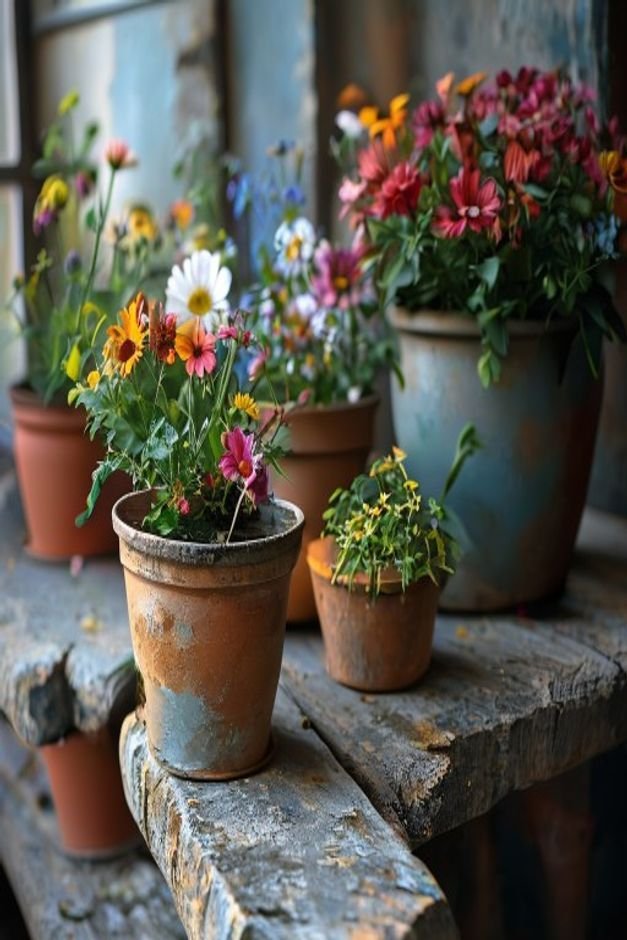
Often, we grab the first pot that fits the plant. However, the pot itself is a crucial design element. Think beyond the standard terracotta or plastic.
Consider materials like glazed ceramic, lightweight concrete, or even metal. Each offers a distinct texture and aesthetic. Mixing these materials can add visual interest without overwhelming the space.
Even unadorned pots can look intentional when chosen with care. Focus on clean lines and quality finishes.
Thoughtful Groupings
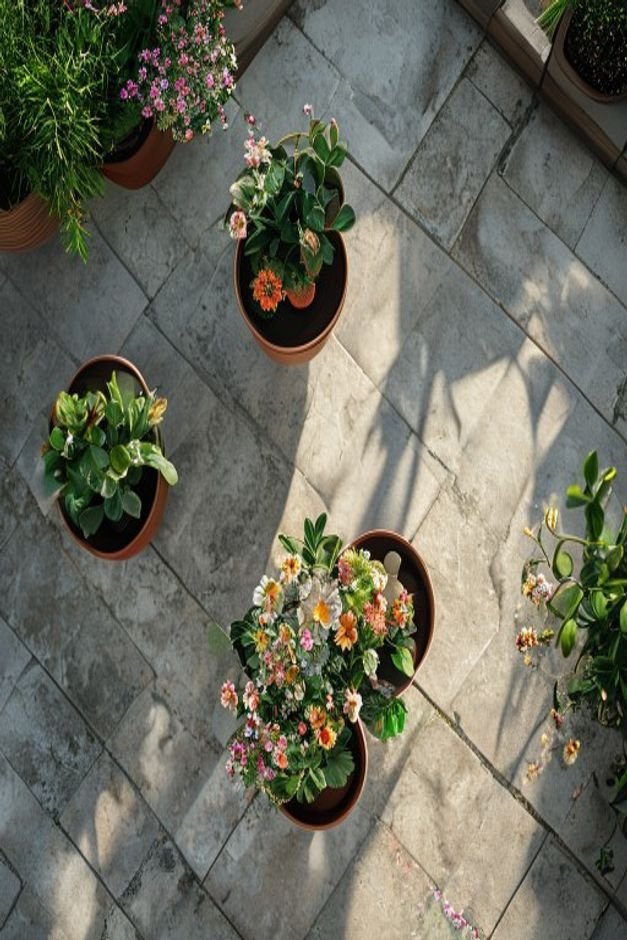
Scattered pots can make a space feel cluttered rather than lush. Instead, arrange your flower pot crafts in thoughtful groupings.
The ‘rule of three’ or other odd numbers often works best for creating natural-looking vignettes. Vary the heights, shapes, and sizes within each cluster. This creates dynamic visual interest and a sense of abundance.
Place taller pots at the back, shorter ones at the front, and experiment until the arrangement feels balanced and inviting. Think of it as styling a mini-garden scene.
A Touch of Paint or Stencil
A little paint goes a long way in personalizing a plain pot. You don’t need to be an artist; simple patterns can be incredibly effective.
Consider painting a wide band of a complementary color around the rim of a terracotta pot. Or, use a stencil to add a subtle geometric pattern. Outdoor-grade paints will ensure your designs withstand the elements.
This low-effort change allows you to integrate your pots into your home’s existing color palette. It’s about adding an accent, not covering every surface.
Texture with Natural Wraps
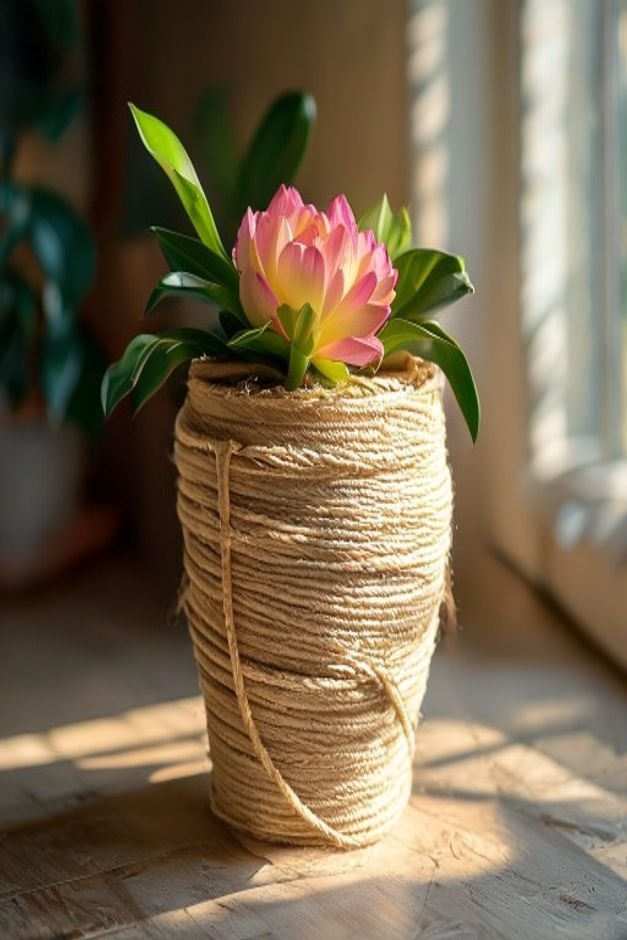
Adding texture instantly elevates a simple pot. Natural materials like jute twine, burlap, or even woven raffia can transform a basic container.
Wrap the pot tightly with your chosen material, securing it with a strong craft adhesive. This technique adds warmth, an organic feel, and visual depth. It’s particularly effective for creating a rustic or bohemian aesthetic.
The natural fibers complement the greens of your plants beautifully. This easy upgrade gives your flower pot crafts a handcrafted, bespoke appearance.
Simple Stands and Risers
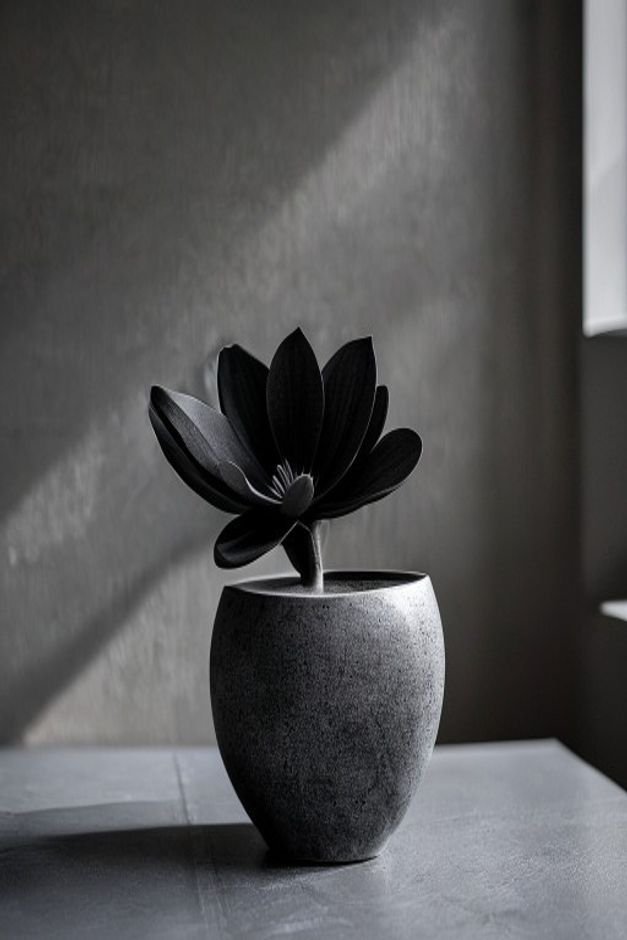
Lifting your pots off the ground with stands or risers offers multiple benefits. It improves air circulation and drainage, which is good for plant health. More importantly, it adds vertical interest to your display.
Metal plant stands, wooden risers, or even repurposed brick stacks can create varying heights. This layering effect makes your plant arrangements feel more intentional and professional.
Elevated pots also help define specific zones on your patio or balcony, making the space feel more organized and styled.
Layered Plant Styling
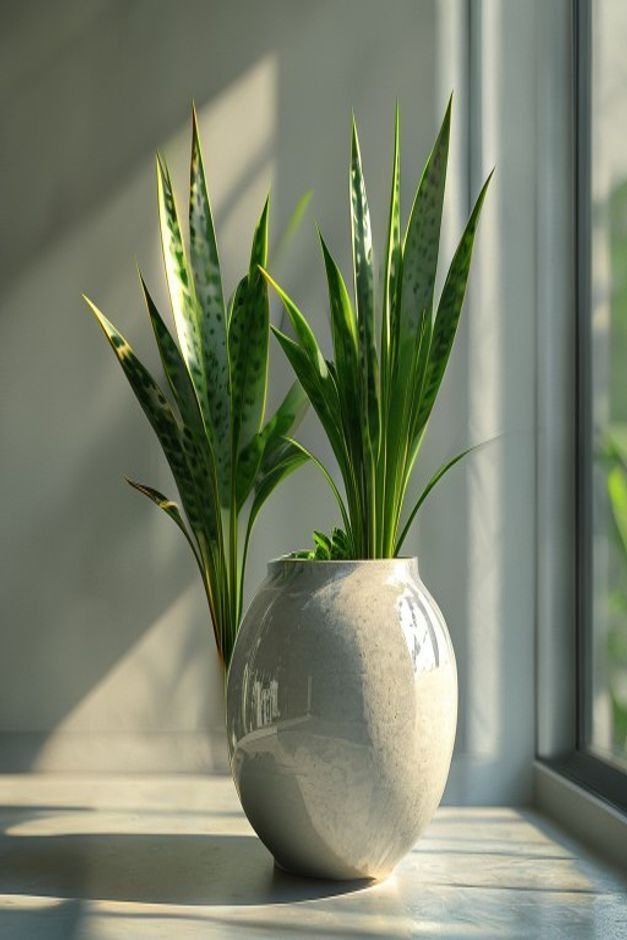
Think beyond a single plant per pot. The ‘thriller, filler, spiller’ method is a timeless technique for creating lush, dynamic container gardens.
A ‘thriller’ is a tall, upright plant that provides a focal point. ‘Fillers’ are medium-height plants that add volume and density. ‘Spillers’ are trailing plants that cascade over the pot’s edges, softening the lines.
This layering creates depth, texture, and continuous visual interest. Experiment with different foliage colors and textures for even more impact in your flower pot crafts.
Found Objects as Embellishments
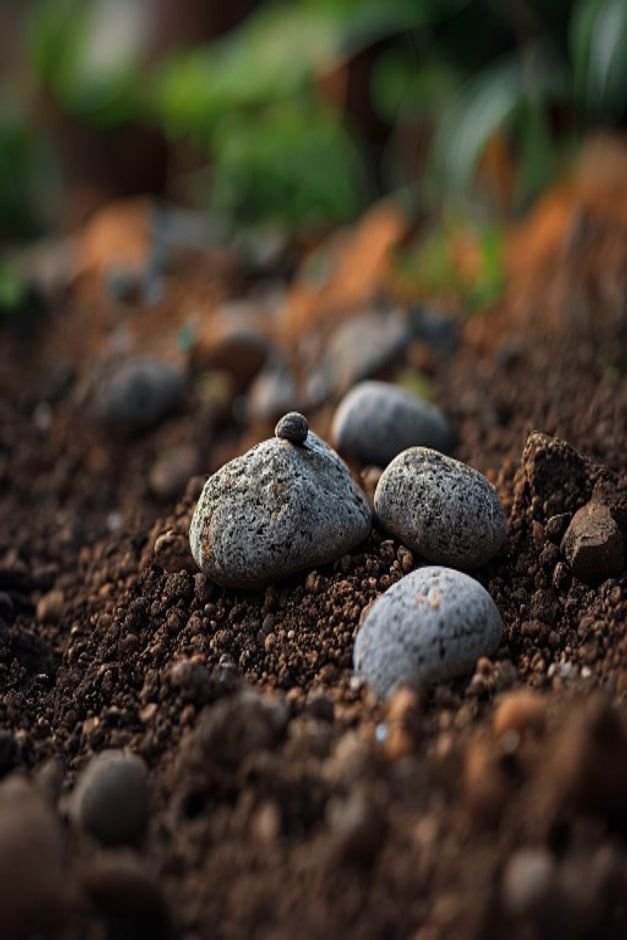
Give your pots a unique, natural touch by incorporating found objects. Smooth river stones, interesting pieces of driftwood, or decorative pebbles can be artfully placed around the base of your plants.
These elements add personality and connect your container garden to the natural world. Use them sparingly to create subtle points of interest, rather than clutter.
This simple addition makes each pot feel more curated and thoughtful. It’s about adding a story to your planting.
Better Drainage, Healthier Plants
No matter how beautiful your flower pot crafts are, they won’t thrive without proper drainage. This low-effort change is foundational to plant health and, therefore, to the overall beauty of your display.
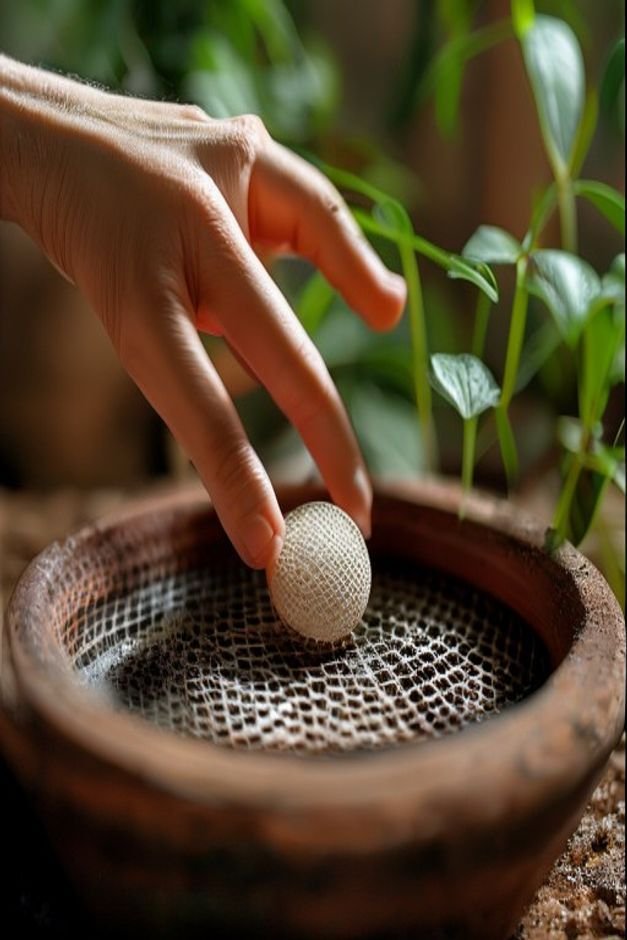
Ensure every pot has adequate drainage holes. For larger holes, place a piece of mesh screen or a coffee filter over the opening before adding soil. This prevents soil from washing out while still allowing water to escape.
Using high-quality potting mix designed for containers is also essential. Healthy plants with vibrant foliage and abundant blooms are the best embellishment for any pot.
Considered Color Harmonies
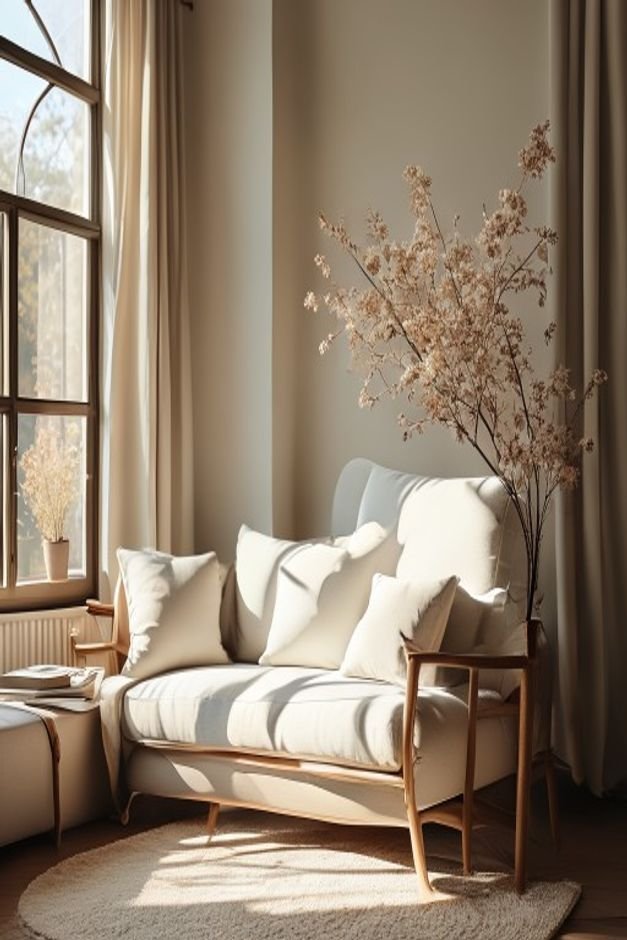
Think about the color scheme of your pots and plants together. A cohesive color palette can transform a disparate collection into a harmonious display.
You might choose pots and flowers in a monochromatic scheme, using varying shades of one color. Or, opt for complementary colors for a bold, vibrant look. Analogous colors (colors next to each other on the color wheel) create a serene and flowing effect.
This thoughtful approach to color extends your home’s interior style to your outdoor spaces, making them feel like a natural extension.
Bringing It All Together
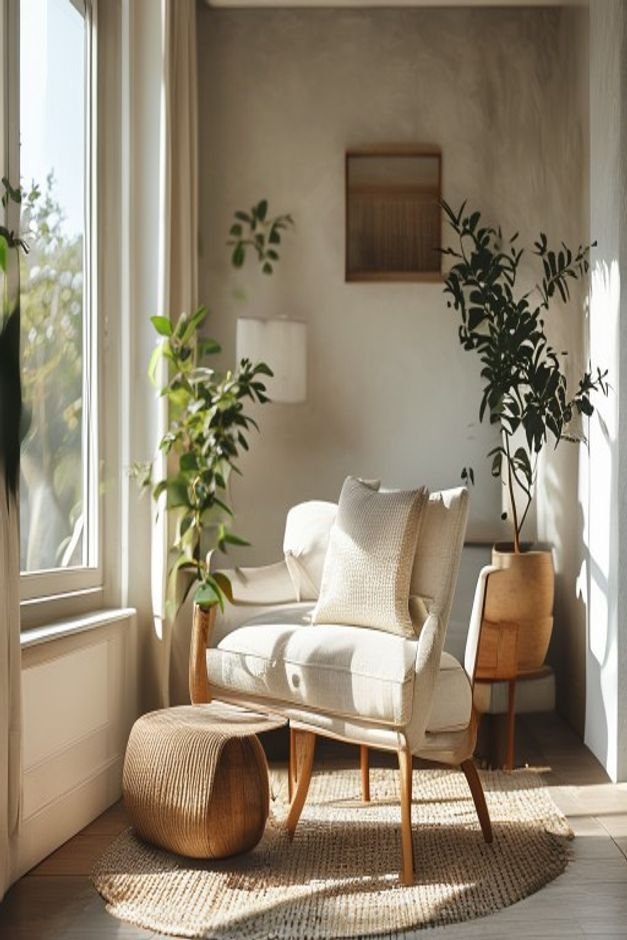
Creating beautiful outdoor spaces doesn’t require grand gestures or extensive budgets. It’s about making thoughtful, low-effort changes that collectively make a significant impact.
From choosing the right pot materials to styling your plants with care, each small decision contributes to a more inviting and polished environment.
Experiment with these ideas, mix and match techniques, and most importantly, enjoy the process of crafting your outdoor haven. Your flower pot crafts are more than just containers; they are opportunities to express your style and create moments of beauty right outside your door.
