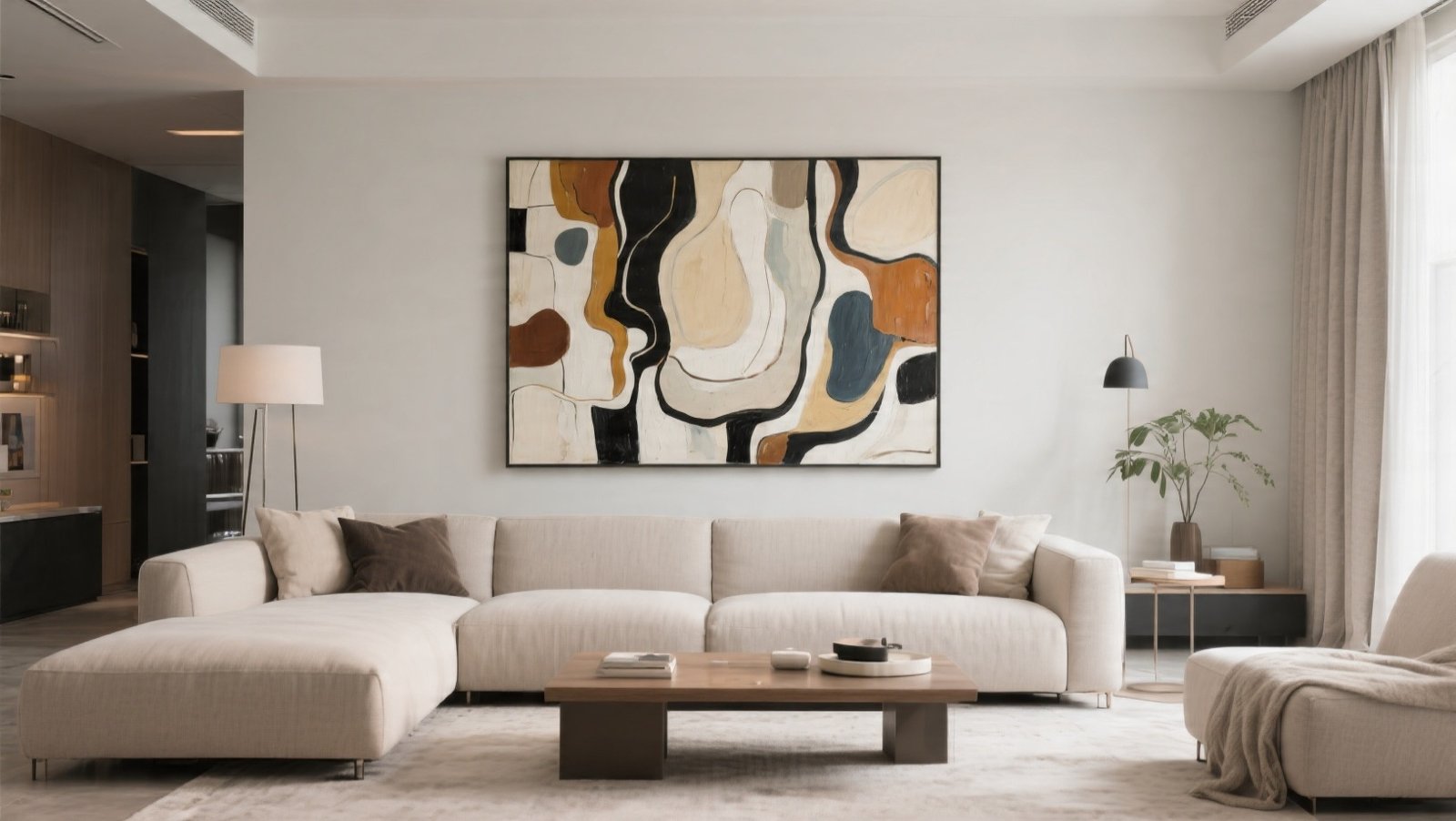
That feeling of walking into a room that just clicks—it’s not about grand gestures or expensive overhauls. More often, it’s the sum of thoughtful, intentional details that create a sense of cohesion and polish.
You know the look: spaces that feel complete, balanced, and effortlessly stylish. If your rooms feel a little off or unfinished, it’s likely not a question of more things, but smarter choices in your room decor.
Achieving a truly finished space comes down to understanding key design principles like scale, symmetry, and strategic placement. These aren’t abstract concepts reserved for professional designers; they are practical tools you can use to refine your home.
Here are nine easy upgrades that will elevate your room decor, making your spaces feel intentionally designed and worth saving.
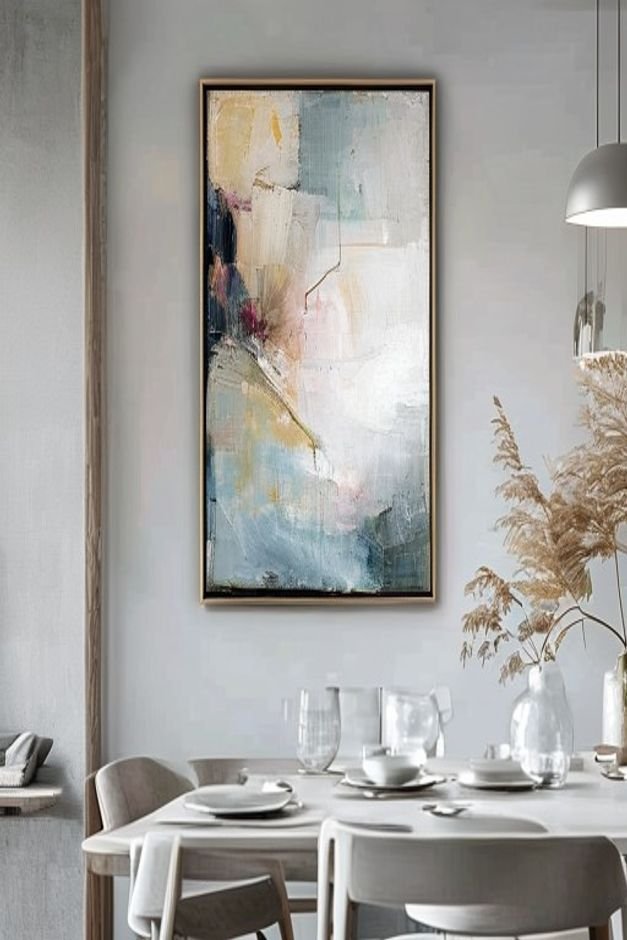
The Power of Scale in Art
One of the quickest ways to make a room feel unfinished is to hang art that is too small for its space. A tiny print above a large sofa, for example, will always look lost and create an imbalance.
Think big, especially when it comes to focal points.
A single, large piece of art can anchor an entire wall, drawing the eye and establishing a strong visual statement. If a single large piece isn’t in
your budget, consider a diptych or triptych—two or three complementary pieces that, when hung together, create the visual impact of one large artwork.
When selecting art, consider the size of the wall and the furniture below it. Aim for art that occupies roughly two-thirds to three-quarters of the width of the furniture it hangs above. This proportion instantly creates a more considered and finished look.
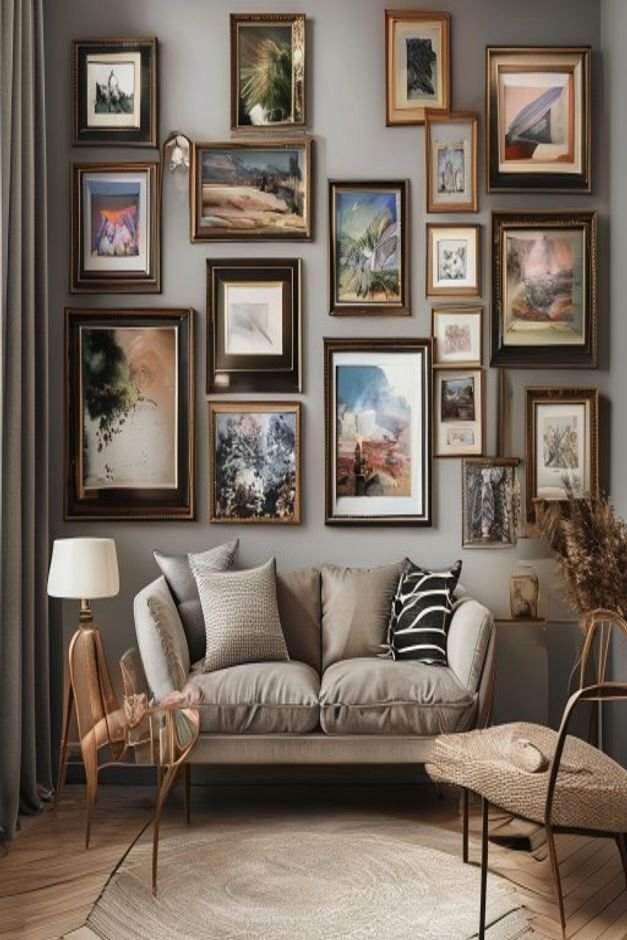
Mastering the Gallery Wall
While a single large piece has its merits, a well-executed gallery wall offers dynamic visual interest and a chance to tell a story. The key to a polished gallery wall is intentionality, not randomness. Avoid the temptation to simply fill a wall with disparate frames.
Start by laying out your chosen pieces on the floor to find a pleasing arrangement. Look for a mix of sizes and orientations, but maintain a consistent spacing between frames for a clean, unified appearance.
Consider a common theme, color palette, or even just a consistent frame style to tie everything together.
A gallery wall should feel curated, not cluttered. It’s an opportunity to display personal photos, beloved art prints, or even small decorative objects. A well-designed gallery wall transforms a blank space into a focal point, adding depth and personality to your room decor.
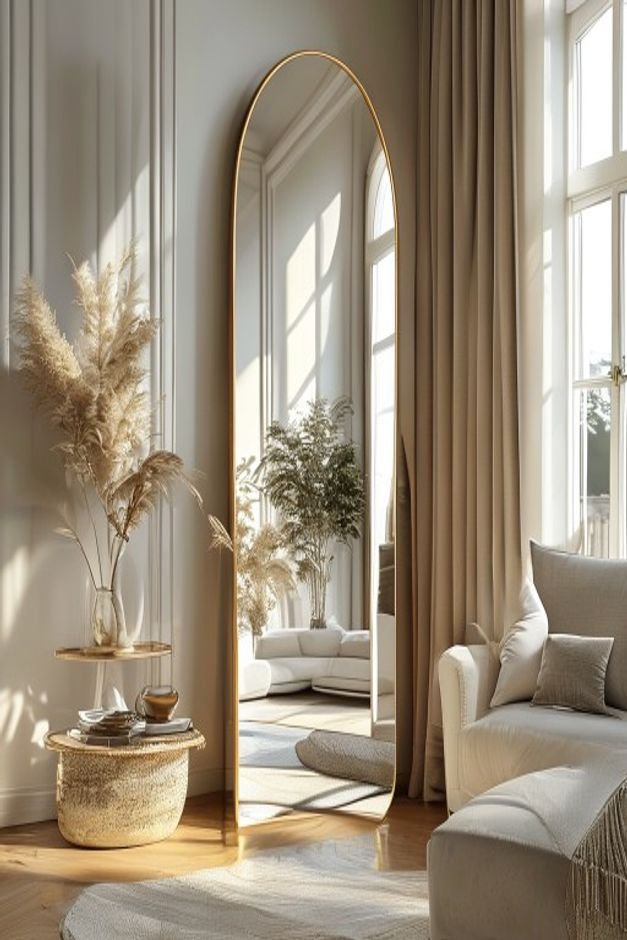
Strategic Mirror Placement
Mirrors are design workhorses, offering much more than just a place to check your reflection. Strategically placed, they can expand a room, amplify natural light, and even serve as striking pieces of art themselves. Think about what a mirror will reflect before you hang it.
Placing a large mirror opposite a window will bounce light deeper into the room, making the space feel brighter and more open. In a smaller room, a full-length mirror leaning against a wall can create the illusion of greater depth and square footage.
Beyond their practical benefits, mirrors can be powerful decorative elements. Choose a mirror with an interesting frame—ornate, minimalist, or geometric—to add architectural detail and a touch of sophistication. A well-chosen mirror acts as a piece of functional art, enhancing the overall aesthetic.
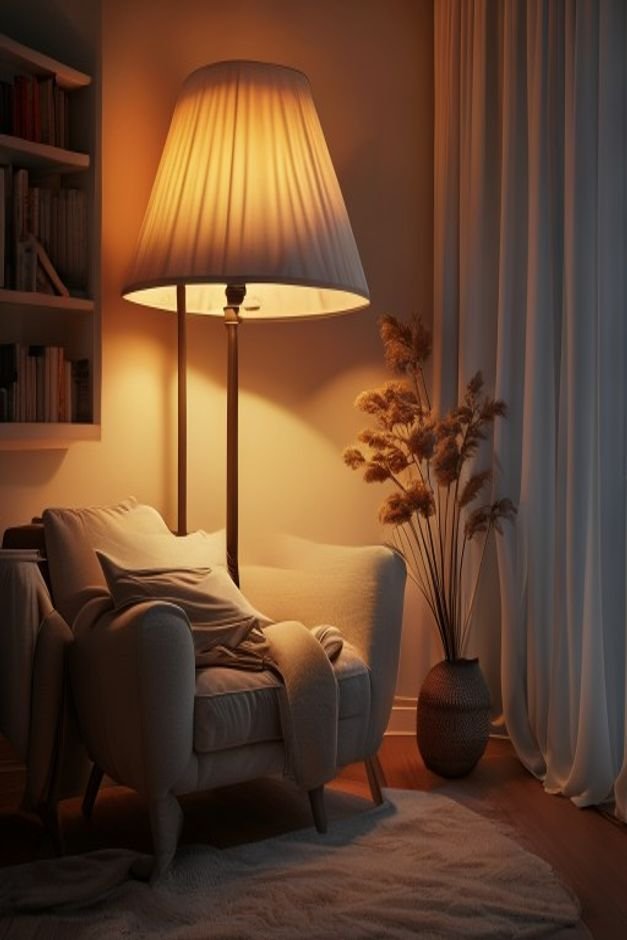
Lighting as Decorative Layering
Lighting is often overlooked as a decorative element, yet it’s crucial for creating mood and adding visual interest. Relying solely on overhead lighting can leave a room feeling flat and uninviting. The secret to finished room decor is layering light sources.
Incorporate a mix of ambient, task, and accent lighting. Ambient light, like a stylish chandelier or flush mount, provides overall illumination. Task lighting, such as a floor lamp by a reading chair or sconces above a desk, serves a specific function.
Accent lighting, like picture lights or small table lamps on shelves, highlights specific features or creates pockets of warmth. The fixtures themselves—their shapes, materials, and finishes—contribute significantly to the room’s style. Thoughtful lighting creates depth and atmosphere, making any space feel more inviting.
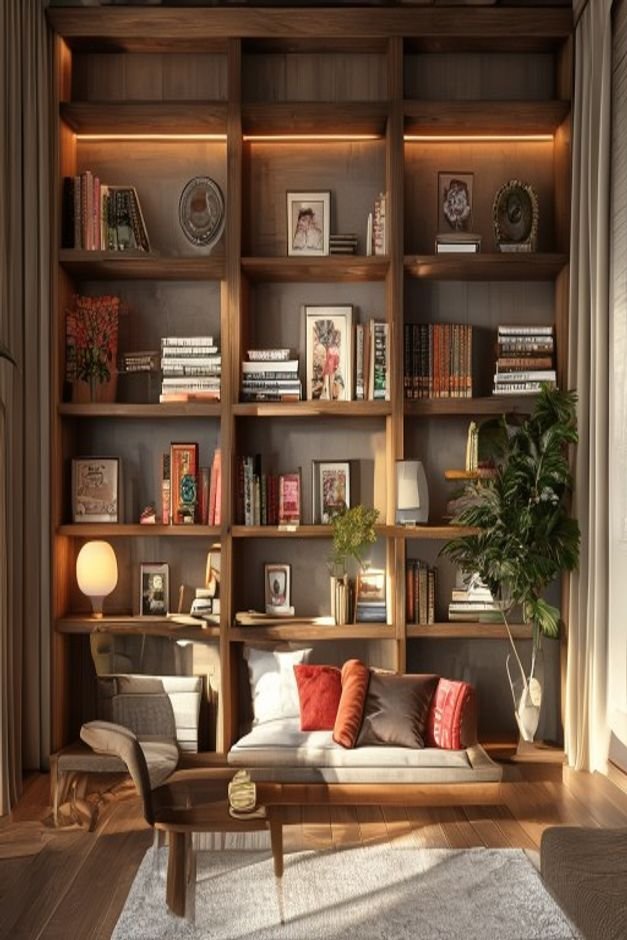
Curated Shelf Styling
Open shelves and bookcases can quickly become dumping grounds, detracting from a room’s aesthetic. Instead, view them as opportunities for curated displays that enhance your room decor. The goal is balance, visual interest, and a sense of intention.
Start by clearing everything off and then selectively reintroduce items. Mix books (some stacked horizontally, some standing vertically) with decorative objects like vases, small sculptures, and framed photos. Vary the heights, textures, and materials to keep the eye moving.
Leave some negative space on each shelf to prevent a cluttered look. Group items in odd numbers, typically threes, for a more natural and appealing arrangement. Remember, less is often more.
A few well-chosen and thoughtfully arranged items will always look more polished than a shelf crammed with too many things.
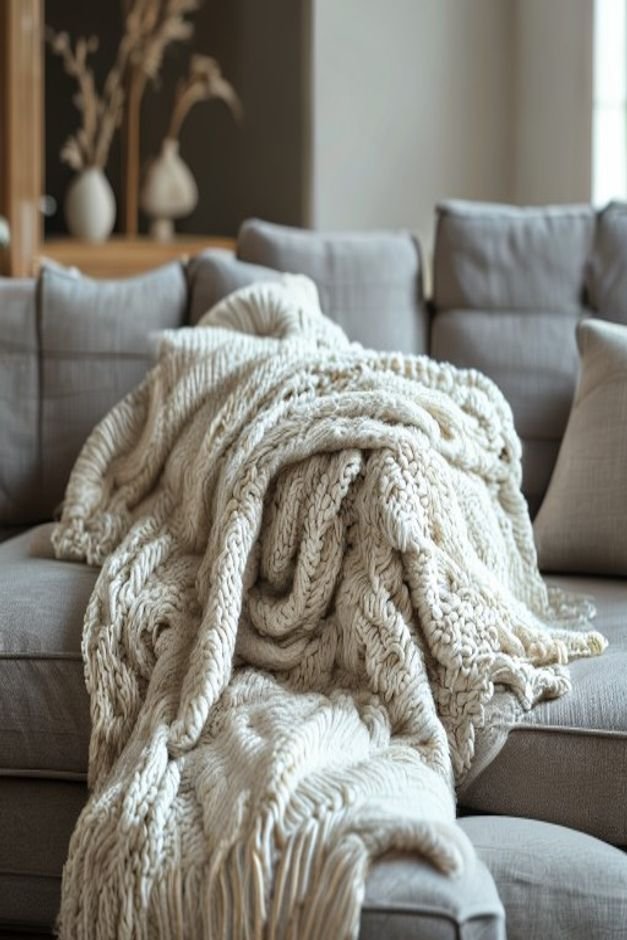
The Impact of Textiles
Textiles—rugs, throw blankets, pillows, and curtains—are essential for adding warmth, texture, and color to a room. They soften hard lines, absorb sound, and instantly make a space feel more comfortable and finished. Don’t underestimate their power to transform.
A well-placed area rug can define a seating area, add a pop of color, or introduce a soft texture underfoot. Choose a rug that is ap
propriately sized for the space, ensuring that at least the front legs of your furniture rest on it to visually anchor the grouping.
Throw pillows and blankets are easy ways to introduce new colors, patterns, and textures. Mix different fabrics like linen, velvet, or chunky knits for a layered, inviting look. Draping a throw blanket artfully over a sofa or armchair adds a touch of casual elegance.
When selecting curtains, choose a length that just kisses the floor or puddles slightly for a luxurious feel.
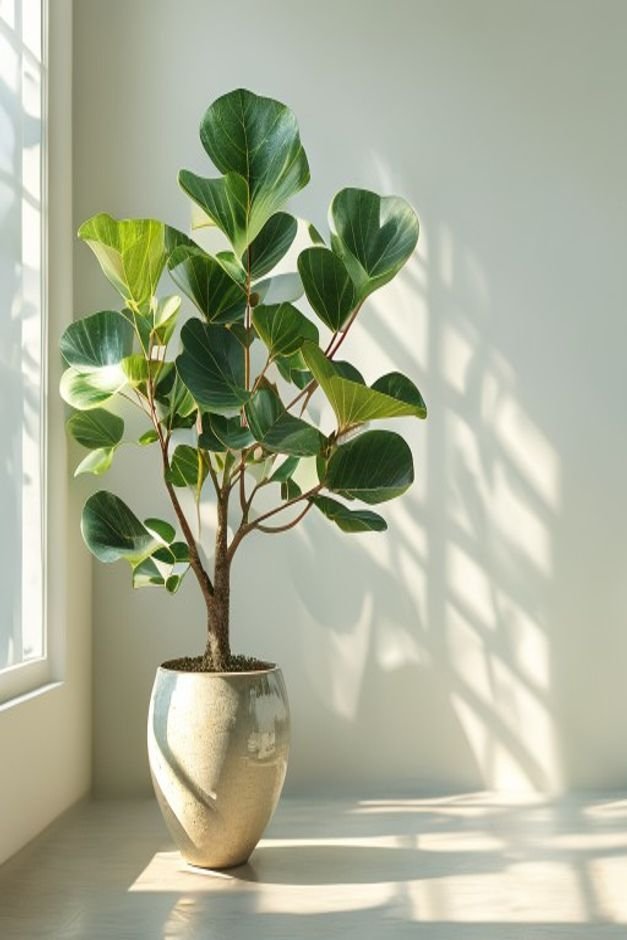
Thoughtful Plant Integration
Bringing natural elements into your home instantly adds life, freshness, and a sense of calm. Plants are more than just green accents; they are living sculptures that contribute significantly to the overall room decor. Even a single well-chosen plant can make a difference.
Consider the scale of the plant relative to its container and the space it occupies. A large, leafy plant like a fiddle-leaf fig or a snake plant can fill an empty corner beautifully.
Smaller plants can be grouped on a shelf or windowsill to create a mini-display.
The vessel you choose for your plant is just as important as the plant itself. Opt for stylish planters made of ceramic, terracotta, or woven materials that complement your existing decor.
Healthy, thriving plants signal care and attention to detail, making your space feel more vibrant and complete.
Defining Zones with Rugs
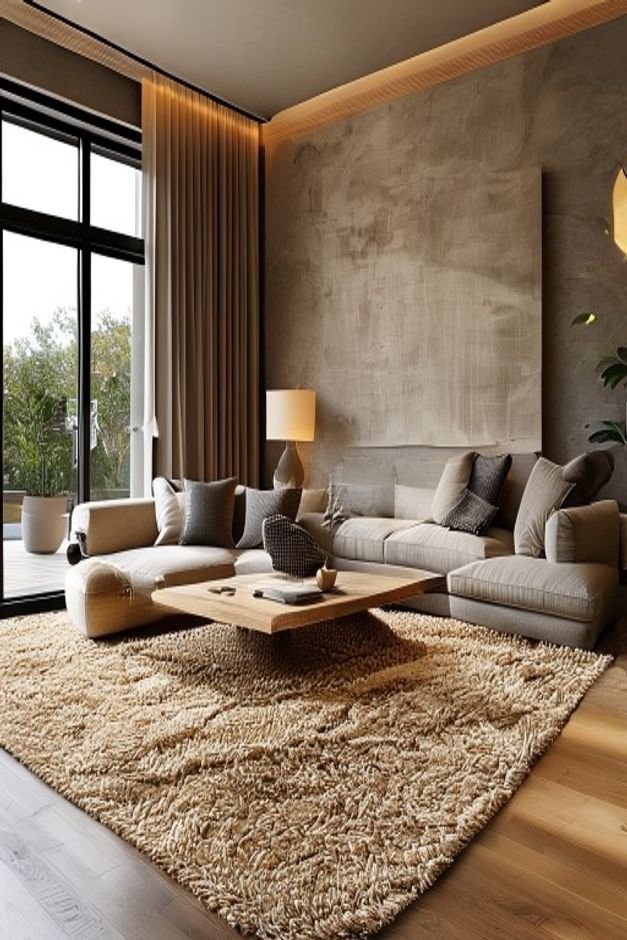
In open-concept layouts, or even larger single rooms, area rugs are invaluable for defining distinct zones and adding structure. They visually anchor furniture groupings and create a sense of intimacy within a larger space. This is a subtle but powerful upgrade to your room decor.
For a living room, ensure the rug is large enough for at least the front legs of all primary seating pieces to sit on it. This creates a cohesive
