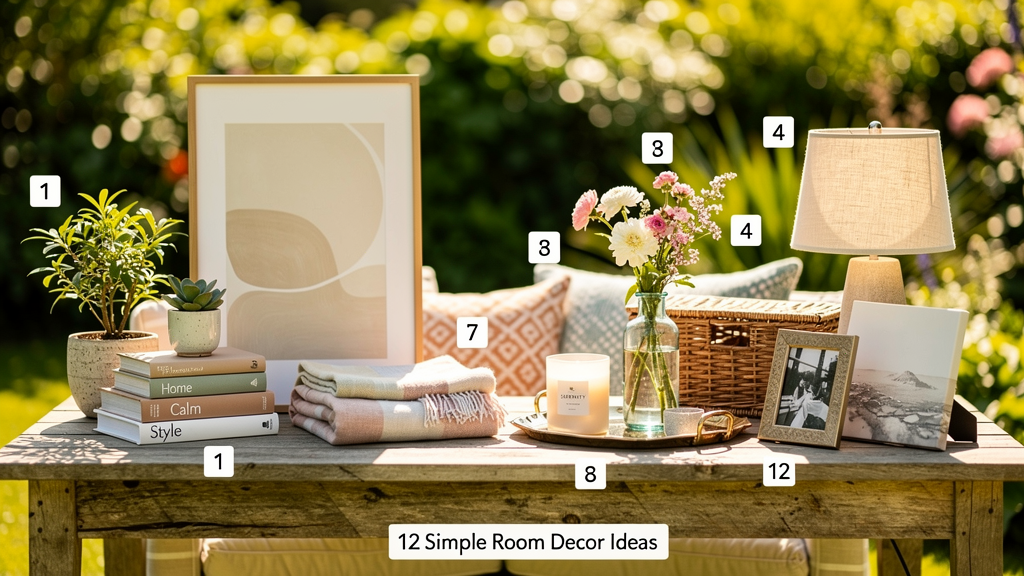
You’ve invested in pieces you love, arranged them with care, and yet something about your room still feels… unfinished. It’s a common frustration, and one that often boils down to a few core design principles that are easy to overlook.
The difference between a collection of items and a truly cohesive space often lies in subtle adjustments to how those pieces interact with each other and their surroundings.
This isn’t about buying more things or chasing fleeting trends. It’s about understanding the visual language of design to make the most of what you have.
We’ll explore practical, visually strong ways to refine your room decor, ensuring every element contributes to a polished, inviting, and Pinterest-ready home.
The Essential Role of Scale and Proportion
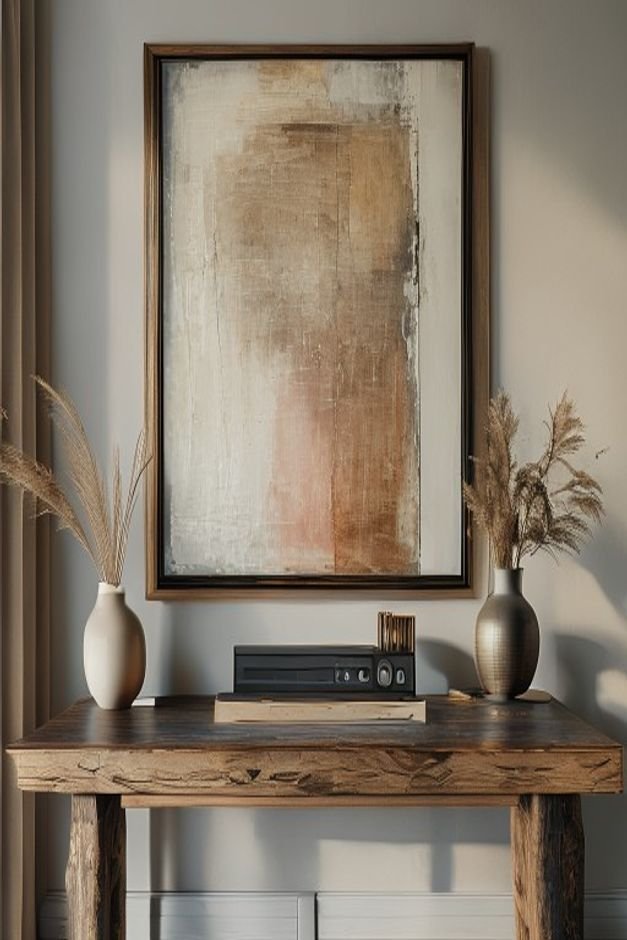
One of the most impactful ways to make room decor look better is by mastering scale and proportion. This refers to how the size of objects relates to each other and to the room itself.
A tiny rug in a large living room, or a massive piece of art above a delicate console table, can immediately throw off a space. Think about
balance: large furniture often needs large-scale art or accessories to feel grounded, while smaller pieces demand more delicate companions.
When selecting items, consider the overall footprint of the room and the wall space available. A single, oversized statement piece can be incredibly powerful, but it needs enough breathing room to shine without overwhelming the space.
Similarly, a collection of smaller items needs to be grouped thoughtfully to create a visual mass that can stand up to larger furniture.
Mastering Wall Art Placement
Wall art isn’t just about the piece itself; it’s about where and how it’s hung. Hanging art too high is a common mistake that makes a room feel disconnected.
As a general rule, the center of your artwork should be at eye level, which is typically around 57-60 inches from the floor.
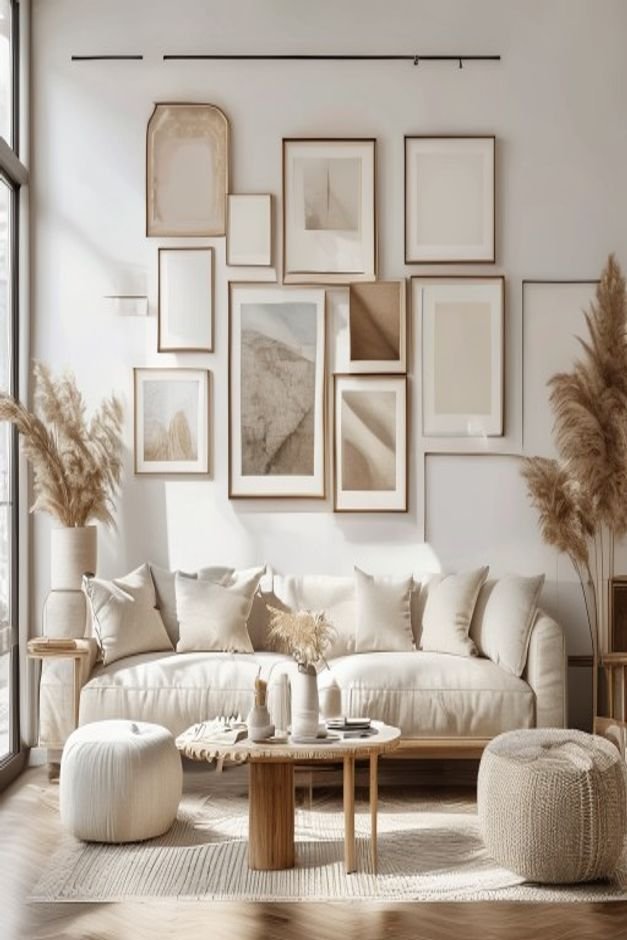
When hanging art above furniture, leave a comfortable gap of about 6-12 inches between the bottom of the frame and the top of the furniture piece. This creates a visual connection without feeling cramped. For gallery walls, plan your layout on the floor first.
Varying frame sizes and styles can add interest, but ensure there’s a consistent spacing between pieces for a cohesive look.
Consider the relationship between multiple pieces. A symmetrical arrangement can bring calm and order, while an asymmetrical grouping can feel more dynamic. Both approaches require careful consideration of negative space, which is just as important as the art itself.
Strategic Mirror Use
Mirrors are much more than just reflective surfaces; they are powerful tools for enhancing room decor. Strategically placed, a mirror can make a small room feel significantly larger and brighter by reflecting light and views.
Position a large mirror opposite a window to bounce natural light deep into the room. This not only brightens the space but also brings the outdoors in, creating a sense of openness.
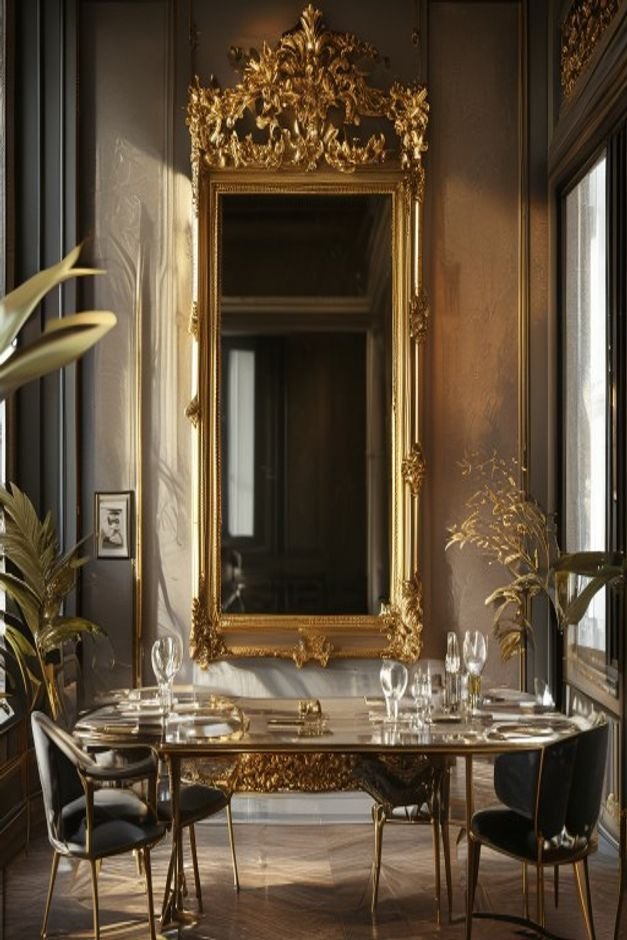
In a dining area, a mirror can reflect the sparkle of candlelight or the beauty of a tablescape, doubling its impact.
Beyond their practical benefits, mirrors can also serve as striking decorative elements. Choose a mirror with an interesting frame—ornate, minimalist, or rustic—to add character and visual weight to a wall.
They can anchor a console table, fill an awkward corner, or even replace traditional art above a fireplace.
Layering Light for Atmosphere
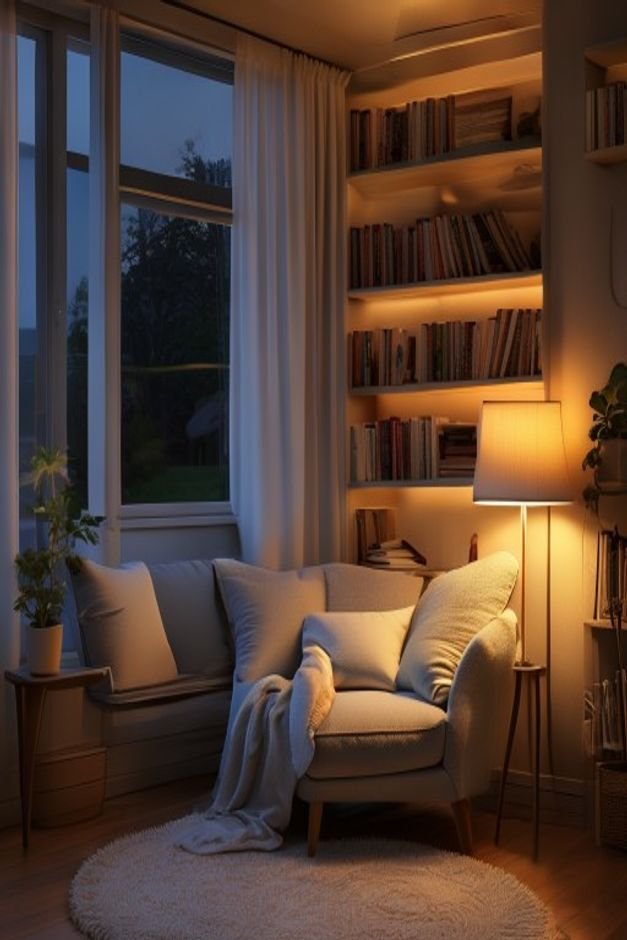
Good lighting is fundamental to how a room looks and feels, yet it’s often an afterthought. Relying on a single overhead fixture can create a flat, uninviting space. The key is to layer your lighting, incorporating ambient, task, and accent lighting.
Ambient light provides overall illumination, typically from ceiling fixtures or large floor lamps. Task lighting, like a desk lamp or a reading lamp, is focused on specific activities. Accent lighting, such as picture lights or small spotlights, highlights architectural features or artwork.
By combining these layers, you create depth and mood. Use dimmers to adjust intensity throughout the day and evening. Warm-toned bulbs generally create a cozier atmosphere, while cooler tones can feel more energizing.
Thoughtful lighting can transform any room decor from merely functional to truly atmospheric.
Curated Collections and Vignettes
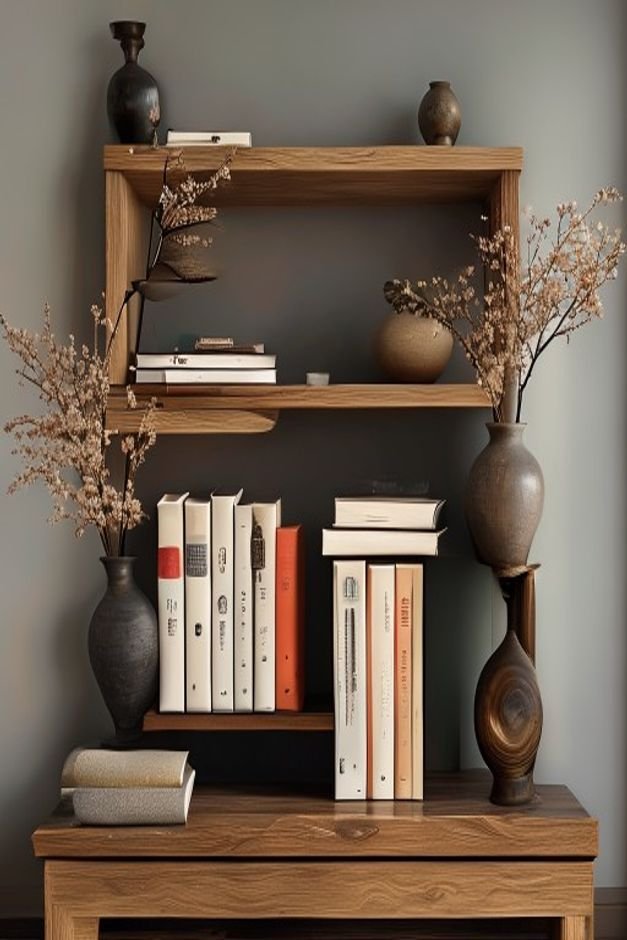
Instead of scattering small decorative objects throughout a room, group them into curated collections and vignettes. A vignette is a small, intentional arrangement of objects that tells a story or creates a focal point on a surface like a coffee table, bookshelf, or dresser.
When creating a vignette, think in odd numbers, typically three or five items. Vary the heights, textures, and shapes within the grouping to create visual interest. For instance, combine a tall vase, a stack of books, and a small sculptural object.
Leave some negative space around the vignette to allow it to stand out.
The goal is to create a cohesive display that draws the eye and feels purposeful, rather than haphazard. Choose objects that resonate with your personal style or a particular theme, making your room decor feel more personal and refined.
The Power of Texture and Layers
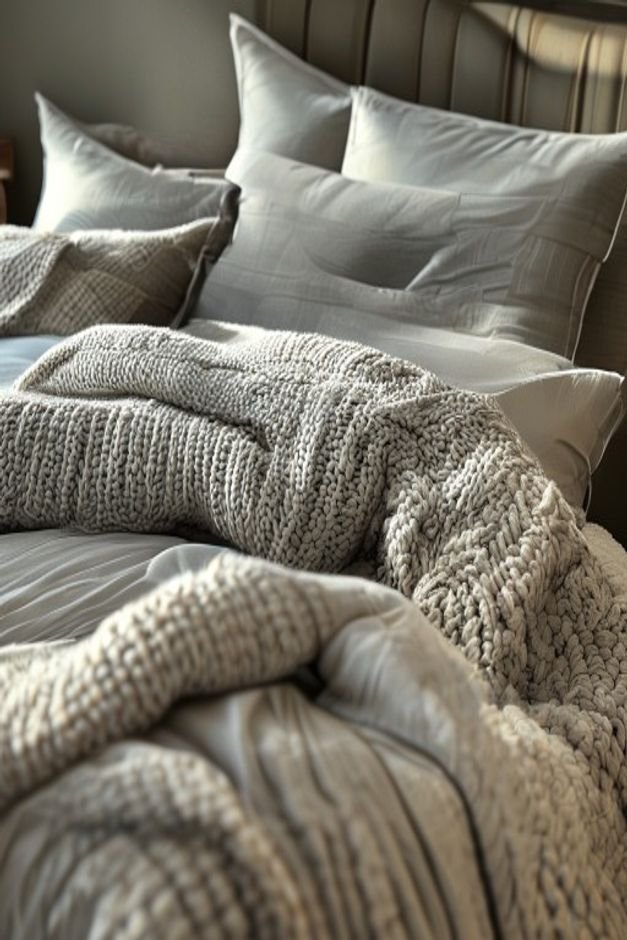
A room can have all the right furniture, but without texture and layers, it might still feel flat or uninviting. Texture adds visual and tactile interest, making a space feel richer and more complex.
Think about incorporating different materials: a rough-hewn wooden coffee table, a plush velvet sofa, a soft knit throw, and a woven rug.
Layering is about building up these textures and patterns. On a sofa, layer throw pillows in varying fabrics and patterns. On a bed, combine a smooth duvet with a textured blanket and a variety of pillows.
Even walls can benefit from texture, whether through wallpaper, natural fiber wall hangings, or exposed brick.
These elements work together to create depth and warmth, inviting touch and making the room feel more comfortable and lived-in. Don’t underestimate the impact of a well-chosen throw blanket or a patterned cushion in enhancing your overall room decor.
Bringing Life with Greenery
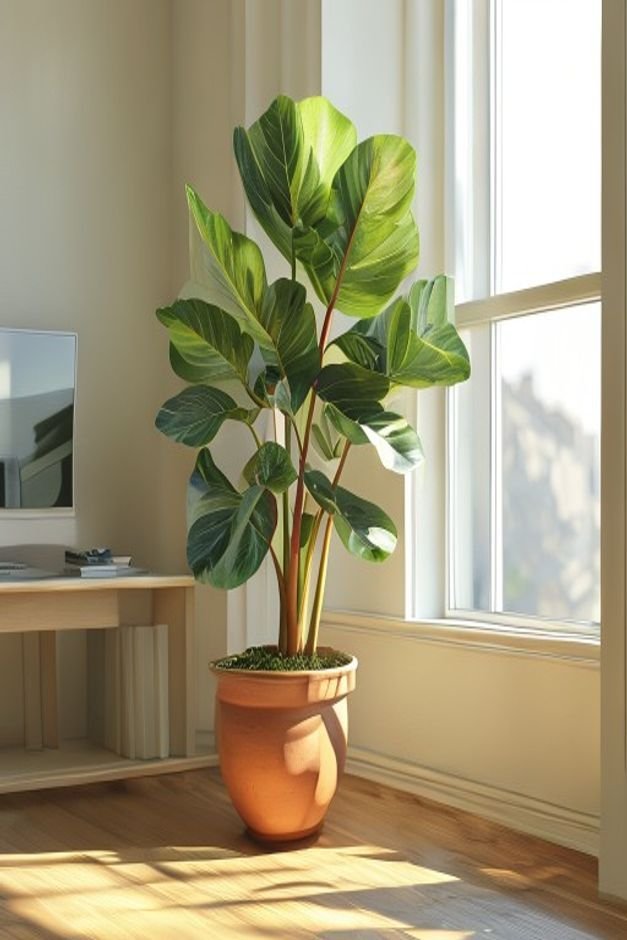
Introducing plants into your home is one of the simplest and most effective ways to make room decor look better. Greenery instantly adds life, freshness, and a touch of the natural world, softening hard lines and bringing organic shapes into a space.
Consider the scale of the plant relative to its container and the room. A large fiddle-leaf fig or an olive tree can anchor a corner, while smaller potted plants can add charm to shelves, windowsills, or coffee tables.
Don’t forget trailing plants, which can cascade gracefully from shelves or hanging planters.
Beyond their aesthetic appeal, plants also contribute to a healthier indoor environment. Choose plants that thrive in your home’s light conditions and that complement your existing decor. Even a single, well-placed plant can make a significant difference in how a room feels.
Thoughtful Rug Selection
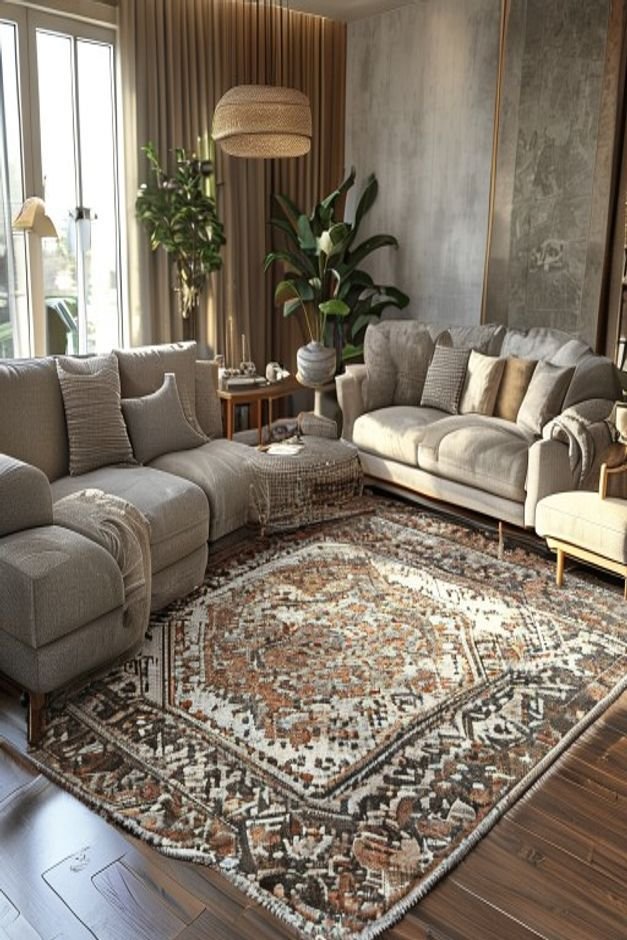
An area rug can completely transform a room, anchoring furniture, defining zones, and adding warmth, color, and texture. A common mistake is choosing a rug that is too small, which can make a room feel disjointed and unfinished.
In a living room, aim for a rug large enough for the front legs of all major seating pieces (sofa, armchairs) to rest on it. This creates a cohesive conversation area.
In a dining room, the rug should extend far enough beyond the chairs so that they remain on the rug even when pulled out from the table.
Consider the rug’s material and pattern. A bold pattern can serve as a focal point, while a neutral, textured rug can provide a quiet foundation for other decor elements. A well-chosen rug ties all your room decor together, creating a sense of completeness and intentionality.
Decluttering for Better Room Decor
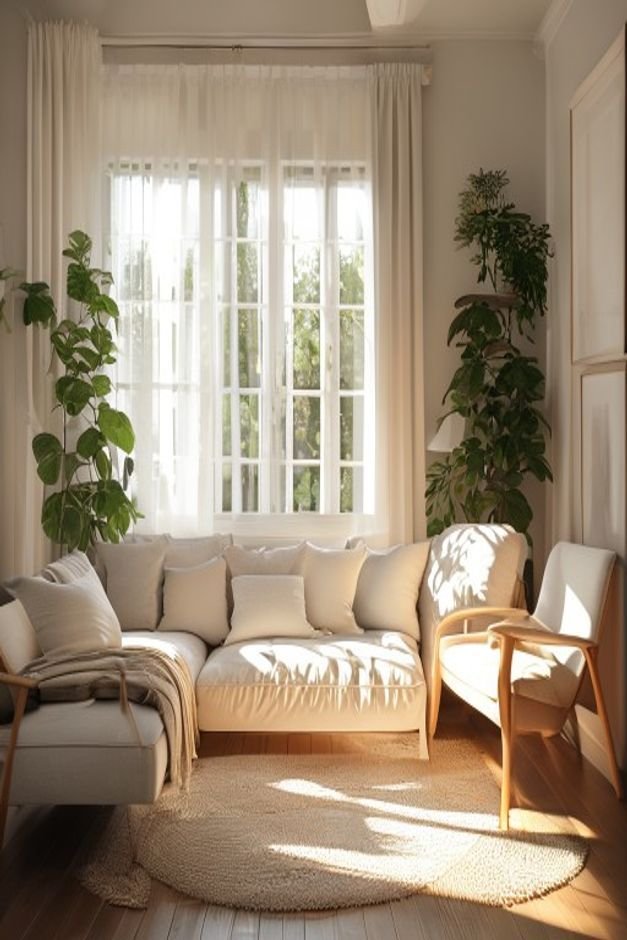
Sometimes, making room decor look better isn’t about adding more, but about paring back. Clutter, even if it’s a collection of beloved items, can create visual noise and make a space feel chaotic and overwhelming.
A clean, organized room allows individual pieces to stand out and be appreciated.
Take an honest look at your surfaces: coffee tables, shelves, countertops. Do you have items that are purely decorative, or are they functional and beautiful? Regularly edit your possessions, keeping only those that genuinely contribute to the aesthetic and feel of your home.
Storage solutions can help. Baskets, decorative boxes, and closed cabinetry can hide less attractive necessities, allowing your carefully chosen decorative items to shine. A less cluttered space feels more intentional, calm, and visually appealing, instantly improving the perception of your room decor.
Refining Your Space
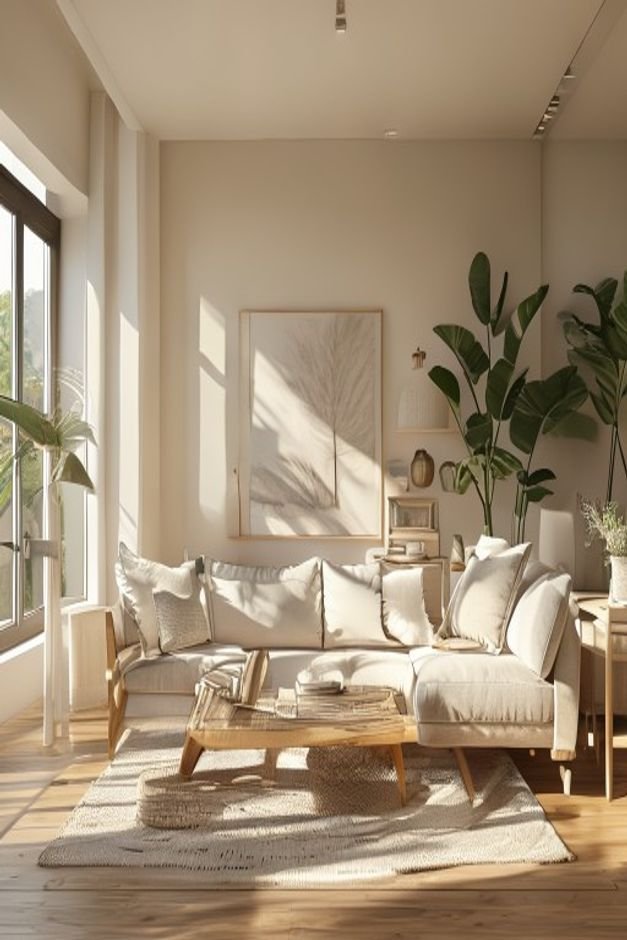
Making your room decor look better is an ongoing process of observation and adjustment. It’s about understanding how elements interact and creating harmony within your space.
By paying attention to details like scale, art placement, lighting, and the thoughtful arrangement of objects, you can elevate any room.
These simple principles are not rigid rules, but guidelines to help you see your home with a designer’s eye. Implement these ideas gradually, noticing the subtle shifts and improvements.
The result will be a home that not only looks good but feels authentically yours, a space where every piece of room decor contributes to a cohesive, inviting, and beautifully designed environment.
